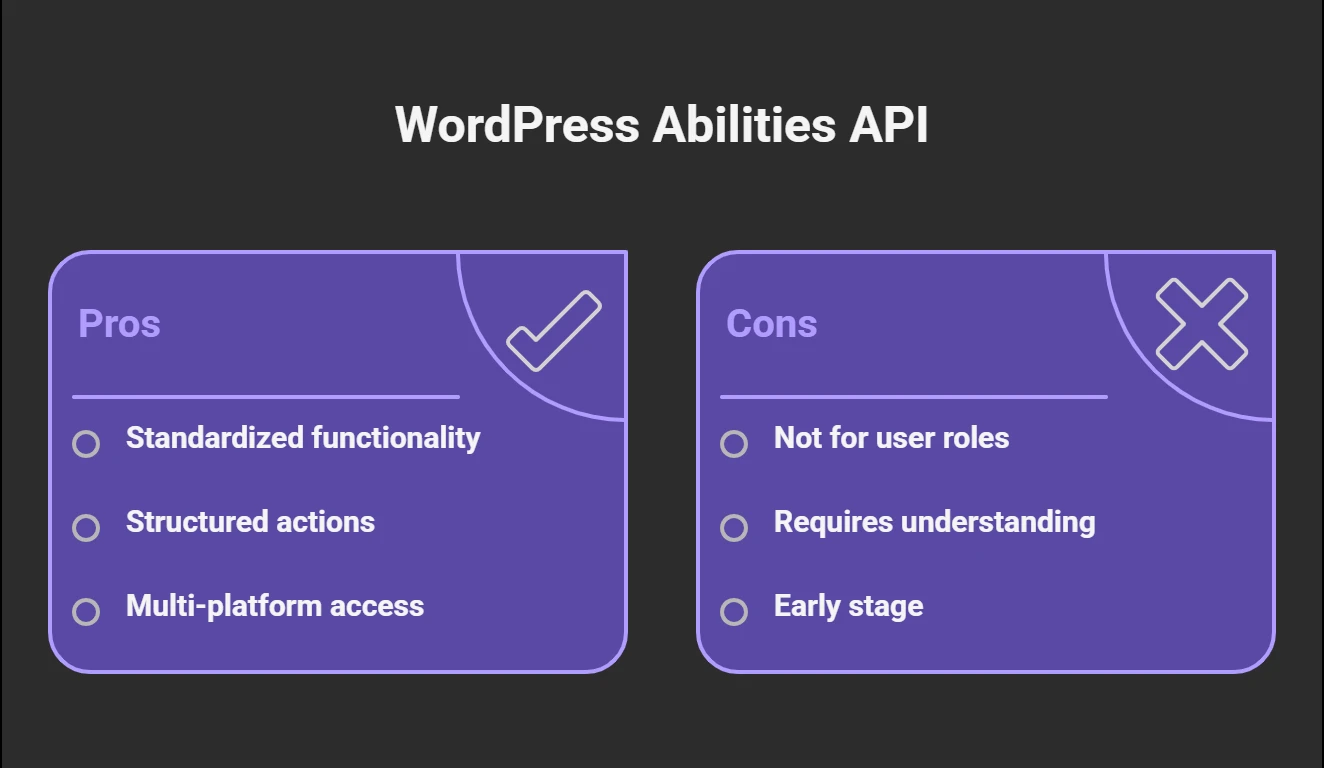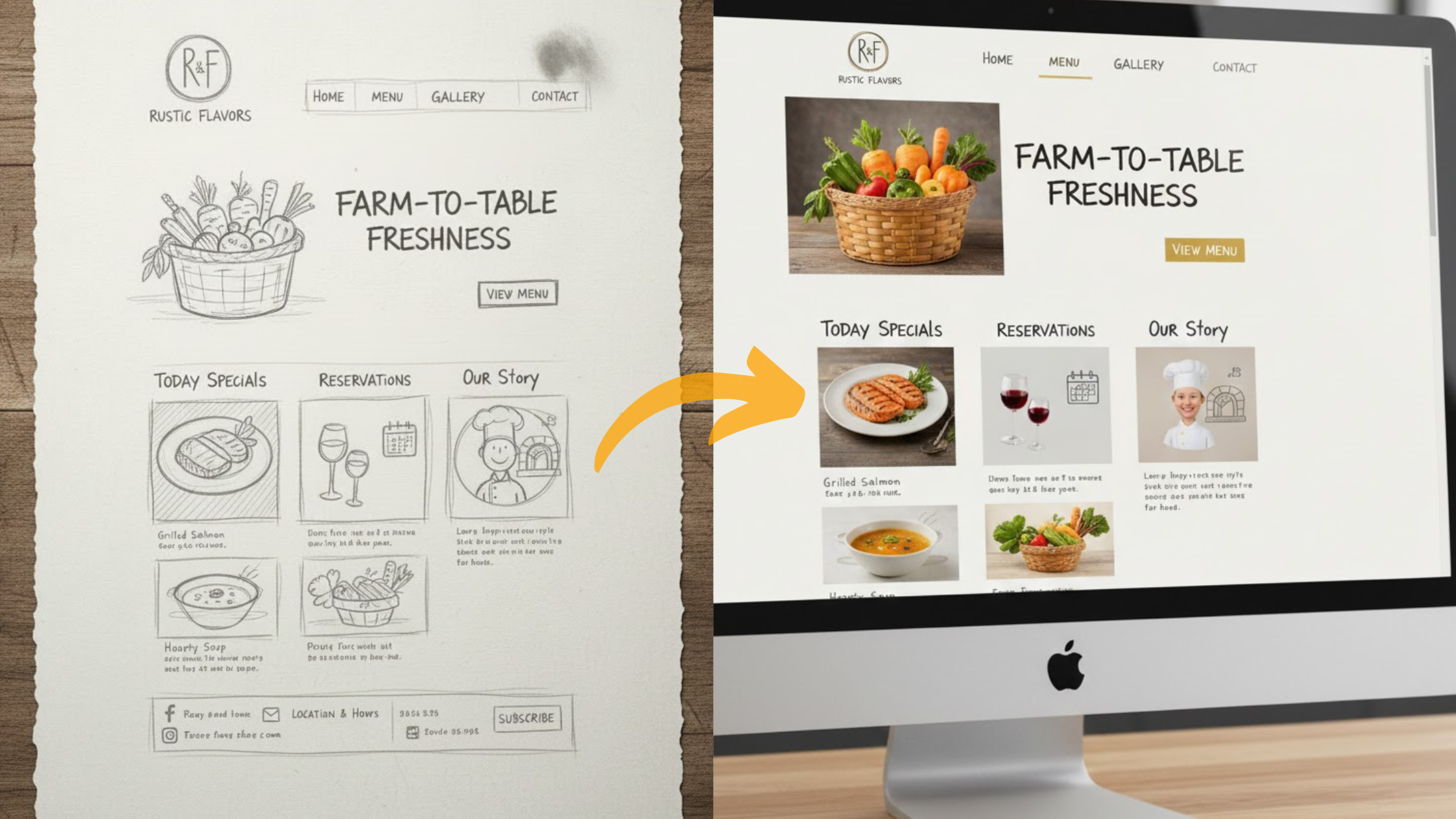

Getting your website online is exciting, but the first big choice is how to build it—should you use a website builder or code it yourself?
Before you launch, you need to decide which path works best for you. If you’re unsure, don’t worry. This article will break it down in the simplest way possible.
You’ll learn the key differences between builders and coding, the pros and cons of each, and how to choose the best option for your goals.
At Olitt, we know this decision can feel overwhelming. That’s why we created an AI-powered website builder that makes site creation fast and effortless—saving you both time and money.
Here’s what we’ll cover:
- The main differences between website builders and coding.
- Why builders are a great fit for most business owners.
- The pros and cons of each method.
- Who each approach works best for.
- Practical tips to help you choose wisely.
Let’s get started and get you started on building your website with confidence.
Website Builder vs Coding: What’s the Difference?

You want a website, but the path forward feels murky.
A website builder is a tool that lets you create sites without writing code. Think drag-and-drop interfaces where you pick templates, add text, and arrange images.
Tools like Olitt AI take it further. You answer a few questions, and AI generates a full site in minutes—complete with design, content ideas, and features like e-commerce.
Coding, on the other hand, means building from scratch. You use languages like HTML for structure, CSS for style, and JavaScript for interactivity.
It’s like constructing a house brick by brick. You might use frameworks such as React to speed things up, but it still requires typing commands.
The big gap in the website builder vs coding choice? Time and skills. Builders get you live in hours; coding can take weeks or months.
Builders often include hosting, domains, and SEO tools built-in. Coding demands separate setup for those.
Customization varies too. Builders limit you to their features, while coding gives endless options.
Costs differ as well. Builders charge monthly fees starting low, around $10-50. Coding might involve free tools but adds developer time.
Scalability matters. Simple sites thrive on builders; complex apps often need code.
Here’s a quick comparison:
| Aspect | Website Builder | Coding from Scratch |
| Ease of Use | Beginner-friendly, no tech needed | Requires learning languages |
| Time to Launch | Hours to days | Weeks to months |
| Cost | Subscription-based, affordable | Potential high dev costs |
| Customization | Good, but platform-limited | Unlimited |
| Maintenance | Automatic updates | Manual fixes required |
In the website builder vs coding debate, builders shine for quick starts. Coding fits when you need unique control.
Olitt AI bridges the gap with AI smarts, making advanced features accessible without code.
Over 73% of small businesses now have websites, many built with tools like these.
Pick based on your comfort level.
Why Website Builders Are Ideal for Most Business Owners
Running a business leaves little room for tech headaches.

That’s where website builders step in. They let you focus on growth, not code.
You get a professional site up fast, often in under an hour with AI help.
Olitt AI, for instance, asks about your business and builds a tailored site instantly. No guesswork.
This speed means you launch sooner and start selling or connecting with customers.
Builders handle the heavy lifting: hosting, security, and mobile optimization.
You avoid hiring expensive developers. Save that budget for marketing.
Around 32% of people have built sites before, mostly with builders for ease.
For small teams or solo owners, this accessibility changes everything.
Imagine tweaking your site on the fly without breaking it. Builders make that possible.
They include templates for industries like retail or services, pre-loaded with best practices.
AI versions like Olitt go beyond, suggesting content and designs based on trends.
In a world with over 200 million active websites, standing out shouldn’t be hard.
Builders level the playing field for non-tech folks.
You gain built-in tools for SEO, analytics, and e-commerce.
Our team at Olitt designed it this way because we know business owners need results, not complications.
If you’re bootstrapping or scaling small, builders deliver value without the steep learning curve of coding.
Pros and Cons of Using a Website Builder
Every tool has strengths and weaknesses.
In the website builder vs coding matchup, builders offer simplicity but come with trade-offs.
Let’s explore them clearly.
Benefits of Using a Website Builder
- Save time right away. Drag-and-drop means no coding classes needed.
- Costs stay low. Many start free or under $20 monthly, including hosting.
- Built-in features abound. SEO optimizers, contact forms, and analytics.
- AI adds speed. Olitt AI’s instant generation—describe your site, and it’s ready.
- Iterate quickly. Test designs and update content in minutes.
- Security updates happen automatically. Your site stays safe.
- Mobile responsiveness is standard. Looks great on phones.
- E-commerce setup is straightforward. Perfect for online stores.
Overall, you launch faster and focus on your business.
Downsides of Using a Website Builder
- Customization hits limits. You can’t tweak every pixel like in code.
- Platform dependency. If the platform changes, your site might too.
- Add-ons cost extra. Advanced features may raise fees.
- Scalability for massive traffic. Slower than custom code for huge sites.
- Learning the tool. Takes a bit, though less than coding.
- Designs can feel generic. Extra effort needed for uniqueness.
Still, for most, these downsides pale against the ease.
Website Builder: Best For
You run a small business or startup. Builders fit perfectly here.
- Beginners. No prior experience required.
- Bloggers and creators. Quick setups for sharing ideas.
- E-commerce starters. Build shops fast, add products easily.
- Non-profits or personal brands. Launch without big budgets.
Scenarios like MVP testing suit builders well. Get feedback rapidly.
Olitt AI excels in the Olitt AI market, offering AI-driven sites for quick wins.
If your needs are standard—landing pages, portfolios, or stores—choose this.
Avoid if you need hyper-custom apps; that’s coding territory.
Builders empower you to own your online presence simply.
Pros and Cons of Creating a Website with Coding
Coding gives you power, but it demands effort.

In website builder vs coding, this path suits those who want total control.
We’ll cover the good and the challenging.
Benefits of Coding Your Website
- Customize everything. Build unique features no builder offers.
- Scalability shines. Ideal for growing sites or apps.
- Own your code. No monthly fees after launch.
- Integrate any tool. Connect custom APIs seamlessly.
- Optimize performance. Speed and efficiency tailored to you.
- Learn valuable skills. Apply beyond one site.
- Avoid restrictions. Host anywhere you like.
Coding lets your vision come alive without limits.
Downsides of Coding Your Website
- Takes time. Weeks for even basic sites.
- Need skills. HTML, CSS, and more have steep learning curves.
- Costs rise. Tools, hosting, and potential hires add up.
- Maintenance is on you. Fix bugs, update security.
- Errors break sites. Can frustrate users.
- Mobile testing. Requires extra work.
- No templates. Start from zero.
For simple needs, it’s overkill compared to builders.
Coding: Best For
You have tech skills or a developer team. Coding matches here.
- Enterprises. Complex needs benefit most.
- Unique projects. Custom software or functionalities.
- Long-term ventures. Control trumps speed.
- Heavy data or integrations. Coding handles these well.
In website builder vs coding, choose code for bespoke solutions.
Avoid for quick launches—builders win there.
If scalability and ownership matter, this path delivers.
Olitt AI offers a middle ground with AI, but pure coding suits pros.
How to Choose Between Website Builder vs Coding
Start with your goals. What does your site need to do?
- Assess skills. Comfortable with code? Go that way.
- Budget counts. Builders often cost less upfront.
- Timeline pressures? Builders launch faster.
- Consider complexity. Simple blog? Builder. Custom app? Code.
- Future plans. Will you scale big? Coding might help.
Try this decision guide:
- List your must-have features.
- Check if builders like Olitt AI cover them.
- If not, explore coding options.
- Test free trials—Olitt AI lets you build instantly.
- Factor in maintenance time.
Most choose builders for ease. Olitt AI minimizes coding downsides with smart automation.
Check our guide on AI website tools for more tips.
Start small: Use a builder first, switch if needed.
This keeps things flexible.
Conclusion
You’ve learned all about the website builder vs coding.
Builders offer speed and simplicity for most. Coding provides depth for specifics.
For business owners, AI-powered builders like Olitt AI stand out—instant sites, no code, packed with features.
We at Olitt built it to solve real pain points, helping you go live fast.
Remember: 73% of small businesses succeed online with accessible tools.
Choose what fits your life.
Ready to try? Sign up for Olitt AI’s free trial today. Build your site in minutes and watch your business grow.