
Are you looking for a way to build websites instantly, without getting stuck in code, templates, or endless revisions?
You’re about to discover one of the most powerful tools reshaping the web industry today.
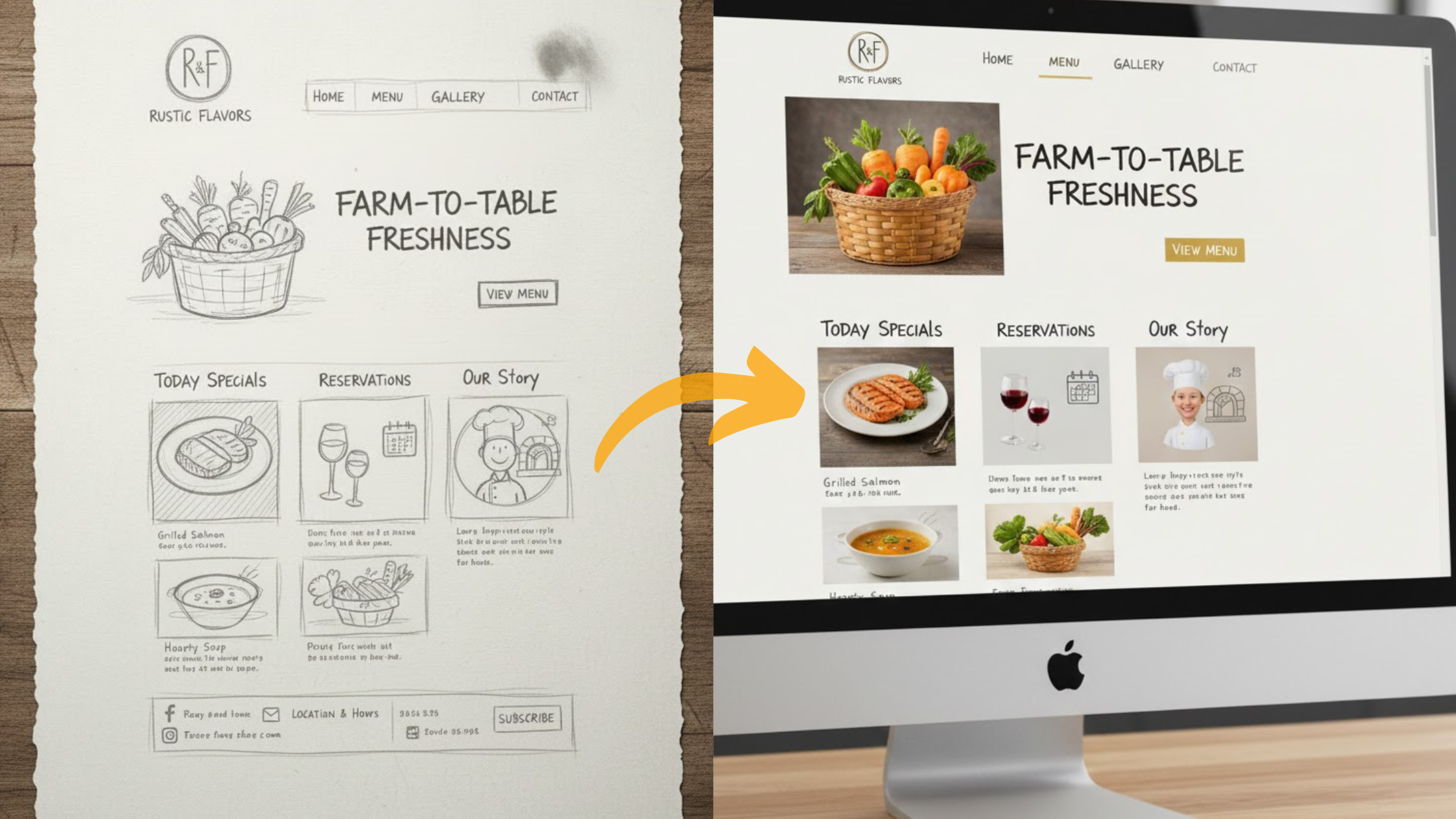
An AI website builder api gives you the ability to generate full websites automatically using simple instructions.
It designs, writes the content, and structures everything for you, so you can focus on launching, scaling, or serving your customers faster.
In this guide, you’ll learn exactly how these APIs work, why they matter, and how you can start using them to deliver more with less effort.
What Is an AI Website Builder API?
An AI website builder api is a smart technology that lets you generate complete websites automatically using AI, just by sending a request with a simple description.
Instead of designing pages or writing code yourself, the API does the heavy lifting.
You tell it what kind of website you want (like “a modern bakery website with online ordering”), and it returns a full layout with content, images, and structure already built.
Think of it as a bridge between your idea and a finished website.
Real-world examples include:
- 10Web’s API, which builds full WordPress sites from prompts, no plugins or manual setup needed.
- Google Gemini-powered APIs, used in platforms like Gemini webBuilder, which let you integrate AI site creation into your own apps or tools.
These APIs use machine learning to improve over time, meaning the more data they process, the better and more accurate the websites they generate.
The result? You get professional-looking websites built in minutes, without starting from scratch or writing a single line of code.
Benefits of Using an AI Website Builder API
Using an AI website builder api is about transforming how you work, scale, and deliver results.
Here are the top benefits:
1) Rapid Development
AI automates the design, layout, and content generation process. What used to take hours or days can now be done in a single API call.
This means you can go from concept to live site much faster than traditional development methods.
2) High Customization Without Complexity
You can shape the website to match any industry, style, or brand voice simply by adjusting your prompt or API parameters.
No need to edit code, just give the AI direction, and it adapts the websites to your needs.
3) Scalable for Agencies, Platforms, and SaaS
Whether you need to build one site or thousands, AI website builder APIs handle it effortlessly.
This makes them ideal for hosting companies, digital agencies, or entrepreneurs offering website creation as a service.
4) Significant Cost Savings
You reduce dependency on large development or design teams.
With AI doing the heavy lifting, you cut back on labor costs, software subscriptions, and long production timelines, while still delivering professional results.
5) Easy Integration Into Existing Tools
AI website builder APIs are built to plug into your current systems, apps, or dashboards.
You can integrate them easily with your platform and offer AI-powered website creation to users without building everything from scratch.
6) SEO-Optimized From the Start
Most APIs generate websites with proper meta tags, fast-loading layouts, mobile responsiveness, and keyword-focused content, helping your sites rank better on search engines without extra work.
7) Focus on Strategy, Not Technical Tasks
Instead of getting lost in coding or design decisions, you can focus on delivering value, like building a brand, improving customer experience, or growing your business.
The AI handles the details while you stay in control of the vision.
How to Use an AI Website Builder API (Step-by-Step Guide)
Using an AI website builder api may sound technical, but the process is straightforward when broken down. Here’s a walkthrough of how it works from start to finish:
1) Choose the Right API for Your Needs
Start by selecting an API that aligns with your goals. For example:
- Want to build WordPress sites? Choose an API like 10Web.
- Need deep customization? Look for APIs with flexible prompts and white-label features.
2) Create an Account and Get Your API Key
Once you’ve decided, sign up with the provider to access their dashboard.
You’ll be given an API key. This is like a password that allows your application to communicate securely with the AI service.
3) Configure Your Development Environment
You can use programming languages such as Python, JavaScript, or PHP, whichever your platform supports.
Most providers offer SDKs, code snippets, or setup instructions to get you started quickly.
4) Make Your First API Request
This is where the magic happens. You send a request containing:
- Website type (e.g., “portfolio site for a photographer”)
- Brand name and industry
- Pages you want (Home, About, Services, Contact, etc.)
- Tone or style (e.g., modern, professional, playful)
The API processes this prompt using AI and machine learning models.
5) Receive the Generated Website Output
The response usually includes:
- Fully generated HTML/CSS/JS code
- A live-hosted version ready to view
- A preview link or dashboard editor
Some APIs even return structured JSON data you can use to build the site in your own system.
6) Review, Test, and Customize
You can change the AI-generated website by editing text, changing images, or adjusting the layout.
Most APIs allow you to send additional parameters or follow-up requests to make changes instantly.
7) Publish Your Website
Once you’re satisfied, publish it directly through the API-hosted service or deploy it to your own hosting environment.
Many APIs allow one-click publishing or integration with domain and hosting platforms.
8) Follow Best Practices
- Secure your API key to protect your platform.
- Monitor usage to manage costs.
- Refer to the documentation for advanced features, webhooks, and error handling.
- Use community resources like support centers, developer forums, or Reddit if you get stuck.
The flow is simple:
Choose API → Send prompt → AI builds site → You refine → Publish.
How to Get Started with an AI Website Builder API (Simple Step-by-Step)
You don’t need to be a developer to understand this process. Here’s a simplified version of how it works:
1) Choose your API
Pick a platform that matches your needs.
2) Create an account
Sign up on the provider’s website to access your dashboard and get your API key. This key allows you to connect to the AI system securely.
3) Use a testing tool
Instead of writing code, you can use tools like Postman or the built-in API testers provided by the platform.
4) Send your request
Describe your website using simple inputs like:
- Business name
- Website type (e.g., “online store” or “portfolio”)
- Pages you want included
- Brand tone (modern, friendly, professional)
5) Receive your website
The API will automatically generate a complete website. It may provide:
- A preview link
- A downloadable site package
- An editor for further customization
6) Make final edits
Adjust text, images, or layout to match your brand. Most APIs allow follow-up requests to make instant changes.
7) Publish your site
You can either host it through the API provider or deploy it on your own platform.
That’s it, no traditional coding or manual setup needed. This simple workflow applies to almost all AI website builder APIs.
Top AI Website Builder APIs to Try
You have several options, but here are the top picks worth your attention.
1) 10Web AI Website Builder API

Designed for WordPress users, this API builds full websites from a single prompt. Ideal for agencies and developers looking to automate WordPress site creation.
2) Wegic.ai API

A simple and beginner-friendly option. It focuses on quick site creation without coding and is suitable for small projects or personal sites.
3) Google Gemini API
A flexible AI engine that powers custom web builders. Best if you want full control and have specific integration requirements.
Common Challenges and Helpful Tips
Using an AI website builder API is powerful, but you may face a few common hurdles:
- Request limits: Most APIs have usage caps. Start with a small plan to test before scaling.
- Security & privacy: Always choose providers with strong data protection.
- Learning curve: Expect some setup time. Tutorials and demos can help you get comfortable.
- Tech overwhelm: If coding isn’t your thing, choose a no-code API or builder.
Conclusion
AI website builder APIs are powerful tools for developers who want full control and automation at the code level. But if you prefer a faster, no-code route with the same AI capabilities, Olitt is your shortcut to results without the complexity.
With Olitt, you don’t need to integrate APIs or write scripts. Just describe your business, and the AI instantly designs a complete website, ready to launch in minutes.
Why build from scratch when Olitt can build for you? Try it now and get online faster than ever.