
You’re scrolling through your phone, looking for a place or service online.
You type a search, click the first result, and boom, the site loads fast, looks clean, and sticks in your mind.
That’s the power of a strong domain name. Without it, your site can go unnoticed. Visitors head straight to someone else.
If you’re running a small business, starting a blog, or exploring web design, you know the struggle.
You have ideas and plans, but picking the right domain feels like navigating busy streets: confusing, frustrating, and full of wrong turns.
One poor choice, and people forget your site or don’t trust it.
Here’s the good news. This guide will explain the types of domains and help you pick one that fits your brand, connects with your audience, and even improves your search ranking.
By the end, you’ll know how to:
- Learn the key parts of a domain
- Recognize the main types of domains and when to use them
- Pick a name that sticks and feels right
- Handle it if your first choice is taken
- Register it quickly, with simple payment options
- Keep it secure and connected to your website
Your online space is waiting. With the right domain, you can turn clicks into loyal visitors and ideas into a brand people remember.
The Anatomy of a Domain
Your domain is more than just letters; it’s the front door to your website.
A strong domain makes visitors feel welcome, while a confusing one can make them leave before they even explore.
A domain is like a full address for your online space. You’ve got the main name, the ending, and sometimes extra sections.
Get it right, and people find you easily. Get it wrong, and they get lost.
Here are the key pieces:
- Top-Level Domain (TLD): This is the part after the last dot, like .com or .org. It signals trust and purpose. In 2025, over 368 million domains are registered worldwide, and the right TLD can make your site look credible at first glance.
- Second-Level Domain (SLD): This is your custom name the part that shows your brand or identity. Keep it short, clear, and memorable. Too long, and visitors struggle to type or remember it.
- Subdomain: An optional prefix, like “blog” in blog.example.com. It’s like a side entrance, helping you separate content without buying a new domain.
For example, in example.com:
- “example” is the SLD, your brand in focus
- “.com” is the TLD, showing it’s a trusted site
- “www” or “blog” could be a subdomain, guiding visitors to specific sections
Why it’s important: A clear domain structure helps your site load faster, improves SEO, and keeps visitors happy.
For websites where mobile users dominate, this can mean the difference between a visit and a scroll away.
With the right setup, every visitor finds exactly what they need quickly and confidently.
Types of Top-Level Domains (TLDs)
Your TLD is more than just the ending of your web address. It sets the tone for your site.
Pick the right one, and your website feels trustworthy and professional. Pick the wrong one, and it can confuse visitors.
There are three main types of domains when it comes to TLDs: generic, country-specific, and sponsored. Each has its own purpose.
Generic TLDs (gTLDs)
These are the most common and open to anyone. They work for almost any type of website.
- .com: The most popular. It’s short, memorable, and trusted. Many big brands use it because people naturally type .com first.
- .net: Originally for networks, now used by tech or service websites.
- .org: Often used by nonprofits, but anyone can register it. It signals reliability.
- .info: Ideal for information-focused sites, like blogs or guides.
Newer options like .shop or .blog are great for niche websites.
A small online store could immediately show visitors “this is for shopping” with a .shop domain.
Country-Code TLDs (ccTLDs)
These two-letter endings represent specific countries. They work well if your audience is mainly local.
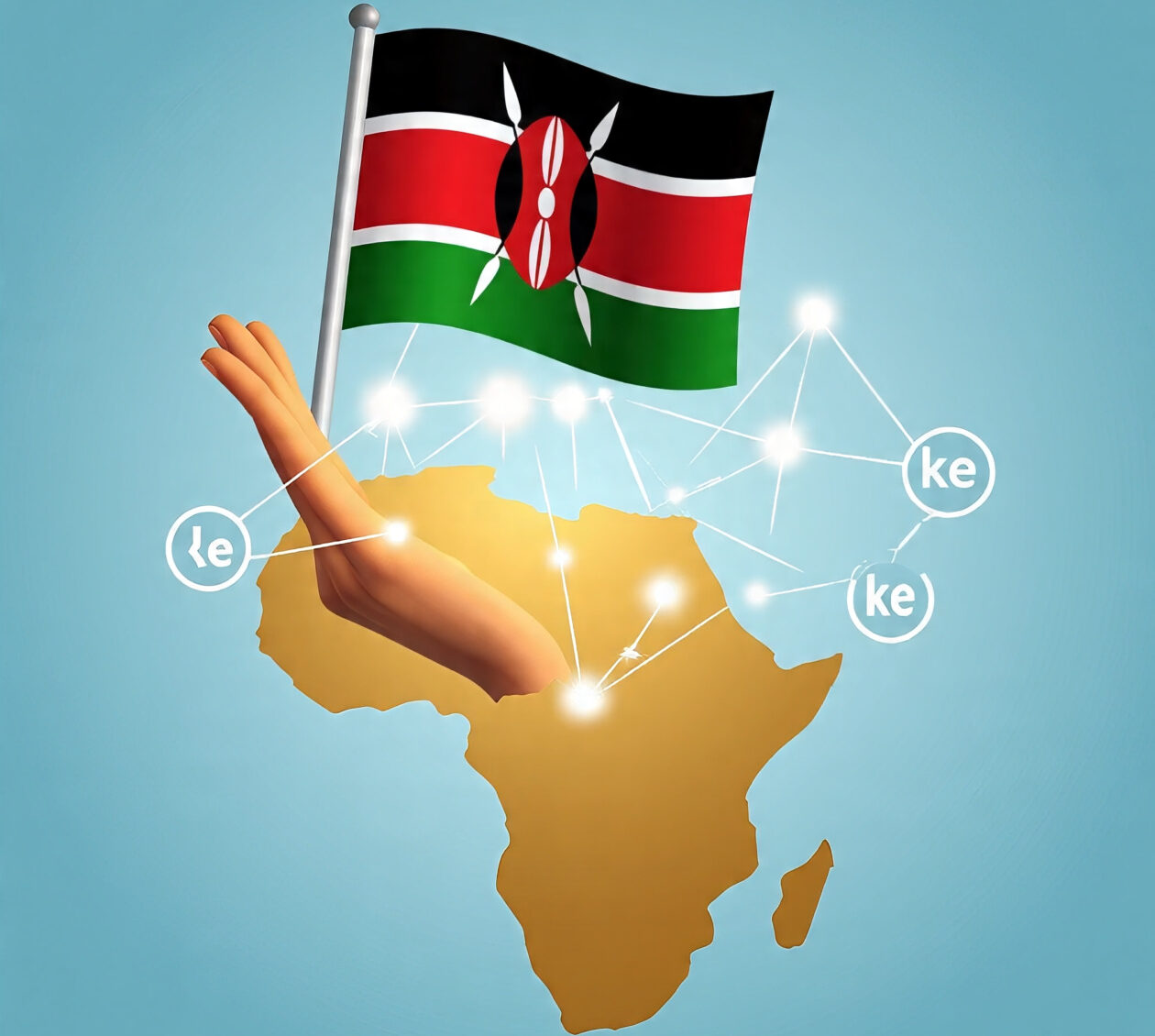
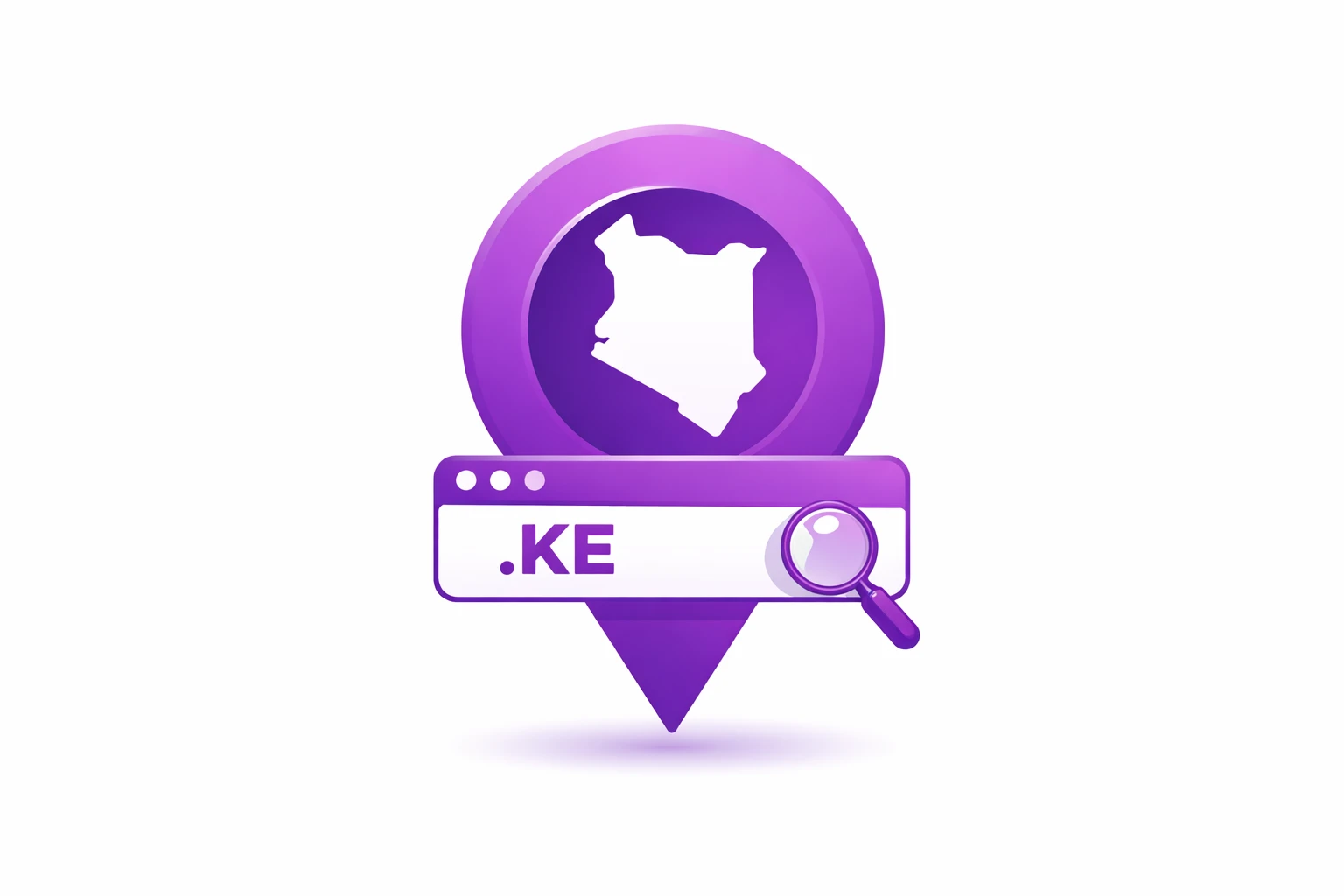
- .ke: For Kenyan websites, helps local visitors trust your site more.
- Other examples: .uk, .au, .de, which signal local presence in those countries.
Studies show ccTLDs can increase local traffic by up to 25% because search engines often favor websites with a local TLD.
Sponsored TLDs (sTLDs)
These are special-purpose domains with rules about who can register them.
- .gov: Reserved for government institutions
- .edu: For schools and universities
- .museum: For cultural organizations
Most people stick to gTLDs or ccTLDs unless they belong to a specific organization.
| TLD Type | Examples | Best For |
| gTLD | .com, .net, .org | Global sites, businesses |
| ccTLD | .ke, .uk, .au | Local audience, regional business |
| sTLD | .gov, .edu | Institutions or restricted sectors |
Matching your TLD to your audience and purpose makes your website feel professional and trustworthy from the first click.
Subdomains: Enhancing Your Domain Structure
Subdomains are like side doors to your website. They aren’t the main attraction, but they help you organize content without buying a new domain.
For example, if your website shares recipes, you could create a subdomain like recipes.example.com.
Visitors looking for food tips go straight there, while your main site stays uncluttered.
Common uses of subdomains include:
- Language versions: en.example.com for English, es.example.com for Spanish. Makes your site friendly for international visitors.
- Content sections: blog.example.com for articles, shop.example.com for products. Keeps everything organized.
- Testing or development: dev.example.com lets you experiment without affecting your live site.
Subdomains are free, scalable, and can even help SEO if linked smartly.
Just don’t overdo it too many subdomains can confuse visitors and search engines.
It like adding rooms to a house. Each room has a purpose, but the front door (your main domain) still guides people in.
With a well-structured domain and subdomains, visitors find what they need faster, and your website feels professional and organized.
Read also: Domain Appraisal Tools: Value Your Website Correctly
Choosing the Right Domain Name
Picking a domain name can feel like naming a new business it’s a big decision.
But it doesn’t have to be stressful. The goal is simple: choose a name that fits your brand, is easy to remember, and works well online.
Start with branding. Your domain should reflect your identity. Keep it short, clear, and easy to say.
A long, complicated name will confuse visitors. For example, getolitt.com is easy to remember, while xtrmlngthydmn.com is not.
Next, think about SEO. You don’t need to stuff keywords like “bestdomainforsmallbusiness.com.”
Instead, weave one natural term into your domain if it fits. Great content and a clear domain often outrank keyword-heavy names anyway.
Consider your audience. Are they casual readers, local customers, or professionals?
A fun, descriptive TLD like .blog works for casual sites. A .com signals professionalism. A local TLD like .ke adds trust for local visitors.
Here’s a simple way to brainstorm:
- Write 10 names related to your niche.
- Say them out loud do they sound good?
- Check for trademarks to avoid legal trouble.
- Use a domain search tool to check availability.
Remember: Avoid hyphens, numbers, and confusing spellings. Even a small typo can cost visitors.
Many successful brands shortened or simplified their names to make them memorable like Airbnb did from “Air Bed and Breakfast.”
By combining a strong name with the right TLD, your domain becomes a clear, trustworthy address for your website.
Keyword Research and SEO Considerations for Domain Names
Choosing a domain isn’t just about a catchy name, it’s also about making sure people can find your site online.
Keyword research helps you pick a domain that reflects your content and improves your chances of ranking higher in search engines, without sacrificing brandability.
1) Why Use Keywords in Domains
Including relevant keywords in your domain can help your site appear in search results when users search for topics related to your business.
For example, if your website focuses on organic foods, a domain like organicmarketplace.com could perform better in searches for organic products than a generic name that doesn’t include keywords.
2) Balancing Keywords and Branding
Keywords are helpful, but don’t overload your domain. Too many keywords can make your domain look spammy or hard to remember.
- Brandability: Pick a domain that’s easy to remember and catchy, like
OrganicRoots.cominstead ofBestOrganicFoodMarketplace.com. - Avoid Keyword Stuffing: Keep it natural. One relevant keyword is enough your content will do the rest for SEO.
3) Tools to Help with Keyword Research
Several tools make it easier to find the right keywords for your domain:
- Google Keyword Planner: Free and shows search volume and competition for keywords.
- SEMrush: Provides detailed keyword analysis and insights into what your competitors are doing.
- Moz Keyword Explorer: Helps prioritize keywords based on difficulty and potential traffic.
4) Using Long-Tail Keywords
Long-tail keywords are more specific phrases people use when they’re ready to buy or searching for something niche.
Incorporating them into your domain can attract a more targeted audience.
Example: Instead of bicycles.com, a domain like mountainbikesforsale.com can draw visitors looking for that exact product.
5) Analyze Competition and Keyword Difficulty
Before finalizing your domain, check how competitive your keywords are. Highly competitive keywords may be hard to rank for, so finding a balance is key.
- Keyword Difficulty: Tools like SEMrush or Moz can show how hard it is to rank for a keyword.
- Competitor Analysis: Look at your competitors’ domains and see what keywords they’re using.
6) Local SEO and Geo-Targeted Keywords
If your business targets a specific region, including location-based keywords can help you rank higher locally.
Example: NYCCoffeeRoasters.com will likely appear higher in searches for coffee roasters in New York City.
- Geo-Targeted Keywords: Include the city or region in your domain for local searches.
- Localized TLDs: Consider country-specific TLDs like
.kefor Kenya or even city-specific ones if available, to boost local SEO.
By combining keywords thoughtfully with a memorable brand name, your domain can help attract the right audience and give your site an SEO advantage from day one.
What to Do If Your Ideal Domain Is Taken
Seeing “domain unavailable” can sting. Your perfect name might be gone, but it doesn’t mean your plans are over.
There are ways to pivot and still find a great fit.
Try a different TLD
If example.com is taken, check example.net or a local option like example.ke. This keeps your brand but opens new possibilities.
Make small tweaks
Add a word that fits your brand or location, like examplehub.com or examplecity.com. These changes can improve local SEO and keep your name memorable.
Hyphens are a last resort
For example, example-shop.com works, but people might mistype it. Avoid numbers if possible, too.
Consider buying it
Sometimes, the domain is owned but available for purchase through marketplaces. A polite email or auction site can get you your dream domain many startups have done this successfully.
Check for alternatives fast
Tools that show multiple options at once save time and help you see creative ideas you might not have thought of.
The key: stay flexible, focus on your brand, and don’t settle for something confusing. With a little creativity, you can find a domain that works even better than your first choice.
Pricing, Registration Process, and Additional Services
Getting a domain doesn’t have to break the bank, but prices vary depending on the type and popularity of the name.
- Generic domains (.com, .net, .org): Usually $10–20 per year.
- Local domains (.ke, .co.ke): Often $15–20 for the first year, with small discounts for longer registration.
- Premium domains: Short, memorable, or keyword-rich names can cost hundreds or even thousands.
Extra costs can come from privacy protection (keeping your personal info hidden), bundles with hosting or email, or purchasing a domain someone already owns.
Registering a domain is quick, especially with Olitt.com:
- Go to Olitt.com and select Domain from the menu.

- Click Register Domains to go to the page where you can search for your ideal name.

- Type your desired domain and see if it’s available

- Click Register Now, then Continue to Cart.

- Check out and choose a plan that fits your needs from Starter for small sites to Business for bigger projects.

A few tips:
- Longer registration can save money in the long run.
- Privacy protection is worth it to avoid spam.
- Pick a plan that matches your business goals so you get hosting, email, and support if needed.
With Olitt, your domain can be ready in minutes, giving you a smooth start without technical headaches.
Connecting Your Domain to Your Website
Once your domain is registered, the next step is connecting it to your website. This is how people typing your domain actually see your content.
Domains work like addresses, and your website lives on a server. To link the two, you use DNS settings, which tell the internet where to find your site.
The main records you need:
- A Record: Points your domain to your website’s server IP. This is the core connection.
- MX Record: Handles email routing, so messages like
[email protected]reach your inbox. - CNAME: Creates shortcuts or aliases, like redirecting
www.example.comtoexample.com.
With Olitt, connecting your domain is easy. Their dashboard lets you set all records with a few clicks, and the changes usually take 24–48 hours to fully propagate.
Tips to avoid problems:
- Double-check the IP address when setting up an A record to prevent “site not found” errors.
- Keep emails linked properly to avoid losing messages.
- Avoid too many CNAMEs they can confuse visitors and slow things down.
Once connected, your domain becomes the full address of your website. Visitors can type it, click links, or find you on search engines without issues.
Read also: Can Businesses Use a .Org Domain
Advanced Domain Topics
Once your domain is set up, there are ways to make it even more powerful and secure.
Premium domains are short, memorable, or keyword-rich names that are already owned but can be purchased.
They cost more, sometimes hundreds or thousands, but they can boost credibility, traffic, and search engine visibility.
Always check their history to avoid sites with spam in the past.
Renewals are important. Most domains need yearly renewal. Set up automatic renewal to avoid losing your domain.
If you miss it, there’s usually a short grace period at a lower cost, but after that, fees can get steep.
Security is Important. Lock your domain to prevent unauthorized transfers, and enable two-factor authentication (2FA) on your account.
Watch out for phishing emails claiming there’s an issue with your domain. Never click suspicious links.
These steps help you protect your investment and make the most of any of the types of domains you’ve chosen.
A well-maintained domain grows in value, strengthens your brand, and keeps visitors coming back.
Read also: Best .Org Domain Registrars
Conclusion
Choosing the right domain is one of the most important steps for your website.
Remember:
- Short, simple, and memorable names stick in people’s minds.
- Pick a trusted TLD .com works globally, while .ke builds local trust.
- Avoid hyphens, numbers, or anything that confuses visitors.
- Protect your domain with renewals and security measures so it always stays yours.
A strong domain sets the stage for everything else: your content, your brand, and your online presence. Don’t wait for the perfect name to slip away.
With Olitt, getting started is quick and easy. Search your name, pick a plan from Starter to Business and register in minutes.