
So you’re ready to get your restaurant online. Great! But here’s where things get confusing fast.
Restaurant website hosting might seem straightforward until you start comparing plans. One provider quotes $2.95/month. Another wants $45/month. A third is “free” but with hidden fees everywhere.
Here’s the truth: most restaurant owners overpay for features they’ll never use. Meanwhile, they skip the stuff that actually matters: like speed and security.
This guide cuts through the noise. You’ll learn exactly what hosting features your restaurant needs. Whether you’re in New York, London, or Sydney, these principles apply globally.
Why Restaurant Website Hosting Is Different
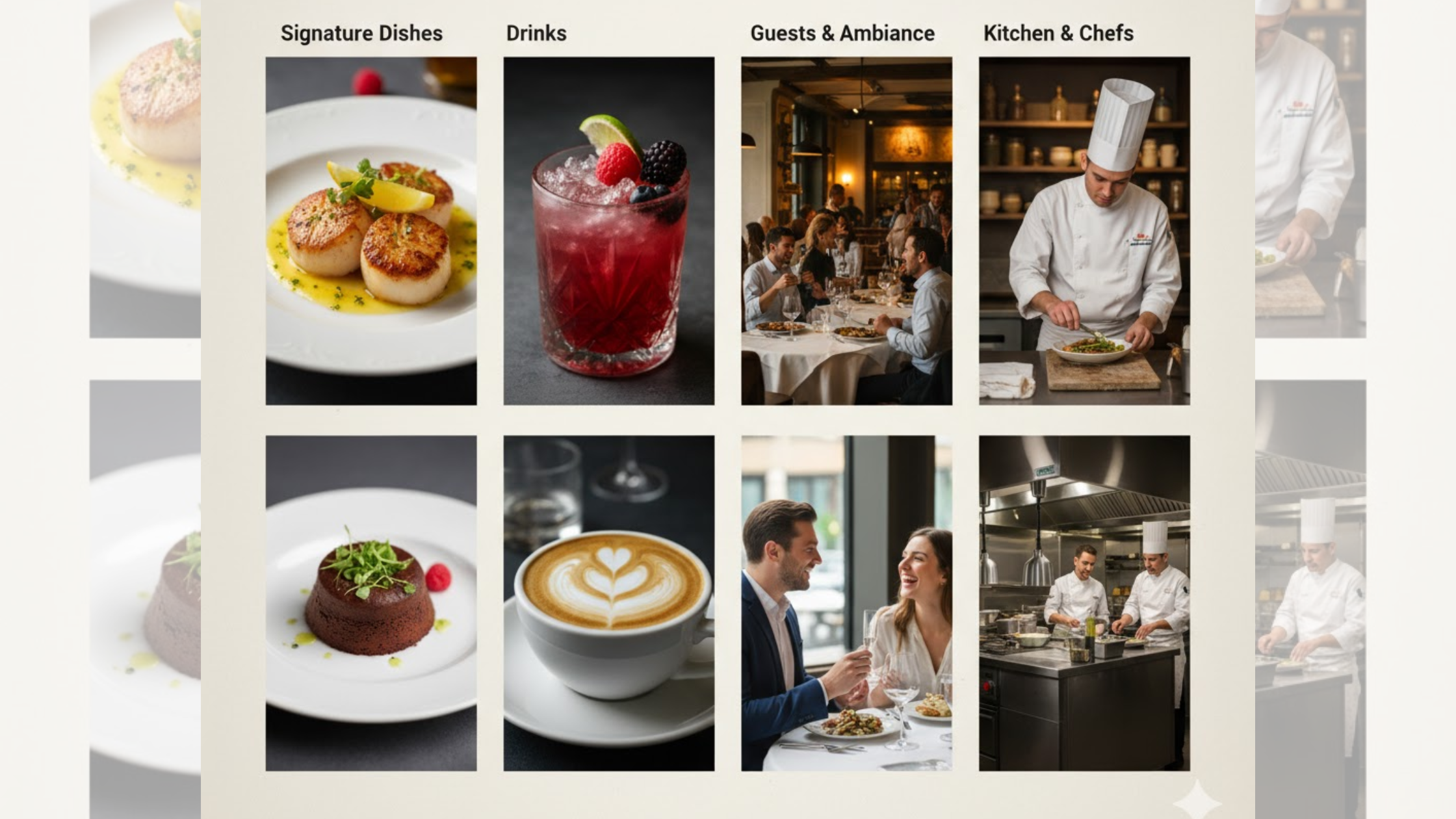
Your menu isn’t just text on a page. It’s high-resolution art that sells.
Think about it. When someone’s deciding where to eat, they’re not reading descriptions. They’re looking at photos of your food, imagining the taste, the texture, the experience.
Those gorgeous food shots? They’re 3-5MB each. Multiply that by 50 menu items, add ambiance photos, and you’ve got serious storage needs.
Generic hosting plans aren’t built for this. They’re optimized for text-heavy blogs or simple business sites.
Peak Hours Can Make or Break You
Here’s something most hosting companies don’t tell you. Restaurant websites experience traffic differently than other businesses.
Your site gets hammered during specific windows. Lunch rush hits between 11am and 2pm. Dinner orders pour in from 5pm to 9pm.
Budget hosting plans? They throttle or crash during these peaks.
One Friday night outage could mean 100 lost orders. At $30 per order, that’s $3,000 gone. Not because your food isn’t good but because your hosting couldn’t handle the load.
Mobile Users Run Your Business Now
Listen, 89% of restaurant searches happen on phones. People aren’t sitting at desks researching dinner options anymore.
They’re walking down the street, hungry, searching “restaurants near me.” Your site needs to load in under 3 seconds on mobile or they’re gone.
Google knows this too. Their mobile-first indexing means your site’s mobile performance directly impacts your search rankings globally.
Slow mobile site = invisible on Google = no customers.
The 9 Essential Features You Need
Let’s get specific. These aren’t optional upgrades. They’re non-negotiable for any restaurant website in 2025.
1) Fast Loading Speed

Google says 53% of mobile users abandon sites that take over 3 seconds. Every extra second? You lose 7% of potential conversions.
Page speed is a ranking factor. Slower sites rank lower, period.
What you need:
- SSD storage (not old HDD drives)
- Built-in CDN (Content Delivery Network)
- GZIP compression
- HTTP/2 support
Traditional hosting charges separately for these. You’re looking at $360-600 yearly just for speed features.
Olitt includes all of this free with every plan. Global CDN network, SSD storage, GZIP compression all standard. Sites typically load in 1.8-2.5 seconds worldwide.
No extra fees. No complicated setup.
2) Free SSL Certificate

You can’t process payments without SSL encryption. Full stop.
Google Chrome shows “Not Secure” warnings on non-HTTPS sites. That kills trust instantly. Your conversion rate drops 80% when customers see that warning.
Plus, Google penalizes non-HTTPS sites in search rankings. No SSL = no visibility = no customers.
Most providers charge $50-150 yearly for SSL certificates. They treat security like a premium upgrade.
That’s backwards. Security should be standard, especially for restaurants handling customer payments globally.
3) 99.9% Uptime Guarantee

Here’s the math that matters. 99.9% uptime means only 8.76 hours of downtime per year.
One hour of downtime during Friday dinner rush? That’s 20-30 lost orders. At $40 average order value, you just lost $800-1,200.
From one hour.
Customers don’t retry failed orders. They call your competitor. You lose the sale and the relationship.
Look for explicit uptime guarantees in service agreements. Not vague promises, actual guarantees with compensation policies.
4) Global Content Delivery Network

A CDN stores copies of your site on servers worldwide. When someone visits, they get content from the nearest server.
Without CDN:
- Tokyo customer accessing New York server = 6 second load
- London tourist viewing LA restaurant = 5 second load
With CDN:
- Everyone gets 1.5-2.5 second load times
Standalone CDN services cost $10-50 monthly. That’s $120-600 yearly added to your hosting bill.
Or you could use a platform that includes CDN by default.
5) Mobile-Responsive Framework

Google’s mobile-first indexing judges your site by its mobile version. Desktop doesn’t matter as much anymore.
Mobile users convert twice as fast as desktop users. But only if your site works smoothly on phones.
You need:
- Responsive CSS that adapts to any screen size
- Touch-friendly buttons (not tiny links)
- Fast mobile loading
- Readable text without zooming
This isn’t optional for global reach. Different countries have different mobile usage rates but they’re all high.
6) Adequate Storage
Let’s break down what you’re actually storing:
| Content Type | Size |
|---|---|
| 50-100 menu photos (high-res) | 100-300MB |
| 20-40 ambiance photos | 50-150MB |
| Logo and branding | 10-20MB |
| Seasonal updates | 20-50MB |
| Video content (if used) | 1-5GB |
You need 10-20GB total. “Unlimited storage” claims are marketing—you’ll never use 100GB+.
Don’t overpay for capacity you don’t need.
7) Simple Content Management
Your menu prices change weekly. Sometimes daily. Special promotions need quick updates.
You can’t wait for a developer every time. That’s slow and expensive.
You need ai editing or manual controls. Zero coding knowledge required.
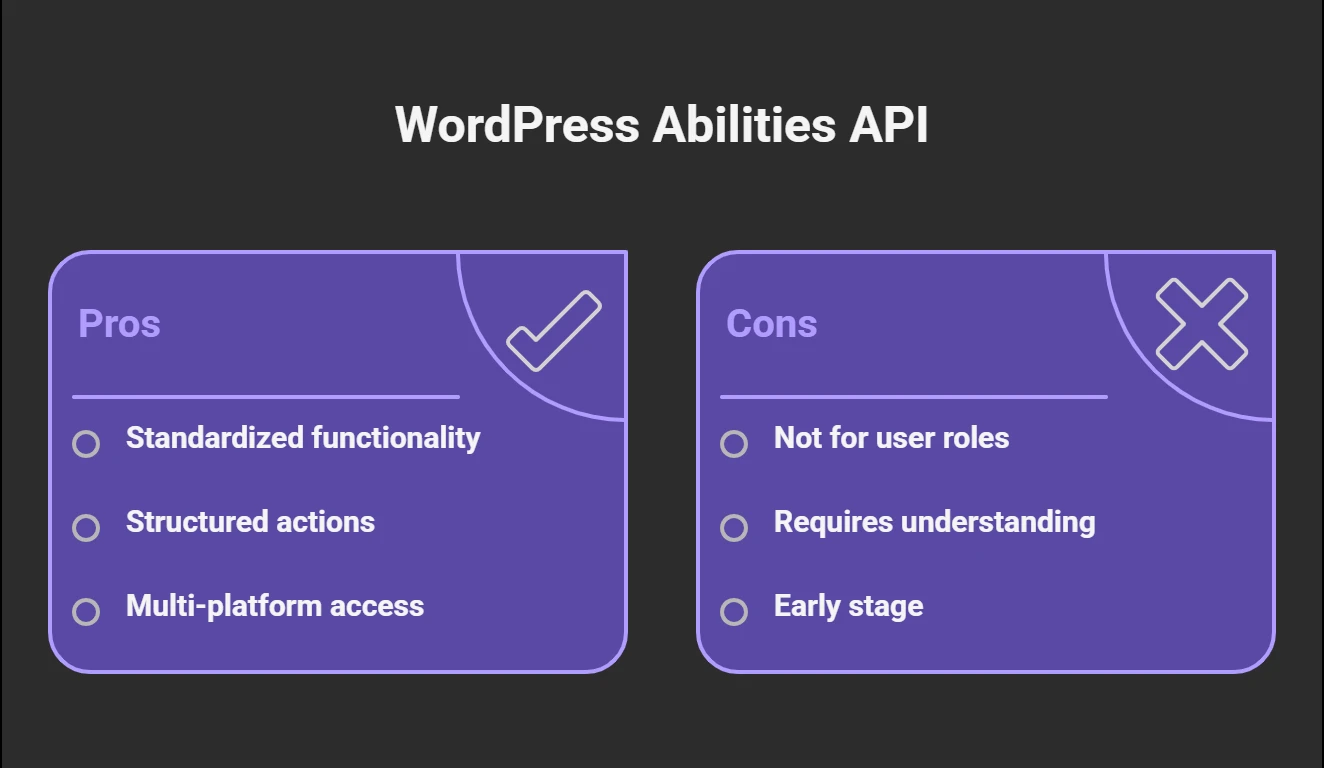
WordPress sites get complicated fast. Plugins conflict. Security vulnerabilities pop up. Constant updates break things.
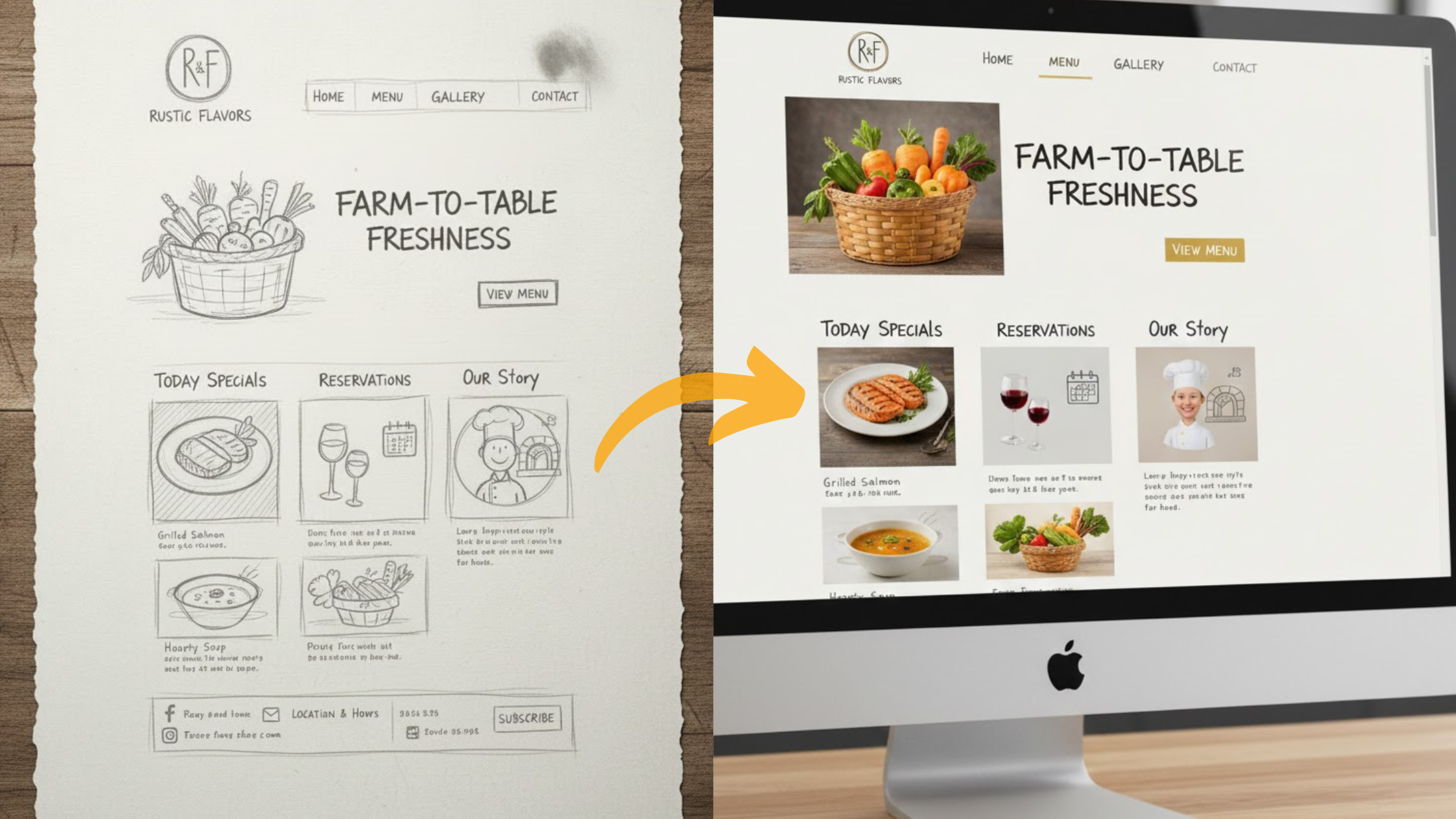
Try Olitt’s ai website builder instead. Update menus in 2-3 minutes, not 30+ minutes. No plugins, no security headaches, no technical knowledge needed.
8) Compatible SEO Tools

Local restaurants need local SEO. That means:
- Custom meta titles and descriptions
- Image alt text for every photo
- Clean URL structures (/menu, not /page?id=123)
- Schema markup for rich snippets
- Google Analytics integration
Server location matters for local search too. But with proper CDN setup, you can serve fast loading times globally while maintaining strong local presence.
Traditional hosting requires plugins for all this. Plugins slow your site and create security risks.
Better option? Platform with SEO tools built in.
9) Easy Domain Management
Traditional setup means juggling multiple accounts:
- Buy domain from GoDaddy
- Buy hosting from Bluehost
- Configure DNS settings (confusing technical process)
- Manage two logins
- Pay markup prices on renewals
That’s unnecessarily complicated.
You want one dashboard for everything on Olitt. Register domains at cost (no markup). Simple DNS management. Automatic renewals.
Critical Features for Online Ordering
If you’re taking orders directly, you need proper payment infrastructure.
Payment Gateway Integration
Stripe and PayPal are standard. Your hosting needs ready-made integrations—not custom coding projects.
You need PCI compliance for secure payment handling. SSL certificate (already covered). Simple setup process.
Third-party delivery apps take 20-30% of every order. Process payments yourself and keep that money.
Olitt.com includes pre-built Stripe and PayPal integrations. No developer required. Start accepting payments in minutes.
Third-Party Platform Integration
Your site needs to connect with:
- Social media (Facebook, Instagram)
- Email marketing (MailChimp for loyalty campaigns)
- Live chat (Tawk.to for reservation questions)
- Analytics (Google Analytics, Facebook Pixel)
Traditional hosting? Each integration requires plugins, API keys, and technical troubleshooting.
All-in-one platforms? Twenty-plus integrations ready to go. Just paste one code and you’re done.
What You DON’T Need
Hosting companies profit from confusion. They bundle impressive-sounding features you’ll never touch.
I) Unlimited Bandwidth Claims
Marketing loves the word “unlimited.” Unlimited bandwidth! Unlimited storage! Unlimited everything!
Reality check: average restaurant websites use 50-200GB bandwidth monthly. Most use under 10GB storage.
Unlimited plans have hidden fair use policies. Heavy users get throttled anyway.
You’re paying for capacity you’ll never approach. Skip it.
II) Advanced Developer Tools
cPanel, SSH access, FTP, database management—these are for developers and IT professionals.
99% of restaurant owners will never use these tools. Not once.
You’re paying $5-10 monthly extra for features that sit unused. Meanwhile, you probably can’t even figure out how to access them.
Managed platforms eliminate this confusion. All technical stuff happens automatically in the background.
III) Excessive Email Accounts
Hosting plans brag about “100 email accounts included!”
You need maybe 5-8 addresses max:
Better move? Use Google Workspace ($6/user/month) for professional email. You get better spam filtering, more storage, calendar integration, and superior mobile apps.
Don’t pay extra for 50+ email accounts you’ll never create.
IV) Multiple Website Builder Options
Choose from 400+ website builders! WordPress, Joomla, Drupal, Magento…
This creates decision paralysis. Each builder has different learning curves. Most are completely wrong for restaurants.
You need one focused, optimizable ai website builder (Olitt). Not 400 confusing choices.
The All-in-One Solution
Traditional hosting means assembling puzzle pieces from different providers. Time-consuming. Expensive. Complicated.
All-in-one platforms bundle everything you need into one simple package.
Everything Included in One Place
Here’s what separates good hosting from great hosting:
Complete Package:
- AI Website Builder
- Domain
- Email Hosting
- Web hosting
- SSL certificates
- Global CDN network
- Domain management (zero markup)
- Payment integration (Stripe, PayPal)
- SEO tools built-in
- Analytics integration
- Email marketing connections
- Live chat integration
Traditional cost if purchased separately:
- Web hosting: $120-240/year
- SSL certificate: $50-100/year
- CDN service: $240-600/year
- Website builder: $180-360/year
- Total: $590-1,300+ yearly
All-in-one platform cost: $19-199/year including everything.
Savings: $440-1,150 annually. That’s real money staying in your pocket.

Built for Non-Technical Owners
You’re a restaurant owner, not a web developer. Your expertise is food, service, ambiance and not code.
All-in-one platforms respect that. Visual editing. Instant previews. Mobile testing with one click.
Update your own content anytime. No developer dependency. No $150/hour consulting fees for small changes.
Traditional WordPress sites? They start simple but get complicated fast. Plugins conflict. Security patches need constant attention. Updates break functionality.
Managed platforms handle all technical aspects automatically. You focus on running your restaurant.
Optimized Speed
Performance features should come standard:
- Built-in global CDN
- GZIP compression enabled automatically
- Clean, efficient code
- HTTP/2 support
- Optimal browser caching
Average load time: 1.8-2.5 seconds globally. Google PageSpeed scores: 75-90+ (good to excellent range).
WordPress sites start fast but slow down as you add plugins. Each plugin adds code. Performance degrades over time.
All-in-one platforms maintain speed automatically. No optimization work required.
Common Mistakes That Cost You Money
Learn from other restaurant owners’ expensive errors.
Choosing Based on Price Alone
$2.95/month hosting! That’s only $35/year!
Sounds great until renewal. Year two jumps to $12.95/month ($155/year). SSL costs extra $89/year. CDN adds $240/year. Website builder adds $180/year.
Real year-two cost: $664/year.
Plus slow loading times lose customers. Poor uptime causes lost orders.
Calculate three-year total cost. Read renewal pricing carefully. Check recent customer reviews about actual performance.
Ignoring Mobile Performance
My website looks great on my computer!
Great. But 78% of customers view on mobile devices. Google ranks based on mobile version now.
Five-second mobile load time? 90% bounce rate. Non-responsive design? Frustrated customers who can’t read menus.
Test mobile performance before launching. Use Google PageSpeed Insights. View your site on actual smartphones, both iPhone and Android.
Ensure phone numbers are clickable (tap-to-call). Check that all buttons work easily on touchscreens.
Skipping Regular Backups
Nothing will happen to my site.
Famous last words.
Server failures happen. Hackers target small businesses. Accidental deletions occur. Plugin conflicts break entire sites.
Website goes down Friday morning before lunch rush. No backup to restore. You lose three days of online orders while rebuilding.
Cost: $5,000-15,000 in lost revenue. All because you skipped backups.
Enable automatic daily backups immediately. Test backup restoration quarterly. Keep at least one offsite copy.
Overcomplicating with Plugins
I’ll add this plugin for SEO, this one for speed, this one for security…
Each plugin adds code that slows your site. Plugins conflict with each other. Outdated plugins create security vulnerabilities.
More plugins equal more maintenance, more updates, more problems.
Restaurant starts with fast WordPress site. Adds 15 plugins. Six months later, site loads in 8 seconds. Google rankings drop. Customers bounce.
Better approach? Platform with features built-in. No plugins needed. Speed maintained automatically.
Making the Smart Choice
Restaurant website hosting doesn’t need to be complicated or expensive.
You need speed, security, mobile optimization, and payment integration. Not technical complexity. Not “unlimited” features you’ll never use.
All-in-one platforms bundle essentials restaurants actually need. Hosting, SSL, CDN, domain management, website builder, payment processing all working together seamlessly.
Launch in under an hour instead of waiting weeks. Save $400-1,000+ annually compared to piecing together separate services.
Your restaurant website should work like your best dish. Quality ingredients, perfectly combined, served fast. No unnecessary complications.
Stop overpaying for features that don’t help your business. Focus on solutions that let you run your restaurant, not manage technology.
For restaurants globally, the hosting game has changed. Platforms designed specifically for your needs now exist. They’re faster, simpler, and dramatically more affordable than traditional options.
The question isn’t whether you need professional hosting. You absolutely do.
The question is whether you want to overpay for complexity or invest smartly in simplicity.
Choose wisely. Your customers, and your bank account, will thank you.