
Since everyone wants to grab attention, restaurant website design ideas are evolving so fast that if you don’t keep up, you’ll be outdated overnight.
And the idea is to keep it the busy online dinner that it should be, coz when online is busy, the physical restaurant is busy too and that means more sales.
That’s definitely good for business.
Now, if you’re keen enough you’ll notice that once you create a new website, you probably are getting tones of reservations, but they keep getting few as time goes.

It’s probably because the ideas you had initially, or even the entire design is getting outdated and people now prefer better looking and functioning sites.
And let’s face it, balancing kitchen chaos with web updates? That’s a recipe for burnout.
But we found you a short cut to revamp it all without the hassle.
And this guide shows you exactly how.
We’ll look into practical restaurant website design ideas that boost visibility, engage visitors, and drive real bookings.
You’ll walk away knowing exactly how to implement these restaurant website design ideas, from trendy layouts to must-have features.
We will cover:
- Key trends shaping 2025 sites
- Essential elements that convert browsers to diners
- Creative inspirations drawn from real successes
- Optimization tricks for better search rankings
- How AI supercharges it all
Let’s turn your website into the star of your restaurant’s story easily.
2025 Restaurant Website Trends
In 2025, the restaurant industry has been leaning hard into digital innovation, and restaurant website design ideas are at the center of it all.
Think about how dining habits have shifted lately.
More than ever, people are booking tables, ordering takeout, and checking reviews all from their smartphones.
According to recent industry reports, over 60% of restaurant searches happen on mobile, pushing owners to prioritize speed and simplicity.
1. Mobile-Friendly
One big trend is mobile-first design.
It’s not just about shrinking desktop views anymore, but rather creating experiences that feel native to phones, with thumb-friendly buttons and quick-load images of your signature dishes.
2. Personalization
Another very important part is personalization, like using data to suggest menu items based on past visits or location.
3. Sustainability
Sustainability is weaving in too, with sites highlighting eco-friendly practices like local sourcing to appeal to conscious eaters.
4. Third-Party Apps
Additionally, integration with third-party apps is non-negotiable.
Flowless links to delivery services like Uber Eats or reservation platforms like Resy can skyrocket convenience.
5. Artificial Intelligence
And AI is turning tables, after lately automating everything from chatbots answering “What’s gluten-free?” to dynamic pricing for happy hours.
Take Bua Thai Ramen & Robata Grill in New York.

Their site nails these trends with a clean, mobile-responsive layout featuring prominent reservation buttons via Yelp and Resy, plus clear hours and an “About Us” section that tells their story.
It’s simple yet effective, drawing in urban diners who value quick access.
For restaurant owners, tools like Olitt AI make jumping on these trends effortless.
This no-code builder uses AI to generate customized sites in minutes, incorporating mobile optimization and app integrations out of the box.
Imagine uploading your menu once, and letting AI handle updates—perfect for busy spots where time is tight.
These restaurant website design ideas are mostly about adapting to a world where your website is often the first “taste” a customer gets.
So if you embrace them, you’re not just keeping up, but also you’re setting the table for growth.
Essential Features for Restaurant Websites
When it comes to restaurant website design ideas, the essentials are what turn casual visitors into loyal patrons.
1. Menu
Start with an interactive menu that’s easy to navigate.
Think searchable categories for appetizers, mains, and desserts, with filters for dietary needs like vegan or allergen-free.
High-res photos are key; they make mouths water and reduce questions at the door.
2. Reservation

Reservation systems are a must.
Integrate tools like OpenTable or Resy for real-time bookings, complete with calendar views and confirmation emails.
This cuts down on phone calls and no-shows.
Don’t forget online ordering and also pair it with secure payment gateways for takeout or delivery, syncing with services like DoorDash.
3. Images and Videos
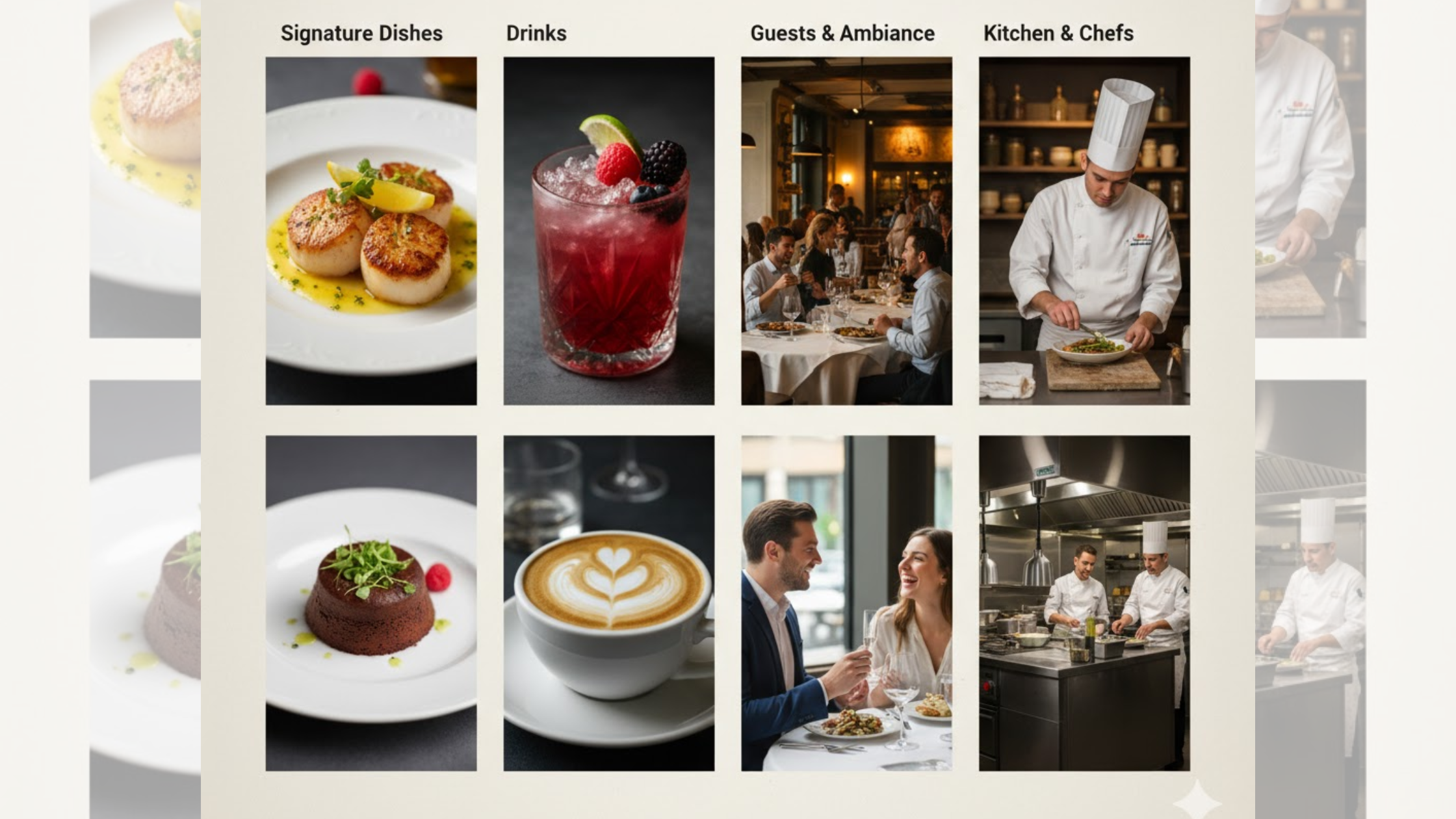
Photo galleries and virtual tours add that immersive touch.
Display your ambiance, from cozy booths to bustling kitchens, helping diners visualize their experience.
4. Reviews and Testimonials
Reviews integration pulls in testimonials from Google or Yelp, building trust right on your site.
5. Contact Info
Contact info should be front and center: Address, phone, hours (like Bua Thai’s clear Monday-to-Sunday breakdown), and a map embed for easy directions.
Social media links encourage shares, while an events calendar highlights specials or live music nights.
For example, look at Nobu, the celebrity-owned chain by Chef Nobu Matsuhisa, actor Robert De Niro, and film producer Meir Teper.
Their site features elegant menus with detailed dish descriptions, seamless reservations, and stunning visuals that reflect their upscale vibe.
Some bonus and clever addition of theirs is the Nobu Giftcard which spices up events.
It’s transactional goldmine, with visitors booking spots without friction.
Olitt AI shines here by automating these features.
Upload your details, and its AI crafts a site with built-in menus, booking forms, and galleries tailored for restaurants.
No tech headaches; just results.
Sign up for Olitt AI to get started with a free trial and see how it embeds these essentials effortlessly.
Accessibility matters too, so ensure alt text on images and keyboard navigation for all users.
Analytics integration tracks what’s working, like which pages drive the most orders.
These features are the backbone of a restaurant website that converts. Implement them, and watch your tables fill up.

Creative Design Ideas and Inspirations
Now let get creative with restaurant website design ideas for 2025.
It’s all about blending aesthetics with functionality to captivate diners.
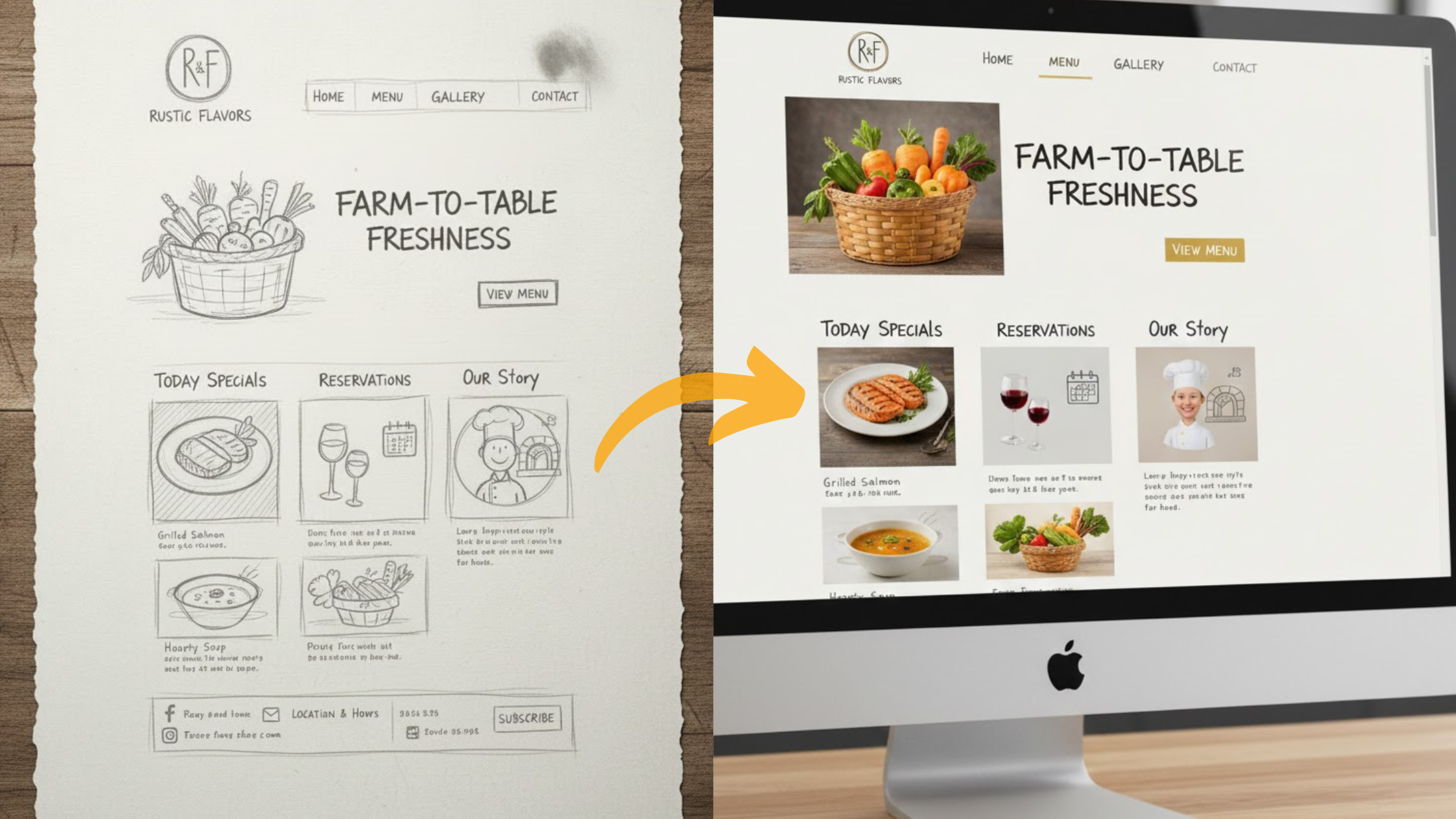
1. Hero Section
The hero section is what greets your visitors first when they open your website.
You want it to draw them in and not chase them away.
It can be a full-width image of your bustling dining room or a sizzling plate, overlaid with a bold call-to-action like “Reserve Now.”
Colors play big, like warm reds for Italian spots, or cool blues for seafood, to evoke your cuisine’s mood.
2. Layout
Layouts should flow intuitively.
Use grid systems for menus, with hover effects revealing ingredients or prices.
Storytelling elements, like an “Our Journey” page with timelines or chef bios, build emotional connections.
Video backgrounds of food prep add dynamism, but keep them short to avoid slow loads.
You can borrow some inspiration from well performing restaurant websites.
For instance, Shake Shack’s site uses fun, minimalist design with burger close-ups and easy navigation to their app for ordering.
It’s playful yet practical, mirroring their brand.
For celebrity flair, check Wahlburgers by the Wahlberg brothers.
Their website mixes family photos, menu spotlights, and franchise info in a clean, engaging format that feels approachable.
Or Trejo’s Tacos by Danny Trejo, with bold colors, taco galleries, and a shop for merch, turning the site into a brand hub. They even include a map to pin point their different locations.
3. Eco-Friendly Theme
Sustainability-themed designs are rising of late with earth saving initiatives.
You can adopt that by highlighting green initiatives with icons for recycled materials or farm-to-table sourcing if you are in support.
Interactive maps for multiple locations, like on Jon Bon Jovi’s JBJ Soul Kitchen site, make it easy for fans to find spots.

4. Animated Images, Text, and Buttons
Micro-interactions add polish like buttons that “pulse” on hover or smooth scrolls to sections.
For multicultural eats, multilingual support broadens reach.
Olitt AI brings these ideas to life with pre-built templates.
Choose a restaurant theme, and AI customizes colors, layouts, and elements based on your input.
It’s like having a designer on call, minus the cost.
These restaurant website design ideas draw from successes like Bua Thai’s straightforward yet inviting setup, proving that creativity doesn’t mean complexity.
Adapt them to your story, and your site becomes unforgettable.
SEO and Performance Optimization Tips
While designing your website, one thing to be extra intentional with is the site’s SEO.
Optimizing your restaurant website for search engines and speed is very crucial in 2025.
I mean, search engines favor user-friendly sites.
Start with keyword research—phrases like “best Thai ramen in NYC” for spots like Bua Thai.
Place them in titles, headers, and meta descriptions naturally.
Mobile responsiveness is key; use responsive frameworks to ensure seamless viewing on all devices.

Compress images without losing quality to cut load times.
Aim for under three seconds to reduce bounce rates.
Structured data markup, like schema for menus and reviews, helps Google display rich snippets, boosting clicks.
Build backlinks through local directories or partnerships.
Performance-wise, enable browser caching and minify code.
Tools like Google PageSpeed Insights guide improvements.
Olitt AI handles much of this automatically, with AI-optimized code, SEO tags, and fast hosting.
It’s a shortcut for busy owners.
These tips ensure your site ranks high and performs smoothly, driving more foot traffic.
Integrating AI for Smarter Restaurant Websites
AI is transforming restaurant website by making sites smarter and more adaptive.
Personalization engines recommend dishes based on browsing history, while chatbots handle inquiries 24/7.
Predictive analytics forecast busy times, adjusting promotions dynamically.
Voice search optimization lets users ask “What’s open now?” via assistants.
Olitt AI excels here, building AI restaurant websites that integrate these features no-code.
From automated menus to smart reservations, it’s tailored for the industry.
This integration is practical, saving time and boosting engagement.
Common Mistakes to Avoid
When pursuing restaurant website design ideas, avoid overload: Too many pop-ups or ads frustrate users.
Ignoring mobile testing leads to poor experiences, so, always preview on phones.
Skipping CTAs means missed conversions; place “Book Now” buttons prominently.
Neglecting updates, like outdated hours, erodes trust.
Poor navigation buries key info; keep menus simple. Overlooking accessibility excludes customers.
Olitt AI sidesteps these with intuitive builds and auto-updates, ensuring your site stays sharp.
Conclusion
Wrapping up these restaurant website design ideas for 2025, remember: A great site blends trends, features, and creativity to connect with diners authentically.
Ready to bring yours to life?
Olitt AI makes it simple, just create an AI-powered restaurant website in minutes.
Sign up now for a free trial and watch your bookings soar.