
For years, a reliable Point-of-Sale (POS) system was the cornerstone of a modern restaurant. But today, that’s just the starting point.
The conversation about restaurant technology in 2025 is moving beyond just processing payments.
It’s now about building a seamless, intelligent ecosystem that works behind the scenes.
This new wave of technology isn’t about replacing the human touch; it’s about empowering it.
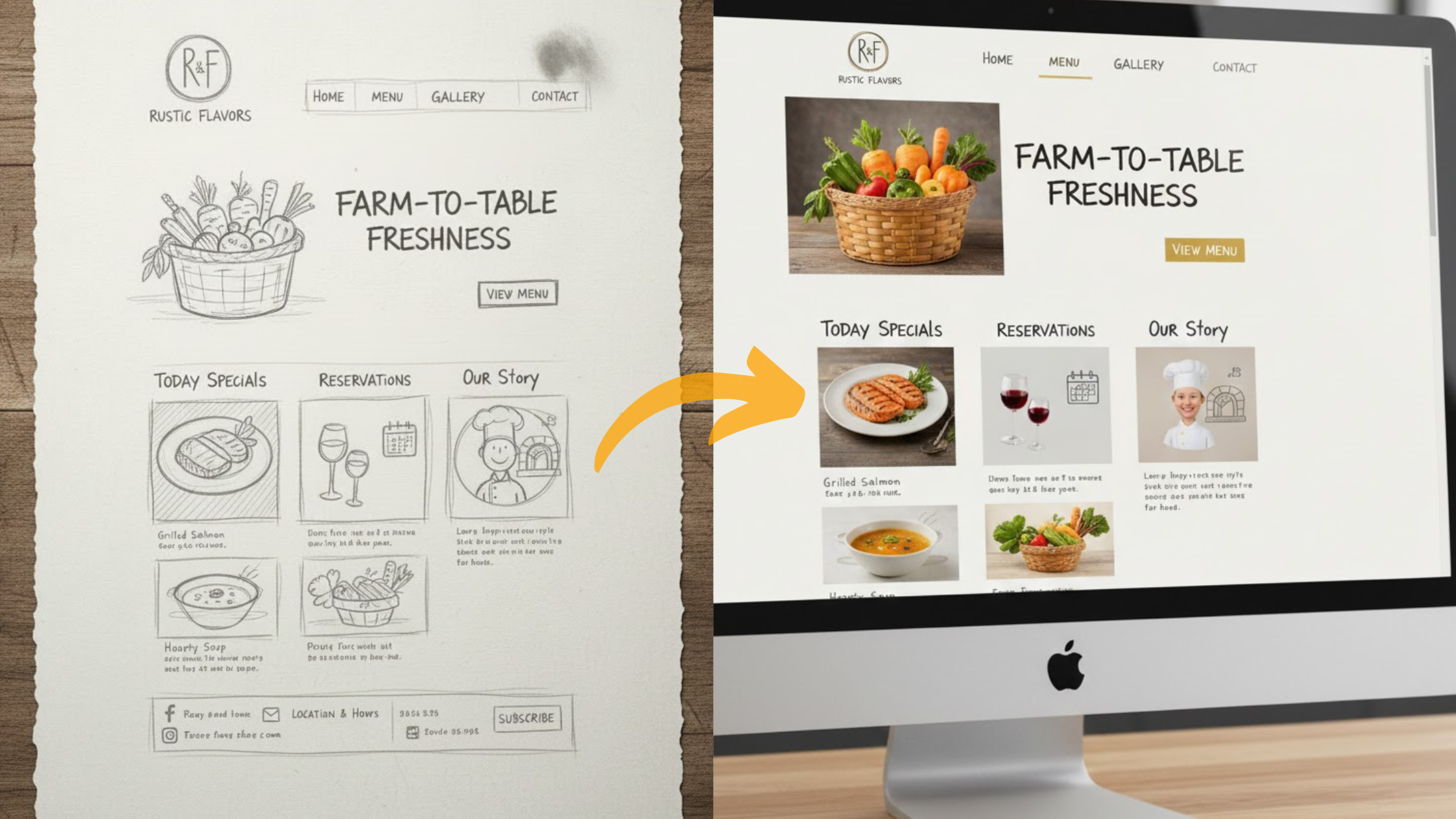
For example, here at Olitt AI, we build the best restaurant websites to enable restaurants to reach more customers.
Technology is the silent partner that streamlines chaos, reduces waste, and frees up your team to create unforgettable moments for every guest.
In this article, we’ll walk through the must-have technologies that work behind the scenes to make your restaurant more efficient, profitable, and ready for whatever 2025 brings.
Why Restaurants Need More than a POS System
A POS system is a vital part of a restaurant, but it cannot work alone to perfect the daily operations.
It’s essential for processing sales and tracking transactions. But it can’t run the entire restaurant alone. A modern restaurant needs a fully equipped system to thrive.
A POS is brilliant at telling you what you sold yesterday, but it’s useless at predicting what you’ll need tomorrow.
It can’t prevent food waste by managing inventory, personalize service by remembering a guest’s preferences, or streamline your kitchen to reduce errors.
It handles transactions, not relationships or operational intelligence.
However, relying solely on a POS means leaving profitability, efficiency, and customer loyalty on the table.
The real power comes from connecting your POS to other specialized systems that work together to make your entire operation more efficient and intelligent.
Must-Have Restaurant Technology in 2025
Wanna solve real-world restaurant problems?
Here are some of the must-have restaurant technologies that work tirelessly in the background, making your restaurant more intelligent, resilient, and hospitable.
1. The Kitchen Display System (KDS)
A KDS is more than just a screen that shows orders.
The 2025 KDS is the central command post for the entire back-of-house, and it’s the most critical upgrade for operational efficiency.
How it Works:
Instead of a printer spewing out paper tickets that can get lost, stained, or misread, orders flow digitally from the POS, reservation platforms, and third-party delivery apps directly to high-resolution screens in the kitchen.
Why It’s a Must-Have by 2025:
A KDS eliminates human error.
No more deciphering messy handwriting or lost tickets. What you see is what was ordered.
Timing and Coordination
A smart KDS can sequence orders intelligently.
It can hold appetizers while the main course is being prepared, or fire a table’s dishes simultaneously so everything comes out together, hot and perfect.
Data-Driven Kitchen Management
It tracks the average time to complete each dish, identifies bottlenecks, such as whether the grill station is consistently behind schedule, and provides invaluable data for menu engineering.
If the sea bass consistently takes 18 minutes, you know to adjust your menu descriptions or server guidance accordingly.
Integration
The best systems integrate with your inventory (more on that next), automatically deducting ingredients as dishes are fired, giving you a near real-time view of your stock levels.
2. Predictive Inventory and Supply Chain Software
Food waste is a silent profit killer.
In 2025, guessing how much salmon to order for the weekend is a luxury no restaurant can afford.
Predictive inventory software acts as your financial and operational crystal ball.

How it Works:
This software connects your POS, KDS, and supplier pricing. It analyzes your sales data, taking into account variables such as day of the week, season, local events, and even the weather forecast.
Why It’s a Must-Have by 2025:
Reduces Waste: The system can predict with startling accuracy how much of each ingredient you’ll need, preventing over-ordering and spoilage.
Automates Ordering: It can generate and even send purchase orders to your suppliers, saving managers hours of tedious work.
Cost Control: By tracking price fluctuations from different suppliers, the software can alert you to the best deals, suggesting where to buy this week’s tomatoes or chicken breast to maximize your margin.
Recipe Costing in Real-Time: If the price of avocados suddenly spikes, the system instantly recalculates the cost of your guacamole, allowing you to make swift menu pricing decisions.
3. Integrated Reservation and Table Management
The old pen-and-paper reservation book is a liability.
Modern table management systems, such as SevenRooms or OpenTable, are excellent Customer Relationship Management (CRM) tools for the hospitality industry.

How it Works:
It is your source of truth for the front-house. It manages online bookings, walk-ins, and waitlists. But its perfection is in the guest profiles it builds.
Why It’s a Must-Have by 2025:
Personalized Service at Scale
For example, the system can note that “Mr. Jones always requests a quiet booth”.
Your host and servers are armed with this information before they even greet the table, enabling a level of personalized service that feels magical.
Intelligent Seating
It understands your floor plan, hence identifies which tables are best suited for large groups, which two-tops tend to turn over quickly, and how to sequence seatings to avoid overwhelming the kitchen.
Marketing Powerhouse
By tracking visit frequency and preferences, you can run targeted campaigns that cater to your audience’s specific needs and interests.
You can also send a “We Miss You” offer to a guest who hasn’t visited in three months, or a special wine-tasting invitation to your established wine enthusiasts.
4. All-in-One Restaurant Management Tool
Juggling a dozen different apps for scheduling, payroll, task management, and communication is a recipe for chaos.
In 2025, you will need to consolidate into a single, unified management platform.

How it Works:
It’s like an operating system for your entire restaurant. Platforms like Toast, Upserve, and Lightspeed are expanding their ecosystems to bring everything under one roof.
Why It’s a Must-Have by 2025:
Unified Data
Instead of having sales data in one place, labor costs in another, and customer data in a third, everything is interconnected.
You can see, for example, how a specific server’s upselling affects table turnover and overall profitability.
Streamlined Labor Management
You can create schedules that align with sales forecasts, manage shift swaps, track hours, and handle tip distribution; all from one dashboard.
This saves administrative time and reduces errors.
Centralized Communication
Replace messy group texts with a channel for the team.
Managers can post shift notes, safety reminders, and items that have been removed, ensuring everyone is on the same page.
5. Contactless Ordering and Payment
The pandemic accelerated this trend, but it’s here to stay because customers have grown to love the convenience.
This isn’t about replacing staff; it’s about multiplying them.
How it Works:
QR codes on tables that lead to a digital menu, kiosks at counter-service establishments, or even order-ahead apps for pickup.
Why It’s a Must-Have by 2025:
For Enhanced Guest Control
It caters to diners who prefer to browse at their own pace, customize their orders without pressure, and pay the moment they’re ready.
Upselling Opportunities
Digital menus can be programmed to suggest add-ons like: (Would you like to add bacon to that burger?) with enticing photos, leading to higher check averages.
Staff Empowerment
By automating the order-taking and payment processing for many tables, your servers are freed up to:
- Provide genuine hospitality
- Recommend pairings
- Ensure the overall experience is exceptional.
How Olitt Keeps Pace with Restaurant Technology
Olitt ensures your restaurant website is never left behind by focusing on flexibility and practical connections.
Instead of forcing a complete rebuild for every new tool, our platform is designed to adapt and integrate seamlessly.

Here’s what that means for you:
- Olitt features built-in systems that enable you to create menus with modifiers, discounts, and multiple payment options, allowing you to start selling online immediately.
- Easy Reservations and Bookings: Quickly embed tools from providers like OpenTable or Resy, making it simple for customers to secure a table.
- Connects to Your Kitchen and POS: Orders from your website can be automatically sent to your POS or kitchen display system, streamlining operations.
- Automates Your Workflow: Connect your site to other apps, such as email marketing or accounting software, to automate tasks like sending confirmation emails or updating inventory.
- Optimized for Mobile Diners: Olitt ensures a seamless experience on phones, featuring tap-to-call functionality, easy-to-follow directions, and a straightforward checkout process.
- Localized for Your Market: Olitt supports local currencies, tax settings, and payment gateways to meet the needs of your customers.
- Boosts Your Online Visibility: It has built-in features that help your restaurant appear prominently in local search results and on maps.
- Fast, Secure, and Always Updated: We prioritize speed, security, and regularly add new features based on what restaurants actually need, from gift cards to event pages.
Conclusion
The goal for 2025 is to build a smarter, more connected operation where technology works seamlessly in the background to support your restaurant.
Your POS is a reliable tool, but it needs a team.
A KDS brings order to the kitchen, predictive inventory software acts as your crystal ball, and a reservation system becomes the memory that personalizes every guest visit.
When these tools talk to each other, you stop fighting daily fires and start seeing real gains in profit, efficiency, and customer loyalty.
By letting technology handle tedious tasks, such as counting, data entry, and paperwork, you free up your most valuable asset: your people.
Your team can then focus on creating warm, memorable experiences that keep guests coming back.
Moving beyond your POS isn’t a tech upgrade; it’s a commitment to building a more resilient and hospitable restaurant for the future.