
Your restaurant website landing page is the digital front door that can turn a late-night craving into a booked table or an online order.
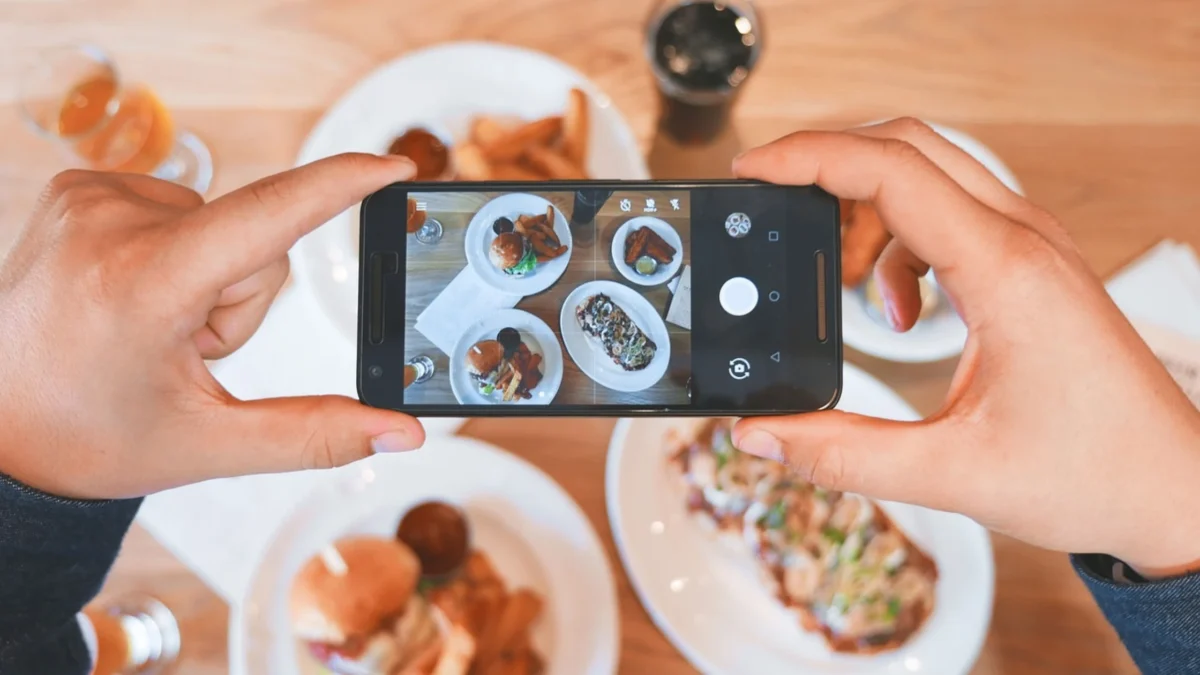
This is how it goes, a busy parent scrolling Instagram after a long day, spotting your mouthwatering photo of sizzling fajitas.
They tap through, but your site loads slow, the menu’s buried, and the reservation button? Nowhere in sight.
Frustrated, they swipe away to the next spot.
A clunky landing page means lost revenue when customers ghost you for smoother options.
Alternatively, we could zhuzh up your landing page into something that grabs attention and invites everyone into your restaurant, unarguably.
How? Lemme show you.
This guide will walk you through building a restaurant website landing page that hooks visitors fast, drives action, and feels like an extension of your vibe.
We’ll cover the why, the step-by-step how, real-world wins from spots like Panera Bread, and how AI, like our Olitt’s smart builder, cuts the hassle to minutes.
Ready to make your site work harder? Let’s plate this up.
Why Does Your Restaurant Need a Dedicated Landing Page?
Normally, your website is full of options, from the menu to event calendars and team bios.
Now, a landing page is the first page your visitors see when they visit your website.
It’s like your host stand, zeroed in on one goal, like snagging that reservation or order right now.

A sharp restaurant website landing page is like your secret weapon against no-shows and empty tables.
I mean, customers today decide in seconds.
So, if your page doesn’t scream “Book me!” or “Order up!”, they’re gone.
Data even backs it: targeted landing pages lift conversions 20-40% over generic homepages.
For eateries, that translates to more covers turned, especially when you pair it with Google ads or social shares.
Take Miss Lily’s, the Caribbean hotspot in New York.
Their landing page hits you with vibrant food shots and a dead-simple reservation form front and center.
No hunting required.
Result? It funnels traffic straight to tables, mirroring their lively island escape vibe.
Or consider Upper Crust Pizzeria in Boston—their page blasts an “Order Now” button above the fold, capturing impulse buys and dodging third-party fees.
It’s like it’s daring you to order, and you, don’t dare me with food, especially when am hungry.
Here’s why it pays off for you:
| Benefit | Impact on Your Restaurant |
| Higher Conversions | 25% jump in online orders, per Toast stats, direct path from click to cash. |
| Better SEO | Keyword-rich pages rank higher, pulling local searches. |
| Mobile Magic | 60% of diners book on phones, so responsive designs keep you in the game. |
| Data | Forms collect emails for promos, turning one-timers into regulars. |
Building manually is surely doable.
But why sweat pixels when AI can whip up a custom restaurant website landing page that adapts to your style?
Step 1: Define Your Goals and Audience for the Landing Page
You could start here, or risk a page that looks great but converts zilch.
But trust me, you don’t want that.
What’s the one thing you want visitors to do? Book a table? Order takeout? Sign up for your newsletter?
To set smart goals, be specific, like “Friday night reservations.”
Tie it to your restaurant website landing page’s north star.
Say, reservations if you’re a white-tablecloth spot, or quick orders for a casual joint.
Now, who are they?
Sketch quick personas. The harried office worker craving your pad thai at lunch? Or the date-night couple eyeing your wine list?
- Grab a notebook (or Google Doc). Jot demographics: Age 25-40, urban pros, love farm-to-table.
- Dig pains: “I hate calling for resos—too awkward.” Or “Menus that load forever? Pass.”
- Nail hooks: For the pro, flash “Lunch specials delivered in 20 mins.” For couples, “Romantic sunset seating—book now.”
Use free tools like Google Analytics on your current site to spot trends, or poll your POS data.
Here’s a simple template:
| Persona | Key Pain | Landing Page Hook |
| Busy Parent | Time crunch, kid-friendly options | “Family feasts ready in 15—order ahead!” |
| Foodie Date | Unique experiences, easy booking | “Intimate chef’s table—secure your spot.” |
| Local Regular | Deals, loyalty perks | “VIP flash: 20% off for email signups.” |
Make your restaurant website landing page specific to these folks, and watch engagement spike.
If you’re struggling to profile, AI can help you here, with tools like Olitt scanning your inputs and suggesting personas that fit like a glove.
Step 2: Plan the Structure and User Flow
You’ve got goals and faces in mind. Now map the path: From “Hello, hungry?” to “Yes, I’ll take that table.”
A killer restaurant website landing page flows like a great meal, you should know better being the master of appetizer hooks, main course value, dessert close.
Keep it above the fold.

Core layout:
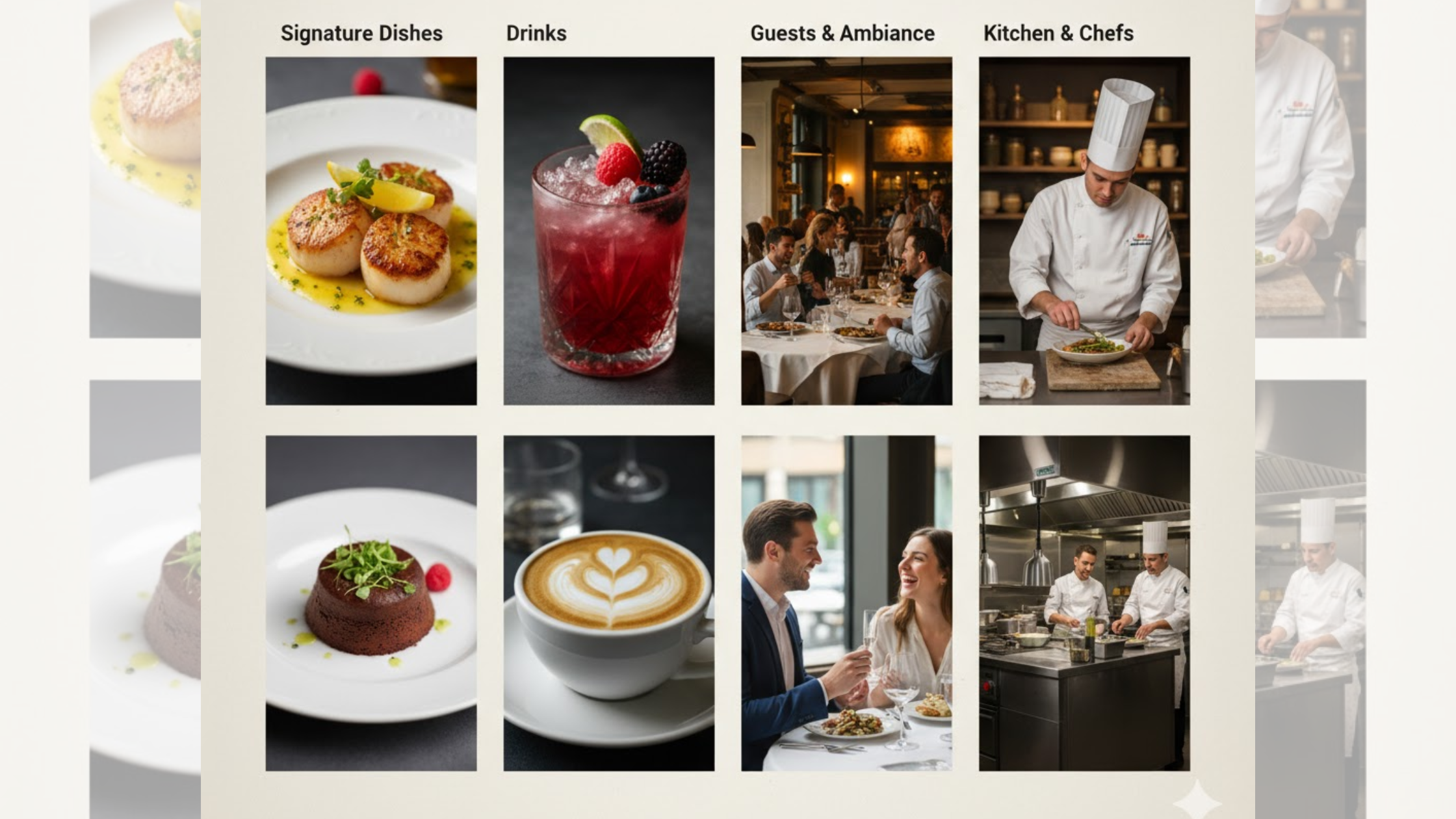
- Hero Section: Big, bold image of your signature dish (think steam rising off fresh pasta). Overlay headline: “Taste Italy Tonight—Reserve Your Table.” Subtext teases benefits, ends with CTA button.
- Social Proof: Pull in 4-5 glowing Google reviews or Yelp stars. “Loved the ambiance!” – Sarah K.
- Tease the Goods: Menu highlights with prices, not the full tome. Link to full PDF if needed.
- Frictionless Form: Short reservation widget with a name, party size, and time. Integrate OpenTable or Resy.
- Footer Basics: Address, hours, social icons. Add email capture: “Get weekly specials.”
Sketch it wireframe-style on paper or Figma’s free tier.
Test flow: Can a thumb on mobile hit “Book” in three taps?
For inspiration, check Sweet Cheeks Q in Boston.
Their landing page starts with a welcoming overlay text, flows to menu and reservations, then catering and gift cards.
Yours could mirror that: Linear scroll, no dead ends.
Pro tip: A/B test two hero versions, one with video background (your chef in action), one static. Tools like Google Optimize make it free.
Planning’s half the battle. AI auto-generates this skeleton, tweaking for your restaurant website landing page goals in seconds.
Step 3: Craft Compelling Content and Visuals
Words and pics are like the sizzle that sells the steak. Keep it warm, direct, and focused on what your visitors get out of it.
Write Like You’re Talking to a Guest at Your Table
Start with your headline. Skip the generic stuff like “Our Menu.” Try something with flavor, like:
“Savor Farm-Fresh Flavors Starting at $12.”
When you move into the body copy, keep it tight and tasty:
“Our grilled salmon? Wild-caught, herb-crusted, served with seasonal greens. Pair it with a crisp Sauvignon for $8.”
And always weave in a bit of your story:
“Since 2012, we’ve sourced local to keep it real and delicious.”
That little human touch sticks.
Let Your Visuals Do the Heavy Lifting
Good visuals make people hungry before they even see the menu.
Skip blurry phone shots, and hire a local food photographer or use clean, polished images from a tool like Canva.
And don’t forget descriptive alt text for accessibility and SEO:
“Smoked brisket plate on restaurant website landing page.”
For calls to action, sprinkle them in, but make them fun and intentional:
“Grab Your Slice.”
“Reserve Now—Limited Spots.”
A quick before/after to show the power of good copy:
- Before: “We offer pizza.”
- After: “Hand-tossed pies baked in 90 seconds your new weeknight hero. Order in 2 clicks.”
Big brands know this game well.
Take Panera Bread: high-def bakery shots pull you in, copy like “Unlimited Sip Club” drives signups, and clear CTAs feed their massive loyalty program.
That’s the vibe worth emulating.
Step 4: Optimize for SEO and Performance
You’ve built your landing page, now it’s time to make Google fall in love with it.
The faster and more searchable your restaurant website landing page is, the higher it ranks… and the more free traffic you get.

Dial In the On-Page SEO Essentials
Start with the basics.
Your title tag should be clear and keyword-rich:
“Book at [Your Spot] | Best [Cuisine] in [City] – Restaurant Website Landing Page.”
Your meta description is your one-sentence pitch, about 150 characters, teasing the value:
“Craving authentic tacos? Reserve now at [Your Spot]. Fast, fresh, unforgettable.”
Use headers to guide both readers and search engines.
- H1 for the main goal of the page
- H2s for each section, sprinkled with keywords
Add alt text to your images and include a few internal links to your full menu or specials.
Make Your Page Lightning Fast
Speed is non-negotiable.
Compress your images with tools like TinyPNG, and minify your CSS using any free online minifier.
Your target: under 3 seconds of load time.
Run a quick health check, too:
- SEMrush’s free site audit is great for spotting issues
- Google’s Mobile-Friendly Test ensures your page works on every phone
If you want a model to look at, check out high-performing pages like Smith & Wollensky.
Their steakhouse site ranks for phrases like “NYC steak reservations,” loads almost instantly, and uses review snippets to build instant trust.
And Yes, AI Can Handle the Heavy Lifting
If all this feels like a lot, tools like Olitt AI can automate the boring parts.
It builds SEO best practices right into your restaurant website landing page so you show up in local searches without sweating the technical stuff.
Step 5: Build, Test, and Launch Your Page
Alright, tools time.
Platforms like Squarespace or WordPress with Elementor let you drag, drop, and launch without touching a single line of code.
But if you want the quickest restaurant-friendly setup, Olitt AI is your best bet.
Here’s how you can build your restaurant website landing page in under 10 minutes.
- Plan your basics: goals, menu highlights, guest persona.
- Create a free Olitt account: takes 30 seconds.
- Open the AI builder: olitt.com → “Restaurant AI Website” → “Build with AI.”
- Tell it about your restaurant: name, address, crowd faves, vibe, and your main goal (reservations, orders, etc.).
- Review + create: double-check the summary and click Create My Website.
- Pick a plan: free or paid (Starter $9.99/mo, Pro $10.99/mo, Business $29.99/mo).
- Let AI do its thing: your full site + landing page is generated in minutes.
- Tweak: edit via AI chat.
- Test: scroll on mobile, hit the buttons, check load speed.
- Launch + track: go live and hook up Google Analytics.
Your restaurant website landing page is live. Now watch, learn, and refine.
Conclusion and Next Steps
You’ve got the blueprint: Goals sharp, flow smooth, content crave-worthy, SEO solid, build effortless.
Your restaurant website landing page now should be able to convert scrolls to sales, just like Miss Lily’s or Panera.
Don’t struggle to create it manually.
Head to olitt.com/restaurant/ for a free trial. Enter your info, hit create, and watch your bookings climb.
Your tables are waiting, what are you planning to do about it?