
Running a Japanese restaurant is about the experience you deliver.
Every sushi roll, ramen bowl, and garnish tells a story.
Without a website, many potential diners may never see that story.
Today, most customers begin their search online, no website means missing out on new visitors.
This guide shows you how to create a Japanese restaurant website that reflects your craft, attracts new guests, and grows your business.
We will cover why a website matters and give you a step-by-step roadmap that is easy to follow.

Why Your Japanese Restaurant Needs a Website
Even if your tables are full most nights, depending only on social media or word-of-mouth keeps your reach small.
A website is what turns local fame into lasting visibility. Here is why having a website changes everything.
Builds instant trust
Before people commit to dining somewhere new, they research.
If they Google sushi restaurant India and find a clean, professional website with your menu and hours, you instantly win their trust.
They see your location, menu, hours, and they trust that you are real, not a random listing.
The more professional it looks, the faster they decide to visit.
Gives you full creative control
Your restaurant has a story, maybe it is inspired by Tokyo street food or the calm of Kyoto dining.
On your own website, you decide how to tell it.
No social media restrictions.
You can feature chef bios, behind-the-scenes videos, or even write short blurbs about the meaning behind each dish.
Improves local discoverability
Your restaurant could be the best ramen spot in town, but without a website, search engines won’t show you to people looking for you.
Local SEO, using location-based keywords, helps your restaurant appear right when nearby diners are searching.
Makes guest interactions effortless
A website simplifies everything: reservations, takeout, event bookings, even gift card purchases.
Instead of chasing DMs or dealing with app commissions, guests can book directly in seconds.
It is convenient for them, and more profitable for you.
Now that we know why having a website is important, let us get into how to create a Japanese restaurant website step by step.
Step 1: Brainstorm a Name & Claim Your Domain

Your restaurant name is the first impression online.
It is the first word customers will type, hear, and remember.
So, choose something short, catchy, and meaningful, ideally tied to your Japanese cuisine or dining experience.
Think of names like Sakura House, Tokyo Bowl, or Umami Street, simple, elegant, and easy to say.
Once you have landed on a name you love, transform it into a web address people can instantly recall.
Domains like sakurahouse.co.ke or tokyobowl.com not only look professional but also make it easier for customers to find you online or share your restaurant with friends.
Steer clear of tricky spellings, random numbers, or unnecessary words, those only make it harder for guests to locate you.
Your goal is a clean, memorable identity that feels trustworthy from the first glance.
After securing your domain, you are ready for the next step: building your website.
Step 2: Choose How to Build Your Website
When learning how to create a Japanese restaurant website, you will quickly realize there is more than one path to take.
It all depends on your budget, time, and comfort with technical work.
- Hire a designer or agency: Perfect if you want something 100% custom, but it can get pricey and take weeks or months to finish.
- Manual build: Great for developers who love control, but unless you are comfortable coding, it is not the easiest path.
- Website builders: Fast, affordable, and incredibly easy to use. Platforms like Olitt, Wix, or Squarespace help you create a site in minutes.
Most Japanese restaurant owners prefer website builders because they are quick and flexible.
Step 3: Start Building Your Website

Suppose you go for the website builder route, smart move.
Here is exactly how to create a Japanese restaurant website using an AI-assisted builder like Olitt.
When you choose Olitt, it starts by asking a few questions about your restaurant, name, cuisine type, logo, and design preferences.
In just minutes, it builds a customized layout, complete with homepage, menu, and contact sections.
From there:
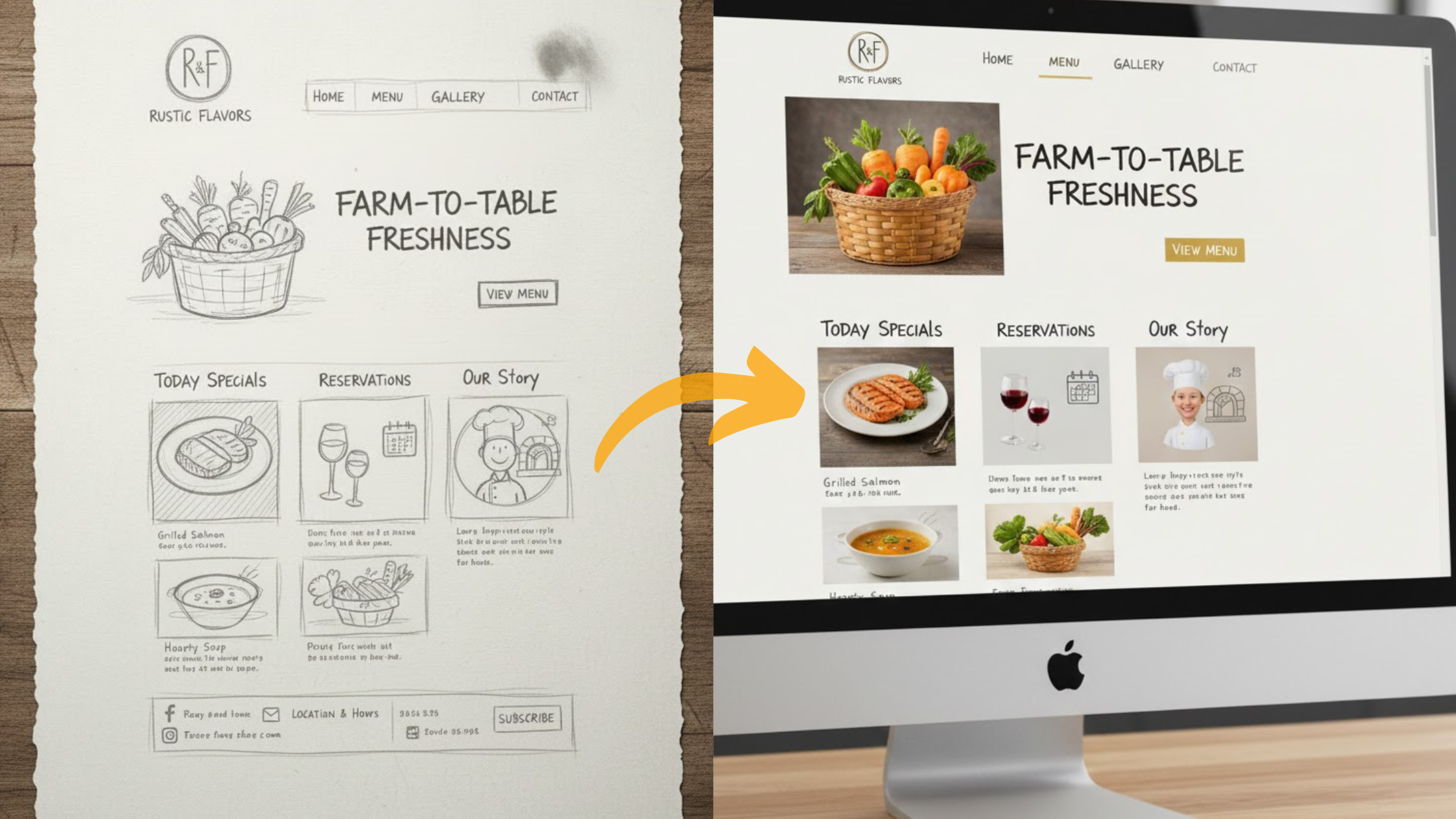
- Design your homepage: Add your restaurant’s name, a catchy tagline, and an eye-catching image or video by telling the AI all this information. Include action buttons like Book Now or Explore Menu.
- Edit with ease: Using Olitt’s simple inline editing, manual control and AI-assisted editing, you can adjust colors, rearrange sections, or update your menu photos anytime.
- Enjoy mobile perfection: Every site built on Olitt is automatically mobile-optimized, so your guests have a smooth browsing experience no matter the device.
The result? A website that looks delicious, feels professional, and tells your restaurant’s story with elegance.
Step 4: Add Key Pages
Now that you have picked your builder and design, let us fill your website with the right pages, the ones that keep visitors exploring.
This is where structure meets storytelling.
Here is how to create a Japanese restaurant website that flows naturally:
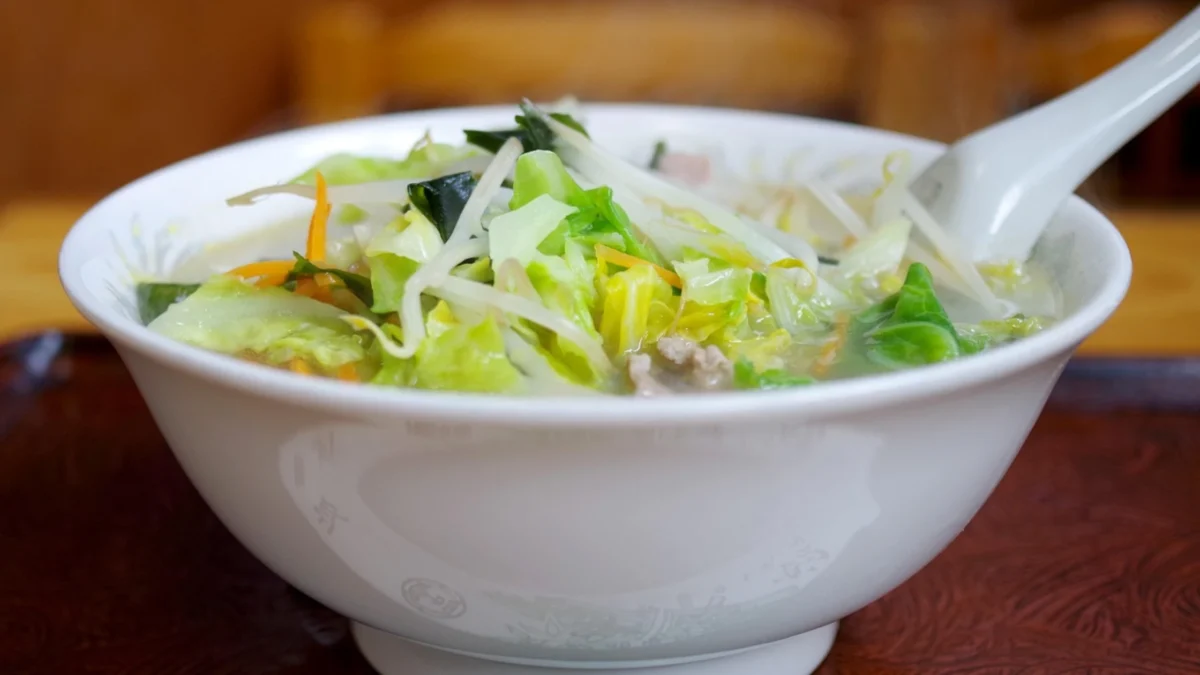
- Home Page: Start with a big, beautiful photo that captures your vibe, maybe a sushi bar shot or a steaming ramen bowl. Add a short intro and clear action buttons like Book Now.
- Menu Page: Include high-quality dish photos and the Japanese names with English translations. Organize neatly into sections like Sushi, Ramen, Drinks, or Chef’s Specials.
- About Page: Share the heart of your story, your chef’s background, why you love Japanese cuisine, and what makes your space unique.
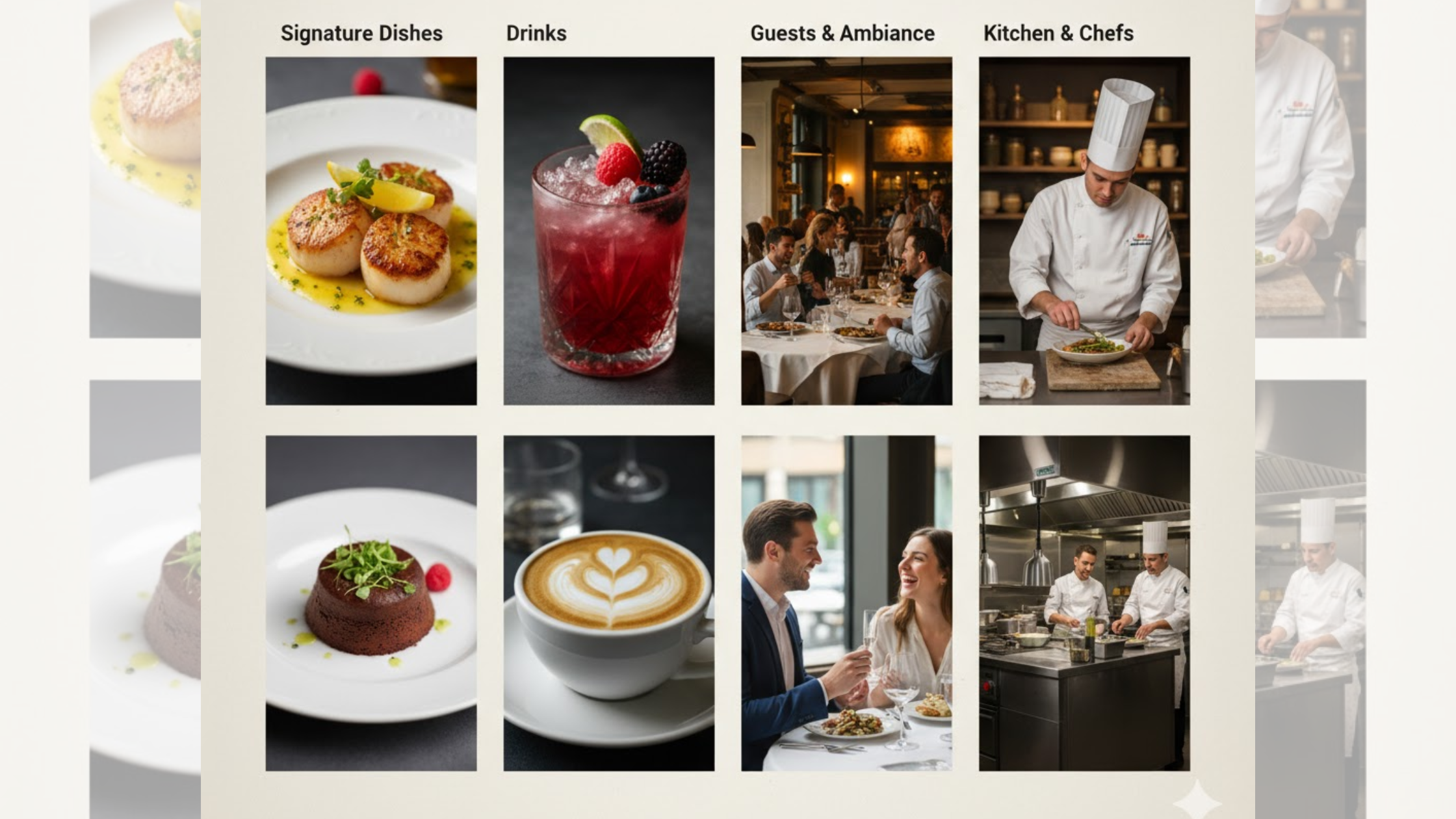
- Gallery Page: Include shots of your dishes, your staff, and your restaurant interior. It gives visitors a virtual tour before they even arrive.
- Reservations/Orders Page: Make booking or ordering as smooth as placing a call. Guests love convenience.
- Contact/Location Page: Always include your map, phone number, and opening hours, no one likes hunting for details.
When you add these key pages thoughtfully, your website becomes more than a brochure, it becomes an invitation.

Step 5: Make It Look & Feel Authentic
This is the part where your website goes from functional to unforgettable.
When figuring out how to create a Japanese restaurant website that truly represents you, aim to mirror the feeling guests get when they walk into your space.
Start with the design tone. Japanese design values harmony, so use natural colors, soft lighting in photos, and uncluttered layouts.
Then, visual storytelling. Real photos always win.
Show your chefs at work, fresh ingredients being sliced, or the cozy ambiance of your dining area. Every image should make visitors feel hungry and welcomed.
Add cultural personality. Maybe a hint of cherry blossoms, wave motifs, or simple kanji dish names, nothing overdone, just enough to hint at authenticity.
And don’t forget mobile optimization.
Builders like Olitt make this easy by automatically designing layouts that look great on phones.
Since most people discover restaurants via mobile, this step is crucial.
When your website mirrors the care and simplicity of your dishes, it speaks volumes.
That is the difference between just having a website and having one that tells your story beautifully.
Step 6: Optimize, Publish & Promote
Now that your Japanese restaurant website looks amazing, it is time to make sure that the world can actually see it.
The last step in how to create a Japanese restaurant website is all about optimizing, publishing, and promoting smartly.
Start with SEO basics.
Use keywords people actually search for, like Japanese restaurant near me or best sushi in Lagos, in your titles, descriptions, and image tags.
Builders like Olitt make it simple with built-in SEO tools that guide you step-by-step.
Before hitting publish, test your site on mobile and desktop.
Make sure pages load quickly, text is easy to read, and buttons work smoothly.
Olitt automatically optimizes for mobile, so your guests get a seamless experience wherever they browse.
Once live, share your website across platforms, Google Business Profile, Instagram bio, Facebook page, even QR codes on your menus.
Encourage happy customers to visit your site to make reservations or view your menu.
Keep your site alive with new photos and seasonal menu updates.
When your website grows alongside your restaurant, it becomes part of your brand’s heartbeat, connecting your food, your story, and your guests in one seamless experience.
Step 7: Keep Your Website Fresh
Your restaurant website is not something you build once and forget, it is like your menu: always evolving, always improving.
The secret to keeping your site engaging is consistency and creativity.
- Start with your menu updates. If you introduce a new seasonal ramen bowl or sushi roll, add it to your website immediately. Guests love seeing fresh offerings, it gives them a reason to come back, both online and in person.
- Then, post occasional news or blog updates. It doesn’t have to be fancy. Maybe a short story about your chef’s favorite dish, a behind-the-scenes peek in the kitchen, or how you source authentic ingredients. These stories build connections and improve your search visibility at the same time.
- Consider adding a newsletter sign-up. Collecting emails lets you share promotions, holiday menus, or events directly with loyal guests.
- Behind the scenes, track your analytics. Tools like Google Analytics or Olitt’s built-in insights show which pages attract the most visitors. Maybe people love your photo gallery more than your blog, that is a clue to invest in stronger visuals.
- And don’t forget to refresh your images regularly. New photos keep your site feeling alive, just like fresh décor in your dining space.
A well-maintained site tells visitors that your restaurant is active, modern, and proud of its craft, the same energy that keeps your kitchen thriving.

Bonus Tips for Success
Now that you know how to create a Japanese restaurant website, let me sprinkle in a few extra tips to help it truly shine.
These little touches often separate a good site from a great one.
- First, use demo sites for inspiration. Platforms like Olitt feature pre-made restaurant demo sites, not to copy, but to learn what layouts and color schemes capture attention. Explore how others highlight their dishes, use photography, and guide visitors toward actions like reservations.
- Next, when using AI tools to build or write content, be specific in your prompts. For example, instead of typing make a restaurant homepage, try create a homepage for a traditional Japanese restaurant serving ramen and sushi in Nairobi. The more detail you give, the better the AI tailors your website.
- Then, highlight your unique dishes. Whether it is a perfectly torched salmon nigiri or a steaming bowl of miso ramen, great visuals turn browsers into diners. Showcase real photos, not stock images, authenticity always wins.
- Finally, balance beauty with usability. Yes, Japanese design thrives on minimalism, but clarity should come first. Visitors should find your menu, contact info, and reservation links instantly, no endless scrolling or confusing menus.
When you blend thoughtful design, clear storytelling, and a touch of personality, your website becomes more than a marketing tool.
It becomes a reflection of your restaurant’s heart, the same passion your guests taste in every bite.
In the End
Your restaurant already offers unforgettable flavors, now it is time to make sure people can find them.
A strong website does exactly that, it turns curiosity into reservations.
If you are unsure how to create a Japanese restaurant website, start simple.
Use an intuitive builder like Olitt, which guides you step-by-step, from choosing your color palette to publishing your first menu online.
Within minutes, you will have a site that looks polished, loads fast, and feels uniquely yours.
Your website becomes the digital extension of your restaurant’s atmosphere.
When guests find you online and feel that same care and elegance, they are far more likely to visit in person.
So start today with the very easy Olitt AI website builder.
Build a site that speaks your language, shares your passion, and connects you with guests who can’t wait to taste what you have created.