
Local citations are one of the simplest ways to help your business show up when people nearby search for what you offer.
In 2026, ranking locally has evolved way above just having a website.
I mean, search engines want proof that your business is real, active, and consistent across the web.
That proof often comes in the form of:
- Your business name, address, and phone number as listed on directories.
- Maps
- Review platforms
- Industry websites
And since local citations are online mentions of your business’s name, address, and phone number (NAP) on directories, websites, and social platforms, it creates an easy way around SEO.
They act like digital references.
The more accurate and consistent they are, the more confident search engines feel about showing your business to local customers.
In this guide, I’ll walk you through exactly what local citations look like in 2026, especially now that AI-powered search and voice assistants are influencing how results are ranked.
You’ll see why consistency carries so much weight, and you’ll get a clear, practical plan to build and maintain your citations and alternative tools to help you automate everything.
By the end, you’ll know how to use local citations to strengthen your presence in local search.
What Are Local Citations in 2026?
A local citation is simply any online mention of your business’s core NAP details, including your name, physical address, and phone number.
In many cases, it also includes your website link, opening hours, business category, or a short description of what you do.

You’ll find these mentions in structured places like business directories, map listings, and review platforms.
They also show up more casually in blog posts, news articles, event listings, or even social media posts where your business details are referenced.
In 2026, search has changed.
1. AI-generated summaries now answer questions directly on the results page.
2. Voice assistants handle a growing number of “near me” searches.
3. Zero-click results mean users often get what they need without ever visiting a website.
Because of this shift, search engines like Google rely heavily on consistent business data across the web.
Citations act as trust signals. They confirm that your business actually exists, operates where it says it does, and can be contacted through the details provided.
When your information is inconsistent or missing, it creates hesitation. If one listing shows a different phone number or a slightly different business name, it weakens confidence.
On the other hand, when your NAP details match everywhere, it strengthens what’s often called “entity confidence.”
That confidence makes AI-driven search tools more comfortable recommending your business, including it in summaries, and surfacing it in voice search results.
In short, accurate and consistent citations help search engines trust you and trust leads to visibility.
Types of Local Citations
To build citations properly, it helps to separate them into two clear categories: structured and unstructured citations.
i) Structured Citations
These are the clean, organized business profiles where your NAP details are placed into specific fields.
Search engines can easily read and pull this information directly into maps, local packs, and knowledge panels.
The most important one to claim and optimize first is your Google Business Profile.
Add accurate contact details, choose the right categories, upload real photos of your business, and post updates regularly.

Other strong, structured platforms include Apple Maps, Bing Places, Yelp, and a Facebook business page.
Structured citations send clear, direct signals to search engines. They’re foundational.
ii) Unstructured Citations
These are more natural mentions of your business that don’t follow a strict listing format.
For example, a travel blog might write: “Check out Mombasa Airbnbs by Tee in Nyali. Perfect for beach lovers,” and sometimes even include your phone number or address in the article.
You’ll also find unstructured citations in local news features, community forums, Reddit discussions, or guest social media posts tagging your property.
These mentions may not look like formal listings, but they still reinforce your business details across the web.
And when they come from trusted websites or well-established blogs, they add authority and long-term credibility.
So, structured citations help with direct ranking power, and unstructured citations strengthen trust and reputation.
In our work at Olitt, combining both has helped businesses climb higher in competitive “near me” searches. And it’s all about building a balanced presence that search engines can confidently rely on.
Local Citations vs. Local Business Listings
These two terms get mixed up all the time, and it’s easy to see why. They’re closely related, but they’re not the same thing.
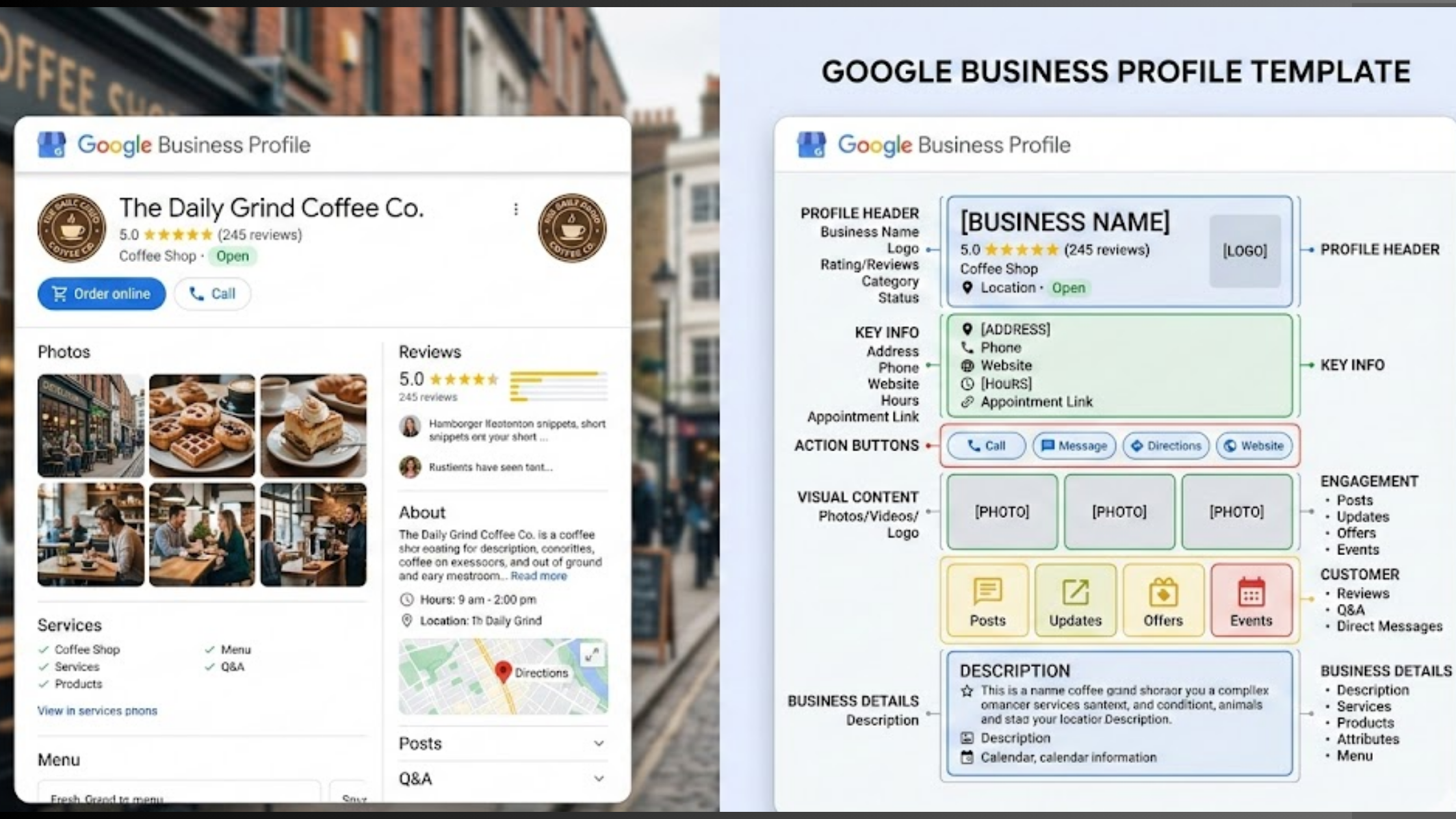
A local business listing is a complete, detailed profile.
For example, your Google Business Profile includes photos, reviews, services, opening hours, FAQs, posts, and directions.
It’s designed for customer interaction. People can call you, message you, read reviews, and even book directly from it.
A local citation, on the other hand, is any mention of your NAP details anywhere online.
The key point is all listings are citations, but not all citations are full listings.
- A simple directory entry with just your business name and phone number? That’s a citation.
- A blog post that mentions your property and includes your contact details? Also a citation.
- Your fully optimized Google Business Profile? That’s both a listing and a citation.
When building your local presence, it helps to approach this in two layers:
- Citations build trust signals. They show search engines your business details are consistent across the web. This strengthens your SEO foundation.
- Listings drive engagement. They encourage real actions like calls, messages, bookings, and reviews.
Start by making sure your core details are accurate everywhere. Once that foundation is solid, focus on enriching your listings with photos, services, updates, and strong descriptions.
Citations support your visibility. Listings convert that visibility into inquiries and bookings.
What Do Local Citations Do for Your Business in 2026?
Even with AI transforming how search works, local citations haven’t lost their importance. If anything, they’ve become more critical.
Search engines now rely heavily on verified business data to decide which businesses to recommend in map results, AI summaries, and voice responses.
When your details are consistent across the web, you make that decision easier for them.

And in 2026, with voice search handling a large share of local queries, consistency often determines who gets recommended first.
Key Benefits You’ll See
1. Higher Map Pack Placement
When your NAP details match across major directories, it strengthens your legitimacy.
That consistency increases your chances of landing in the top three Google Maps results, the spots that get the majority of clicks and calls.
2. Stronger AI and Voice Search Visibility
A large portion of local searches now happen through voice assistants.
When someone asks for “best Airbnb in Mombasa with a pool,” AI tools pull structured business data from across the web.
If your address or phone number conflicts somewhere, you reduce your chances of being confidently recommended.
Clean citations remove that friction.
3. More Visibility and Traffic
The more accurate mentions of your business that exist online, the easier it is for people to find you.
Consistent citations lead to more direction requests, more phone calls, and more website visits.
4. Increased Trust and Credibility
Search engines evaluate trust signals when ranking businesses.
Strong citations from reputable directories and local platforms reinforce that your business is established and reliable. This supports broader credibility signals that influence visibility.
5. Direct Leads and Conversions
Many directories allow users to call or get directions instantly.
In a U-city like Melbourne, where people search while moving around, accurate contact details can directly turn into sales. And a single wrong digit in your phone number can cost you inquiries immediately.
For service businesses, this shows up in real searches like “best laundry services near me” or “emergency electrician now.”
What Happens If You Ignore Them?
Inconsistent NAP details confuse search engines, and when algorithms aren’t confident, rankings drop.
- Outdated phone numbers mean missed calls.
- Duplicate listings split your authority.
- Old addresses create guest frustration.
In 2026, where many sales and payments rely on fast mobile communication, even a small mistake can block conversions instantly.
Businesses also struggle with “GBP Spam,” which is outdated or fake profiles floating around online that compete with their correct ones.
Cleaning up duplicates and aligning information usually resolves the issue quickly.
Local citations might not seem flashy or feel exciting, but they quietly shape how visible, trustworthy, and reachable your business appears online. And in 2026, that foundation makes a whole difference.
How to Build and Optimize Local Citations: Step-by-Step
If you want real results, you need to be systematic.
Below is a practical plan tailored for local service businesses. Follow the steps in order.
Step 1: Audit Your Existing Citations
Start by searching your exact business name + address + city on Google.
Look closely:
- Is your phone number the same everywhere?
- Are there duplicate listings?
- Is an old address still floating around?
You can use free citation checkers or a scanner like Localforce to speed this up.

Fix your Google Business Profile first. That should always be your “source of truth.” Every other listing should match it exactly.
Step 2: Claim and Optimize Your Core Profiles
Once your audit is clear, claim and fully complete your main profiles.
For your Google Business Profile:
- Use your exact NAP details
- Upload high-quality photos of your business (interior, exterior, delivery vans)
- Select accurate categories (e.g., “Plumber”)
- Add services like “Emergency plumbing.”
- Post updates weekly
Then claim:
- Apple Maps
- Bing Places
- Facebook Business Page
- Key directories like Yellow Pages
Don’t just create them, complete them properly.
Step 3: Submit to Quality Directories
Aim for 20–50 strong, relevant directories in your industry and region.
Global/Core Platforms
- Yelp
- Bing Places
- Apple Maps
Beyond these, focus on reputable local directories specific to your country, city, or industry.
This could include:
- Chamber of Commerce websites
- Industry associations
- Trusted regional business directories
- Professional licensing boards (where applicable)
You can use data aggregators to distribute your business information more broadly, but keep your focus on quality.
A smaller number of authoritative, relevant listings will outperform dozens of low-quality ones.
Step 4: Lock in NAP Consistency
This is where many businesses lose momentum.
Your Name, Address, and Phone number (NAP) must appear exactly the same everywhere online.

Check that:
- Your business name is written identically across all platforms
- Your address format is consistent
- Your phone number uses the same structure (including country/area code)
- Your website URL is included consistently (NAP-W, not just NAP)
If your hours change, update every listing. If your phone number changes, update every platform immediately.
Even minor inconsistencies can weaken trust signals and reduce search visibility.
Step 5: Build Unstructured Citations
Now expand beyond directories.
Unstructured citations are natural mentions of your business across the web. These can include:
- Guest articles on industry blogs
- Sponsoring community events
- Local news features
- Participation in community forums
- Customers tagging your business on social media
They may not look like formal listings, but they reinforce your business details and strengthen authority, especially when they come from reputable sources.
Step 6: Add Optimization Extras
Once your citations are in place, make them stronger.
- Include relevant local and service keywords in descriptions (e.g., “emergency plumbing services in downtown Chicago”)
- Add schema markup to your website
- Upload high-quality photos and short videos
- Encourage customers to leave reviews
Strong reviews amplify the impact of your citations. Consistent listings combined with positive ratings create a powerful visibility boost.
Step 7: Monitor and Maintain
Citations require ongoing attention.
- Set up Google Alerts for your business name
- Review listings quarterly
- Track traffic and direction requests in Google Analytics
- Respond promptly to reviews
Also pay attention to conversational search queries like “best electrician near me open now” or “top-rated dentist in my area.” Align your descriptions naturally with how people speak.
Common Mistakes to Avoid
- Submitting to low-quality or irrelevant directories
- Ignoring unstructured citation opportunities
- Leaving outdated information online
- Forgetting to update listings after changes
Best Practices for Local Citation Management in 2026
Building citations is only the first step. The real advantage comes from managing them consistently over time.
This is where many businesses lose traction. A few disciplined habits can keep you ahead, especially in competitive local markets.
1) Standardize Your NAP and Update Quickly
Your business name, address, and phone number should appear in exactly the same format everywhere online.
If anything changes from business hours, a new phone number, or a suite number adjustment, update every listing immediately.

Delays create inconsistencies, and inconsistencies weaken search engine trust.
Tools like LocalForce are the best at running frequent audits and monitoring changes while updating you.
2) Audit Regularly
Set a reminder to review your listings every quarter.
Look for:
- Duplicate profiles
- Outdated contact information
- Missing website links
- Incorrect categories
Cleaning these up protects your search signals and prevents customer confusion.
3) Prioritize Quality Over Volume
It’s far better to be listed on 40–80 relevant, high-authority directories than on hundreds of low-quality sites.
Focus on:
- Industry-specific directories
- Local and regional platforms
- Trusted national business databases
- Professional associations
Relevance and authority are way better than sheer quantity.
4) Enrich Your Listings
Don’t settle for basic contact details.
Strengthen your profiles with:
- High-quality photos
- Clear, keyword-aligned descriptions
- Service highlights
- Accurate categories
- Website and booking/contact links
Complete profiles tend to rank better and convert more visitors into actual customers.
5) Automate Where It Makes Sense
Citation management can be time-consuming, especially for busy service providers juggling operations, clients, and marketing.
Automation tools can:
- Scan for inconsistencies
- Update multiple listings simultaneously
- Monitor changes over time
Used properly, automation protects your visibility without draining your time.
6) Actively Build Unstructured Citations
Directories are only part of the strategy.
Look for opportunities such as the following:
- Industry blog features
- Local media coverage
- Community event sponsorships
- Professional interviews or expert roundups
- Customer social media mentions
Natural mentions across trusted websites strengthen your authority and long-term credibility.
7) Integrate Reviews into Your Strategy
Encourage customers to leave reviews on your Google Business Profile and other relevant platforms.
Respond to every review, be it positive or negative.
Active engagement sends strong credibility signals to both search engines and potential customers.
How Does This Boost SEO in 2026
In today’s AI-driven search environment, citations contribute directly to what’s often referred to as “entity confidence.”
The more consistent and accurate your business information appears across the web, the more confidently search engines and AI systems recommend you.
For businesses operating in competitive industries or cities, this foundation can significantly influence visibility and lead generation.
If managing everything manually feels overwhelming, platforms like Localforce streamline the process, scanning inconsistencies, automating listings, monitoring updates, and syncing with your Google Business Profile.
This allows you to maintain a strong local presence without constant manual work.
Wrapping It Up
Local citations remain one of the core pillars of strong local SEO in 2026.
They verify your business, support Map Pack rankings, strengthen AI-driven recommendations, and ultimately drive more calls, visits, and inquiries.
With voice search and AI summaries shaping how people find local services, consistency is no longer optional but directly affects who gets recommended.
The good news is that this is entirely within your control.
Start by auditing what already exists, fix inconsistencies, claim and optimize your core profiles, and then expand into high-quality directories and natural mentions.
When handled properly, improvements in visibility can happen sooner than many businesses expect.
If you prefer a streamlined approach, solutions like Localforce can manage citation building, profile optimization, review monitoring, and local marketing from one dashboard.
Strong rankings aren’t out of reach but yours for the taking with the right foundation in place.