
Getting found by local customers is everything.
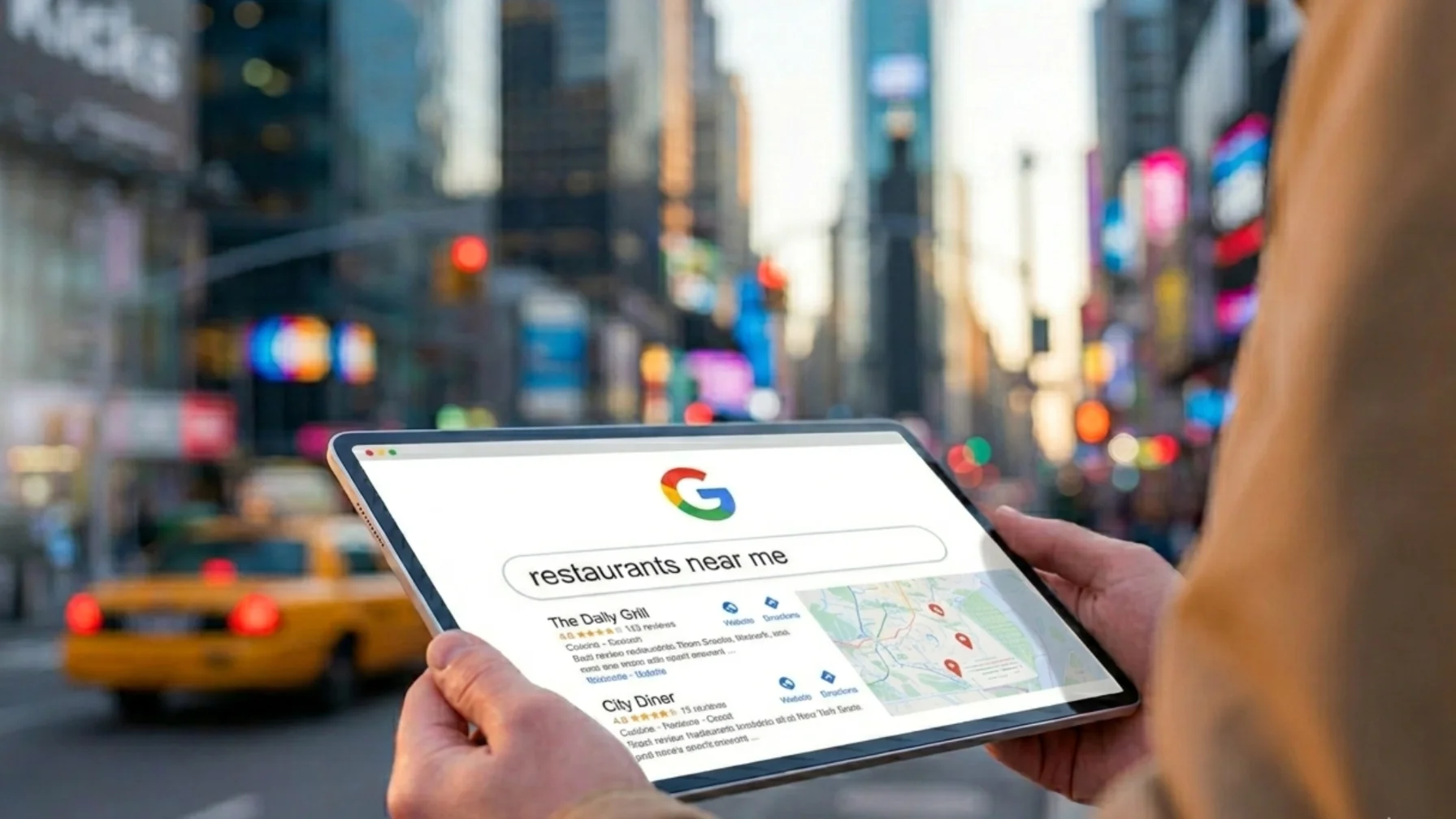
Nearly half of all Google searches have local intent. People are looking for places, services, and businesses near them right now. When your business doesn’t show up, you’re not just missing traffic, you’re missing real customers who are ready to act.
Local SEO is what puts you back in the picture. It helps your business appear at the exact moment someone nearby is searching for what you offer. And in 2026, that moment matters more than ever, as search engines rely heavily on location signals, trust, and real user behavior.
This local SEO checklist for 2026 is built to be practical and easy to follow. Just clear steps that work, even if SEO feels unfamiliar.
You’ll learn how to set up your online presence so it reflects a real, trustworthy business. You’ll see how to improve visibility on Google Maps, strengthen your local search rankings, and fix the small issues that quietly hold many businesses back.
If customers are searching nearby and choosing someone else, this guide shows you how to change that, step by step, in a way that actually makes sense.
Why Local SEO Matters More in 2026
Local SEO matters more in 2026 because how search engines judge businesses has fundamentally changed.
Rankings are no longer earned by those who use the right keywords most often. They are earned by those who look the most credible, relevant, and active in the real world.
Here are the core reasons driving that shift.
i) Business Legitimacy
Search engines are far more cautious about who they show to users.
They actively look for proof that a business actually exists, operates consistently, and serves real customers.
Clear business details, verified profiles, and consistent information across platforms signal stability. When those signals are missing or inconsistent, visibility drops even if your website is well-written.
In 2026, legitimacy isn’t assumed. It’s verified.
ii) User Trust
Trust is no longer just about customer reviews. It’s a signal for search engines, too.
How people interact with your business online matters:
- Do users leave reviews?
- Do they click, call, or request directions?
- Do they engage and return?
These actions tell search engines whether your business delivers on its promise. A trusted business gets shown more often. An ignored one slowly fades from the results.
iii) Location Relevance
Search engines now understand location with far greater accuracy.
They don’t just ask “Is this business in the city?”
They ask, “Is this business relevant to this exact area right now?”
Distance, service coverage, and proximity all play a role. Businesses that clearly define where they operate and back it up with consistent signals are rewarded with better local placement, especially in map results.
iv) Engagement Consistency
One-time optimization no longer works.
Search engines look for signs that your business is active and maintained over time. Regular updates, fresh photos, new reviews, and ongoing interactions all indicate that a business is still operating and paying attention.
Inactivity creates uncertainty. Consistency builds confidence.
How Local SEO Works
Local SEO works quietly in the background, long before a customer ever clicks on your business.
When someone nearby searches for a service, search engines don’t just scan the internet for matching words. They try to answer a much more human question: Which business is the best and most reliable option for this person, right here, right now?
To make that decision, Google looks at location signals, business details, and how people interact with your brand online. It studies whether your business feels real, relevant, and trusted, not just optimized on paper.
At the center of this process are three core factors. They work together, and when one is weak, the others struggle to carry the weight.
a) Proximity:
Proximity is the simplest part of local SEO, and also the one you control the least.
It measures how close your business is to the person searching. You can’t change where a customer stands when they pull out their phone. But you can make sure your address, map pin, and service area are accurate and clear.
When your location details are correct and consistent, search engines can place you confidently on the map. When they’re messy or unclear, visibility suffers.
b) Relevance:
Relevance answers a basic question: Are you actually what this person is looking for?
Search engines look at your business category, your listed services, and the content on your website to figure that out. Clear descriptions help. Specific service pages help. Vague or generic information does not.
The easier it is for Google to understand what you offer, the more likely it is to connect you with the right searches.
c) Prominence:
Prominence is about reputation.
It reflects how visible and trusted your business appears across the web. Reviews, mentions, links, and engagement all feed into this signal over time. A business that people talk about, review, and interact with sends a strong message of credibility.
This doesn’t happen overnight. Prominence grows as your business earns attention and trust consistently.
The Essential Local SEO Checklist for 2026
Follow these steps. They’re numbered for ease, like a to-do list. Aim to check them off one by one.
1) Lock Down Your Google Business Profile
Your Google Business Profile is where local visibility begins, and in many cases, where it ends if it’s not handled properly.
When this profile is incomplete, outdated, or loosely managed, every other local SEO effort has to work harder just to compensate.
A well-optimized profile, on the other hand, gives search engines a clear signal that your business is active, legitimate, and ready to serve local customers.

What to Check First
Start with the basics, because small details make a big difference here:
- Your business name should be written exactly as it appears in the real world, without extra keywords or unnecessary additions
- Your address and service area should be accurate and consistently formatted
- Your phone number should connect directly to your business and be actively monitored
- Your primary and secondary categories should clearly reflect what you actually do
Always choose the category that best represents your core service, even if another option sounds more competitive. Accuracy beats ambition in local SEO.
Optimize for Engagement
Once the foundation is solid, focus on activity and interaction.
- Upload real photos of your location, your team, and your work
- Keep business hours updated, especially around holidays or seasonal changes
- Share weekly posts, updates, or offers to show ongoing activity
Businesses that post regularly tend to attract more engagement, and that engagement often translates into stronger visibility on Google Maps over time.
2) Make NAP Consistency Non-Negotiable
NAP stands for Name, Address, and Phone number, and these three details must appear the same everywhere your business is mentioned online.
Even small differences, such as an extra space, a shortened name, or a different phone format, can weaken trust signals and confuse search engines about which information is correct.
Where to Check
Make sure your NAP details match across:
- Your website footer and contact page
- Business and local directories
- Social media profiles
- Your Google Business Profile
Create one official version of your business details and use it consistently, without exception.
3) Fix Your Website for Local Search First
Your website doesn’t need a flashy design or complex features to rank locally.
What it needs is clarity, speed, and strong local relevance so both users and search engines immediately understand who you serve and where you operate.
Core Pages You Must Have
Every locally focused website should include:
- A homepage that clearly mentions your location and services
- A contact page with an embedded map and clear contact details
- Service pages connected to specific locations or areas
- An about page that shows there are real people behind the business
Simple Local On-Page Fixes
You can strengthen local relevance by:
- Adding city or region names naturally within headings and content
- Using plain, straightforward language instead of keyword-heavy text
- Writing clear title tags and meta descriptions that reflect local intent
If your site loads slowly, address that first, because speed affects everything else.
Slow websites lead to:
- Lower rankings
- Higher bounce rates
- Fewer conversions
4) Create Location-Focused Service Pages
If your business serves more than one area, relying on a single service page limits your reach.
Each major location you serve should have its own dedicated page, written with that specific audience in mind.
What Each Page Should Include
A strong location page explains:
- The service is clear in simple terms
- Who the service is for in that area
- Real examples, use cases, or scenarios
- Clear directions, coverage details, or service boundaries
Avoid thin pages that exist only to rank. If you can’t provide at least 500 words of genuinely useful information, it’s better to merge locations instead of stretching content too far.
5) Build Trust With Reviews (Not Just Quantity)
Reviews influence how search engines rank you and how customers choose you.
They affect:
- Local rankings
- Click-through rates
- Purchase and contact decisions
In 2026, the freshness and quality of reviews matter more than chasing high numbers.

Review Best Practices
A strong review strategy includes:
- Asking for reviews after positive, completed interactions
- Responding to every review, including negative ones
- Writing responses in natural, human language
A thoughtful reply to a negative review often builds more trust than dozens of unanswered five-star ratings.
6) Use Local Content That Feels Human
Generic blog content no longer moves the needle for local SEO.
What works now is content that sounds like it was written by someone who understands the community and the people living in it.
Content Ideas That Work
Focus on content such as:
- Local guides and practical tips
- Case studies featuring nearby customers
- Coverage of local events or partnerships
- Industry insights tied directly to your region
This type of content signals real relevance, not just optimization.
7) Get Listed in the Right Local Directories
Not every directory listing helps your rankings.
Quality matters far more than quantity, so focus your efforts on directories that are trusted, relevant, and actively maintained.
What to Prioritize
Look for:
- Industry-specific directories
- Established local platforms
- Profiles that allow full, detailed listings
Avoid spammy directories created solely for link building, as they rarely add value.
What to Optimize
On each listing, make sure you include:
- A complete and accurate business description
- Correct categories
- Updated, real photos
8) Strengthen Internal Linking Strategically
Internal links help search engines understand how your website is structured and which pages matter most.
They also guide visitors naturally toward the information they need.
Link thoughtfully from:
- Blog posts to related service pages
- Service pages to your contact page
- Location pages for core services
Always use clear, descriptive anchor text so both users and search engines know what to expect.
9) Track Local SEO Performance Properly
Guesswork leads to wasted effort.
To improve local SEO, you need clear visibility into what’s working and what’s not.
Metrics to Watch
Pay close attention to:
- Map pack rankings
- Calls and direction requests
- Profile views and interactions
- Website traffic from local searches
Tools like Google Search Console and Google Analytics provide this data. Use them regularly, not just when something feels off.
10) Build Authority With Real Experience
Search engines are far better at spotting empty claims than they used to be.
What they reward now is proof.
How to Build Real Authority
Authority grows when you:
- Document your processes clearly
- Share before-and-after results
- Use screenshots or visuals where possible
- Explain what worked and what didn’t
This approach aligns naturally with modern EEAT expectations.
Authority isn’t announced. It’s earned through evidence.
11) Learn From What Industry Leaders Do Right
The strongest SEO content doesn’t just make claims; it shows how conclusions were reached.
Platforms like SEMrush and Backlinko stand out because they:
- Explain their methodology
- Use clear, practical examples
- Avoid vague or unsupported advice
You don’t need to copy their content. You need to adopt the discipline and clarity behind it.
12) Keep Your Local SEO Fresh
Local SEO is not something you set up once and forget.
It requires steady attention and small, consistent actions.
Monthly Maintenance Checklist
Each month, aim to:
- Add new photos
- Respond to recent reviews
- Publish or update business posts
- Check listings for accuracy
These small tasks compound over time, strengthening your visibility and trust long after the work is done.
Simplify Local SEO With AI Support
If you want an easier way to stay consistent without doing everything manually, Olitt Localforce helps you manage and optimize your local presence using AI from Google Business Profile updates to engagement insights, so you stay visible while focusing on running your business.

Conclusion
Local SEO in 2026 isn’t about chasing tricks or reacting to every algorithm update. It’s about building a strong, consistent presence that search engines trust and customers recognize.
When your business details are accurate, your website is clear, and your local activity stays consistent, visibility becomes a natural outcome, not a struggle.
The checklist you’ve just walked through is meant to be practical. You don’t need to do everything at once. Start with the basics, build momentum, and improve one step at a time. Small, steady actions compound into stronger rankings, more calls, and more customers walking through your door.
If you want to simplify the process and avoid juggling too many tools, Olitt gives you a solid foundation to build on. From creating a fast, professional website to managing your local presence with AI-powered tools like Localforce, Olitt helps you stay visible without the technical headache.