
Local search isn’t random anymore.
It’s not luck. And it’s definitely not “set it and forget it.”
Every time someone searches for a service near them, Google makes a decision fast. Who shows up first? Who gets the call? And who gets ignored.
That decision is based on signals.
If your business feels invisible on Google while competitors keep winning the clicks, there’s a reason for it.
Google Business Profiles don’t rank by chance. They rank based on how clear, relevant, and trustworthy your business looks in Google’s eyes.
That’s where most businesses get stuck.
They create a profile once. Fill in the basics. Then hope Google does the rest.
Meanwhile, others quietly optimize the details that actually move rankings and pull in the customers.
This guide is built to change that.
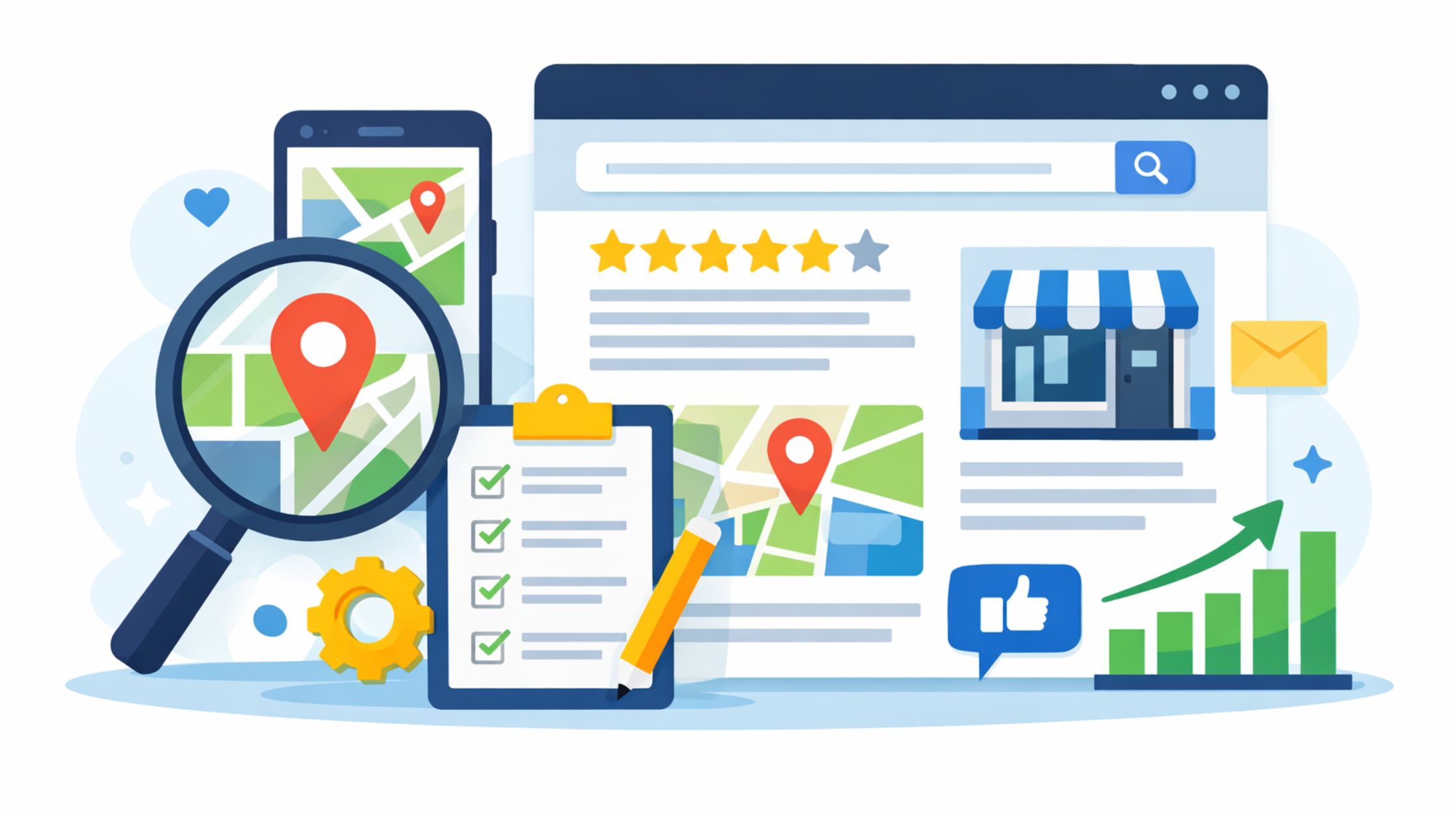
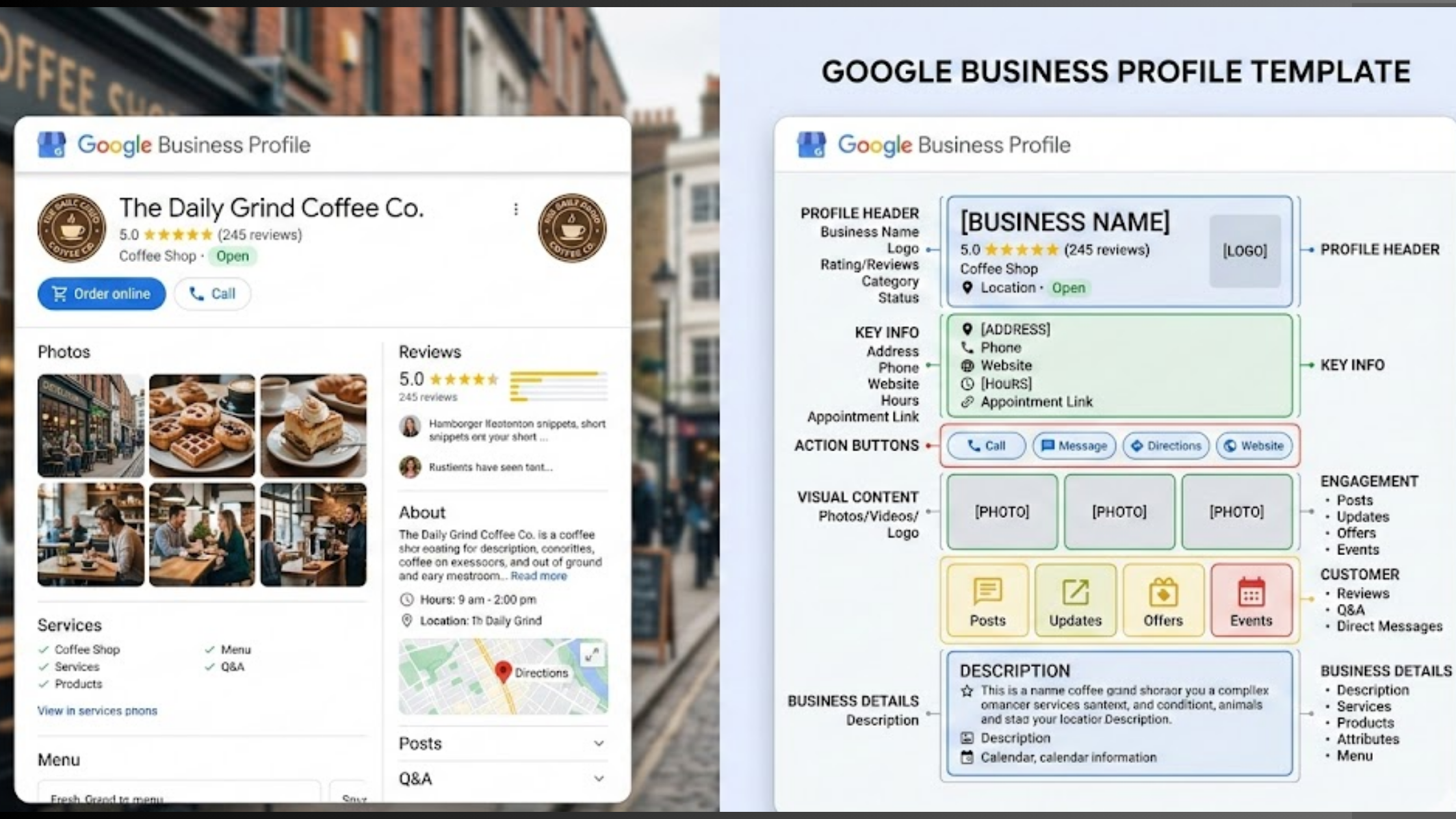
It breaks down the Google Business Profile ranking factors that influence where your business appears in local search results.
It uses practical explanations that show you how Google really evaluates local businesses and how tools like Olitt Localforce can help you manage, optimize, and keep your profile active along the way.
By the end of this guide, you’ll know how to:
- Understand how Google ranks business profiles in local search
- Identify the ranking factors that matter most today
- Optimize your profile without overcomplicating things
- Avoid common mistakes that silently hurt visibility
We’ll cover everything from categories and keywords to reviews, proximity, photos, and the negative signals Google doesn’t ignore.
If showing up on Google means more calls, more visits, and more sales, this is where you start.
How Does Google Business Profile Ranking Work?

Google doesn’t wake up and randomly shuffle local results just to keep things interesting. There’s a method behind every map pack result you see.
When someone searches for a service near them, Google instantly scans thousands of business profiles and asks one simple question:
Which businesses are most likely to solve this person’s problem right now?
To answer that, Google looks at three core pillars. Everything else you’ll read in this guide feeds into one (or more) of these.
The 3 Core Signals Google Uses
1) Relevance
This is about fit.
Google checks how closely your Google Business Profile matches what someone searched for.
If a person searches for “emergency plumber near me” and your profile screams “general handyman”, Google hesitates.
Relevance comes from:
- Your primary category
- Keywords in your business name
- Services and products listed
- Profile descriptions and updates
The clearer you are, the easier Google’s job becomes.
2) Distance
This is where location matters more than marketing.
Google looks at how close your business is to the searcher or the location mentioned in the search.
You could have glowing reviews and perfect optimization, but if you’re far away, distance can still hold you back.
That’s why:
- Two people searching the same thing in different areas see different results
- Virtual offices and fake addresses get flagged fast
- Accurate map placement is non-negotiable
Distance isn’t something you “optimize.”
It’s something you respect and work around.
3) Prominence
This is reputation online and offline.
Google wants to show businesses that people already trust. Prominence comes from:
- Review quantity, quality, and freshness
- How often is your business mentioned online
- Photos, posts, and activity on your profile
- Links to your website
In simple terms, prominence answers this question:
Does this business look established and active or forgotten?
Why This Is Important Before You Optimize Anything
Most businesses jump straight into tactics, adding photos, asking for reviews, and tweaking descriptions without understanding why those things are crucial.
That’s like fixing random parts of a car without knowing which light is actually on.
Once you understand how Google ranks profiles, every optimization decision becomes clearer. You stop guessing. You start prioritizing.
And that’s exactly what we’ll do next: break down each ranking factor and show how it feeds into relevance, distance, or prominence.
See also: AI for WordPress SEO: 7 Tools To Automate Your Optimization Efforts!
Google Business Profile Ranking Factors
Let’s get one thing straight.

Not all ranking factors carry the same weight. Some move the needle fast.
Others help in the background. And a few? They barely help unless everything else is already solid.
Below are the Google Business Profile ranking factors that actually influence visibility in local search, broken down in plain language, with no fluff and no guesswork.
1) Primary Google Business Profile Category
If Google had to pick one signal to understand your business, this would be it.
Your primary category tells Google what you do not what you sell, not your slogan, not your specialties. Just your core service.
Choose wrong here, and every other optimization becomes harder.
Google relies on categories to match searches with businesses. If your category doesn’t line up with what people are searching for, Google struggles to connect the dots.
For example:
- A “Dental Clinic” ranks more easily for dental searches than a “Medical Center”
- A “Plumber” outranks a “Home Services Company” for plumbing-related queries
Specific beats broad. Every time.
How to optimize it
- Pick the category that describes your main service, not everything you do
- Look at top-ranking competitors and note their primary category
- Add secondary categories only when they truly apply
Common mistakes to avoid
- Choosing a category because it sounds good
- Stuffing categories with loosely related services
- Switching categories too often (this can reset progress)
2) Keyword in Business Title
Your business name is powerful but also dangerous if abused.
Google uses the business title to understand relevance. That’s why businesses with keywords in their names often rank faster.
But here’s the catch: forced keywords can get you suspended.
A business called “Citywide Emergency Plumbers” naturally signals relevance for plumbing searches. Google doesn’t need to guess.
That said, Google expects honesty.
Best practices
- Use your real-world business name only
- If your legal name includes a keyword, you’re fine
- Avoid adding locations, services, or slogans unless they’re part of your registered name
What not to do
- Adding “Best,” “Cheap,” or service lists to your name
- Copying keyword-stuffed competitor names
- Editing your name just for rankings
Short-term gains often lead to long-term problems.
3) Website Link
Your Google Business Profile doesn’t exist in isolation.
Your website acts like a support system, confirming details and adding trust signals Google can verify.
A connected website helps Google:
- Confirm your services
- Understand your location
- Evaluate authority and credibility
Think of your website as the “proof” behind your profile.
How to optimize
- Link to a page that clearly represents your business
- Make sure your name, address, and phone number match your profile
- Use location-based content where relevant
A strong website won’t fix a weak profile, but it amplifies a good one.
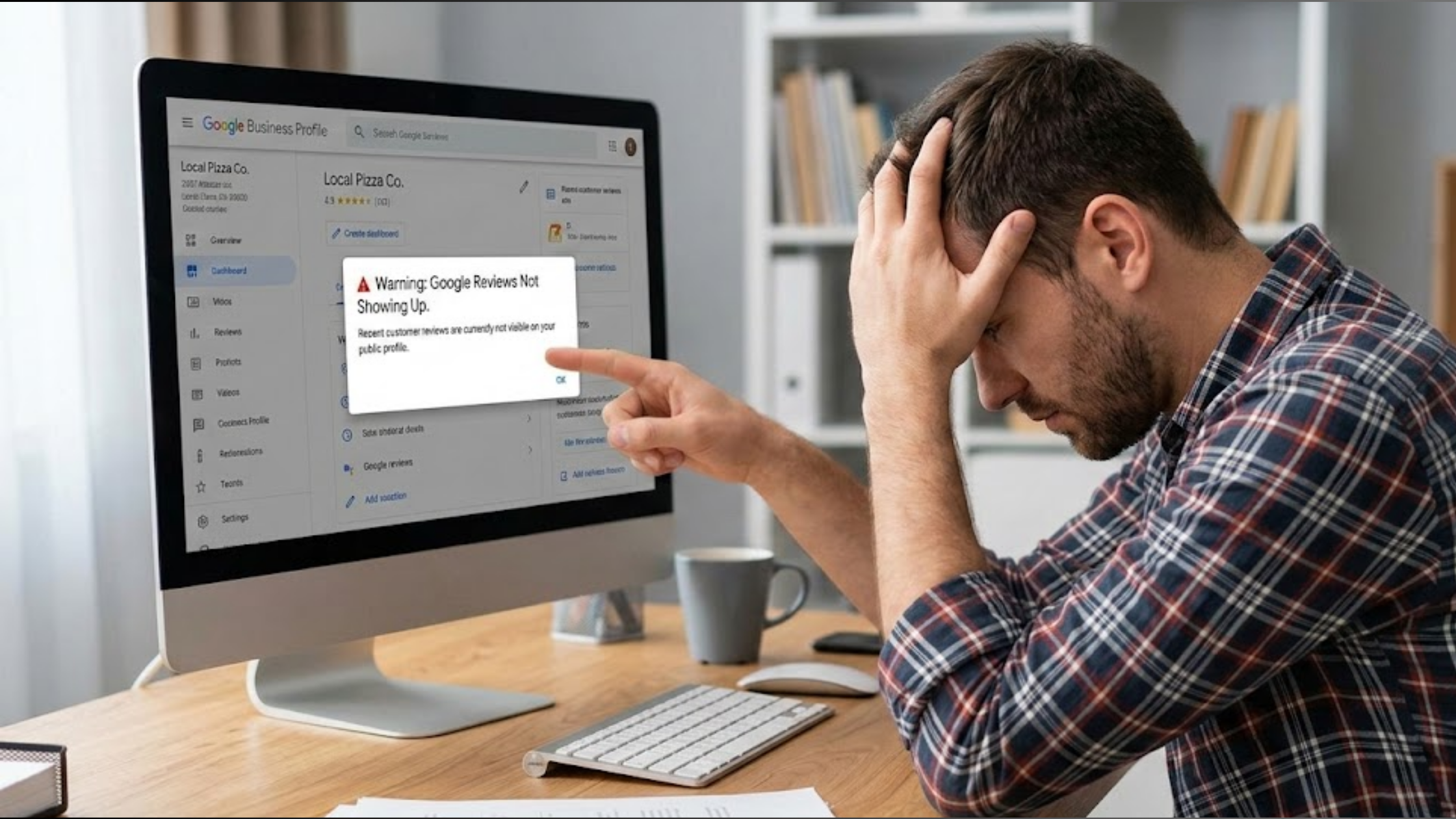
4) Positive Google Reviews
Reviews aren’t just social proof. They’re ranking fuel.
Google watches how many reviews you have, how good they are, and how often new ones come in.
Reviews tell Google:
- People actually use this business
- Customers trust the service
- The business is still active

Using Olitt Localforce, you can monitor reviews in one place and get reminders to respond, making it easier to maintain consistent trust signals.
What works best
- Steady review growth over time
- Detailed reviews (not just “Great service”)
- Owner responses to reviews yes, even negative ones
What hurts
- Fake reviews
- Review gating
- Ignoring feedback completely
Silence looks suspicious.
5) Proximity to Searchers
This one’s out of your control but not out of your strategy.
Google prioritizes businesses closest to the searcher’s location or the area mentioned in the search.
What this means for you
- Rankings change depending on where someone searches from
- You won’t rank everywhere and that’s normal
- Local dominance beats broad reach
Smart approach
- Optimize for the areas you actually serve
- Be honest about your location
- Avoid virtual offices or fake addresses
Distance can’t be gamed for long.
6) Accurate Location on Maps
If Google can’t confidently place your business on the map, everything else starts to wobble.
Your pin location isn’t just a visual detail. It’s how Google confirms you exist where you say you do.
When your address, map pin, and service area line up, Google feels safe showing your business to nearby searchers.
When they don’t? Rankings slip or the profile gets flagged.
This usually happens when:
- The pin is dropped on the wrong building
- The address doesn’t match real-world signage
- The business operates from a shared or unclear location
How to get it right
- Place the pin exactly where customers enter your business
- Use a real, verifiable address
- Make sure signage matches your profile name
A clean map location builds trust. A messy one raises questions.
7) Google Business Profile Photos
Photos aren’t just for looks. They’re proof.
They show Google and customers that your business is real, active, and open for business.
Profiles with regular photo uploads tend to get:
- More clicks
- More direction requests
- More calls
Google notices engagement. And photos drive it.
What types of photos work best
- Exterior shots (street view, entrance)
- Interior photos (workspace, seating, equipment)
- Team photos
- Real work in progress
Stock photos don’t help here. Real beats polished every time.
With Olitt Localforce, you can plan and upload photos consistently and see which images attract the most attention.
Pro tip
Upload photos consistently, not all at once. Activity signals is important.
8) Regular Google Business Profile Posts
Posting on your profile is like tapping Google on the shoulder and saying, “Hey, we’re still here.”
Posts show freshness. They signal activity. And they help reinforce relevance for your services.
They’re especially useful for:
- Announcements
- Offers
- Seasonal updates
- Service highlights
How often should you post?
Once a week is more than enough.
Olitt Localforce can help you schedule posts, highlight offers, and track engagement, keeping your profile active without the extra effort.
Keep posts:
- Short
- Clear
- Useful
No essays. No hard selling. Just helpful updates.
9) Products or Services
This section is criminally underused.
Most businesses skip it or fill it halfway. That’s a missed opportunity.
Your listed services help Google understand:
- What you actually offer
- Which searches you should appear for
- How specific your relevance is
The more clarity you provide, the less Google has to guess.
How to optimize
- Add all core services or products
- Write short, natural descriptions
- Avoid keyword stuffing
Clear beats clever.
10) Negative Ranking Factors
Now for the stuff that quietly drags profiles down.
These aren’t always obvious. But they’re incredibly common.
What hurts your rankings
- Keyword stuffing in the business name
- Fake addresses or virtual offices
- Inconsistent business information online
- Duplicate listings
- Spammy behavior (fake reviews, fake updates)
Some of these don’t just hurt rankings they can lead to suspension.
Simple rule
If something wouldn’t make sense to a real customer, it probably doesn’t make sense to Google either.
11) Google Business Openness
Google likes businesses that look… open.
Not just physically but operationally.
Accurate hours tell Google:
- Customers can rely on this business
- The profile is actively managed
- There’s less risk of bad user experience
Businesses with outdated hours lose trust fast.
Best practices
- Update holiday hours in advance
- Remove “24/7” unless it’s truly accurate
- Adjust hours if your schedule changes
An open business looks dependable. Dependable businesses rank better.
See also: GMB Optimization (How to Rank Google Business Profiles Fast)
Final Thoughts
Ranking a Google Business Profile isn’t about ticking boxes.
It’s about sending clear, consistent signals that show Google you’re relevant and trustworthy.
Every factor in this guide, from the right category and accurate location to reviews and regular posts, helps Google evaluate your business.
Want to make this easier? Olitt Localforce helps you optimize and manage your profile.
It suggests updates, handles posts and reviews, and gives insights so your profile keeps improving.
In local search, clarity wins. Keep your profile accurate and active, and Google will reward you with visibility.
Boost your local reach today with Olitt Localforce.