
You can land a big project just because a potential client found your site on their phone during a quick break.
That’s the power of smart construction company website design today. You run a busy construction firm, juggling bids, crews, and deadlines.
Yet, without a strong online presence, you miss out on clients who search for services like yours every day.
Many construction owners struggle with outdated sites that load slowly or confuse visitors.
They lose leads to competitors with sleek, easy-to-use pages. You don’t want that.
This guide shows you exactly what to include in your construction company website design for 2025 success.
You’ll get a clear checklist with practical tips to build trust, showcase your work, and turn visitors into clients.
Think mobile-friendly layouts, project galleries, and simple contact forms.
Plus, discover how tools like Olitt AI for construction can make it all easier with smart, automated features.
Here’s what we’ll cover:
- Mobile-first designs that work on any device
- Portfolios that highlight your best projects
- Service pages optimized for search
- Easy ways for clients to reach you
- Testimonials that build credibility
- A blog to share your expertise
- Sections that humanize your team
- Optional portals for client updates
- Interactive tools to engage visitors
- How great design boosts trust and sales
- Strategies to win more work online
Ready to upgrade? Let’s get started.
1) Mobile-First and Responsive Experience
You know construction pros check sites on phones from job sites. A mobile-first approach puts that first. It means designing for small screens, then scaling up.
Why bother? Over 60% of web traffic comes from mobiles. Google ranks mobile-friendly sites higher too. If your site pinches and zooms, visitors bounce fast.
Start with responsive design. It adjusts layouts automatically. Use flexible grids and images that resize. Test on real devices, not just simulators.
- Common pitfall: Slow loading times kill interest. Compress images and cut extra code.
Olitt AI handles this for you. It builds responsive sites with AI, ensuring fast loads even on spotty connections. No coding needed—just tell it your needs.
Add touch-friendly buttons. Make them big enough for thumbs. Navigation should slide out simply, not overwhelm.
In 2025, voice search rises. Optimize for it with natural phrases like “best local builders near me.”
Result? More site visits turn into calls. Your construction company website design feels modern and reliable.
2) Construction Project Portfolio with Context
Your portfolio shows what you can do. Don’t just dump photos—add stories. Clients want to see results.
Feature high-quality images of finished projects. Include before-and-after shots. Label each with details: project type, location, challenges solved.
For example, “Renovated downtown office—cut costs 15% with smart material choices.” Add metrics like timelines met or budgets saved.
Organize by categories: residential, commercial, renovations. Use filters so visitors find what matches their needs.
SEO tip: Add alt text to images, like “modern construction company website design portfolio example.” It helps search engines.
Make it interactive. Clickable galleries let users zoom or swipe. Videos of walkthroughs add life.
- Pitfall to avoid: Low-res pics. They scream unprofessional.
With Olitt AI you can create dynamic portfolios. AI suggests layouts and even pulls in project data automatically.
This builds trust. Clients see proof of your skills, making them more likely to contact you.
3) Detailed, AEO & SEO-Optimized Service Pages
Service pages explain what you offer. Make them clear and findable.
Structure each page around one service, like “Commercial Building.” Use headings for subtopics: process, benefits, examples.
Answer questions upfront. What does it cost? How long? Use FAQs at the bottom.
For SEO, weave in keywords naturally. Research terms like “construction company website design services.” Place them in titles and intros.
AEO means answering engines like Google. Write for voice queries: “How do I hire a builder?”
Add schema markup. It helps search results show rich snippets, like star ratings.
- Tip: Keep content fresh. Update with 2025 trends, like green building methods.
This is where OLITT AI shines!
It optimizes pages automatically. It suggests keywords and structures content for better rankings.
Short paragraphs help. Break text with bullets:
- List materials used
- Highlight safety standards
- Share success stories
This way, visitors grasp your value quickly.


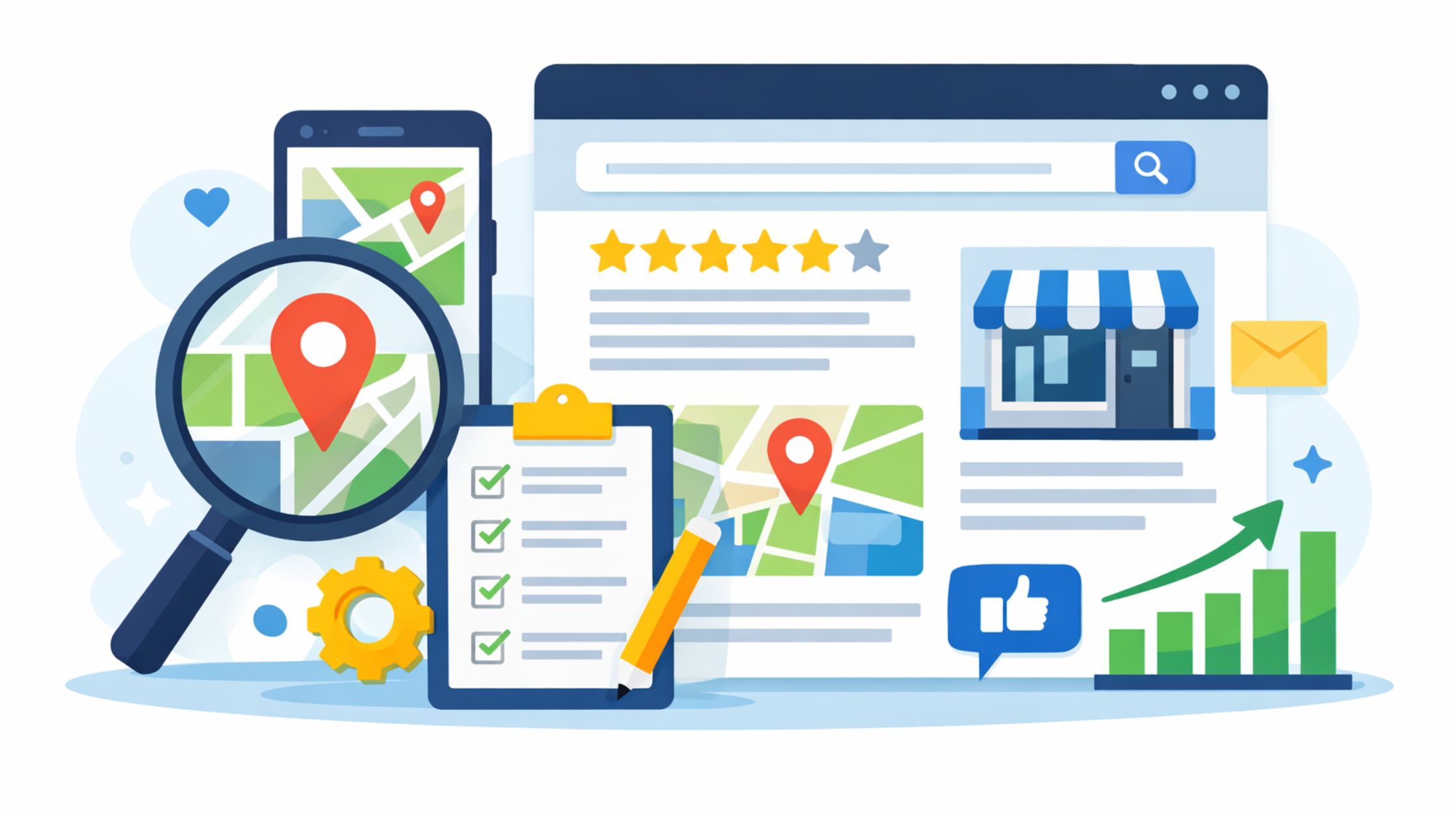
Turn Google Searches into Walk-In Customers
Stop losing clients to your competitors. Rank higher on Google Maps and attract ready-to-buy local customers with our proven Local SEO system.
4) Intuitive Contact Features and Drivable CTAs
Getting in touch should be effortless. Place contact info everywhere—header, footer, sidebars.
Use simple forms: name, email, message. Add fields for project type to qualify leads.
Chatbots help too. They answer basics like “What’s your availability?” around the clock.
CTAs guide action. Buttons like “Request a Quote” stand out in bold colors. Put them after portfolios or services.
Make them specific: “Start Your Project Today” beats “Contact Us.”
- Avoid: Hidden info. Clients hate hunting for phone numbers.
Integrate maps for your office. Click-to-call on mobiles speeds things up.
Olitt AI’s adds personalized chatbots. They learn from your data to suggest next steps.
Track what works. Use analytics to see which CTAs get clicks.
Result? More inquiries, fewer lost opportunities.
5) Blog or Resource Hub for Thought Leadership
A blog positions you as an expert. Share tips on trends, like sustainable materials in 2025.
Post regularly: once a week or month. Topics: “How to Choose a Contractor” or “2025 Building Codes Explained.”
Set up categories: tips, news, case studies. Add a search bar.
Promote with email sign-ups. “Get our latest insights delivered.”
- Avoid repetition: Vary post lengths and styles.
Olitt AI generates ideas and drafts. It tailors content to construction, saving time.
Benefits: Drives traffic via SEO. Builds long-term trust.
End posts with CTAs: “Ready to discuss your project? Contact us.”
Your audience learns from you, then hires you.
6) Humanizing Features: About & Team Sections
People buy from people. Show your team’s faces.
About page: Tell your story. How you started, your values, like safety first.
Team section: Bios with photos. “Meet Mike, our lead carpenter with 20 years’ experience.”
Add fun facts: “Loves hiking on weekends.”
- Tip: Highlight certifications, like LEED for green builds.
This builds emotional ties. Clients feel connected.
Olitt AI personalizes these. Use /construction to create engaging profiles with AI suggestions.
Keep it concise. Short paragraphs per person.
In 2025, authenticity wins. Skip stock photos—use real ones.
7) Project Management or Client Portals (Optional but Powerful)
For bigger firms, portals keep clients updated.
Features: Track progress, share files, view invoices.
Security matters: Use logins and encryption.
Benefits: Saves calls, boosts satisfaction.
- When to add: If you handle ongoing projects.
Setup is simple with tools. Olitt AI integrates portals easily.
Customize access: Clients see only their info.
This sets you apart. Clients love transparency.
If not ready, start small with email updates.
8) Using Interactive Tools & Calculators
Engage visitors with tools. A cost estimator lets them input details for rough quotes.
Examples: Material selectors or timeline planners.
Boost time on site. Capture emails: “Enter details for your estimate.”
Mobile-friendly is key.
- Implementation: Embed simple scripts.
Olitt AI adds these via /construction. AI powers accurate, dynamic tools.
In 2025, AR previews rise. Let users visualize builds.
Conversions soar—visitors become leads.
Avoid overload. Pick 1-2 tools that fit your services.
9) How Design and Functionality Increase Trust and Drive Conversions
Good design signals reliability. Clean layouts say “professional.”
UX principles: Fast navigation, clear paths to info.
Psychology: Consistent colors build familiarity.
Test with A/B: Try different CTAs, see what converts better.
ROI: Sites with strong design see 27% better leads.
- Example: A slow site loses 40% of visitors.
Functionality like quick forms reduces drop-offs.
Track with tools: Google Analytics shows bounce rates.
In construction, trust is everything. Your site must reflect that.
Update for trends: Add sustainability badges.
Result? More bids won, happier clients.
10) Strategy-Backed Web Design That Wins Work for Construction Companies
Tie design to goals: More leads? Focus on CTAs.
Common mistakes: Cluttered pages, no mobile optimization.
Plan holistically: Audit your current site first.
Future-proof: Embrace AI for updates.
We at Olitt understand this deeply. That’s why our AI tools streamline the process.
Involve your team: Get input on what clients ask.
Budget wisely: Good design pays off fast.
Monitor performance: Adjust based on data.
This approach turns your site into a lead machine.
Your 2025 Construction Website Checklist and Next Steps
You’ve got the blueprint. Now build it.
Here’s your quick checklist:
- Mobile-first responsive design
- Detailed project portfolio with stories
- SEO-optimized service pages
- Easy contact forms and CTAs
- Authentic testimonials
- Blog for expertise sharing
- About and team sections
- Client portals if needed
- Interactive tools like calculators
- Trust-building design elements
- Overall strategy for conversions
Audit your site today. Spot gaps, then fix them.
For help, check Olitt AI. It makes creating a top-notch construction company website design simple and affordable.
Invest now—watch your business grow in 2025. What’s your first step?