
You pour your heart into creating amazing art every day, but here’s the big question: how many people actually get to see it?
Studies show that over 70% of art buyers now start their search online, which means if you don’t have a strong digital presence, your work could be invisible to the very people who’d love to own it.
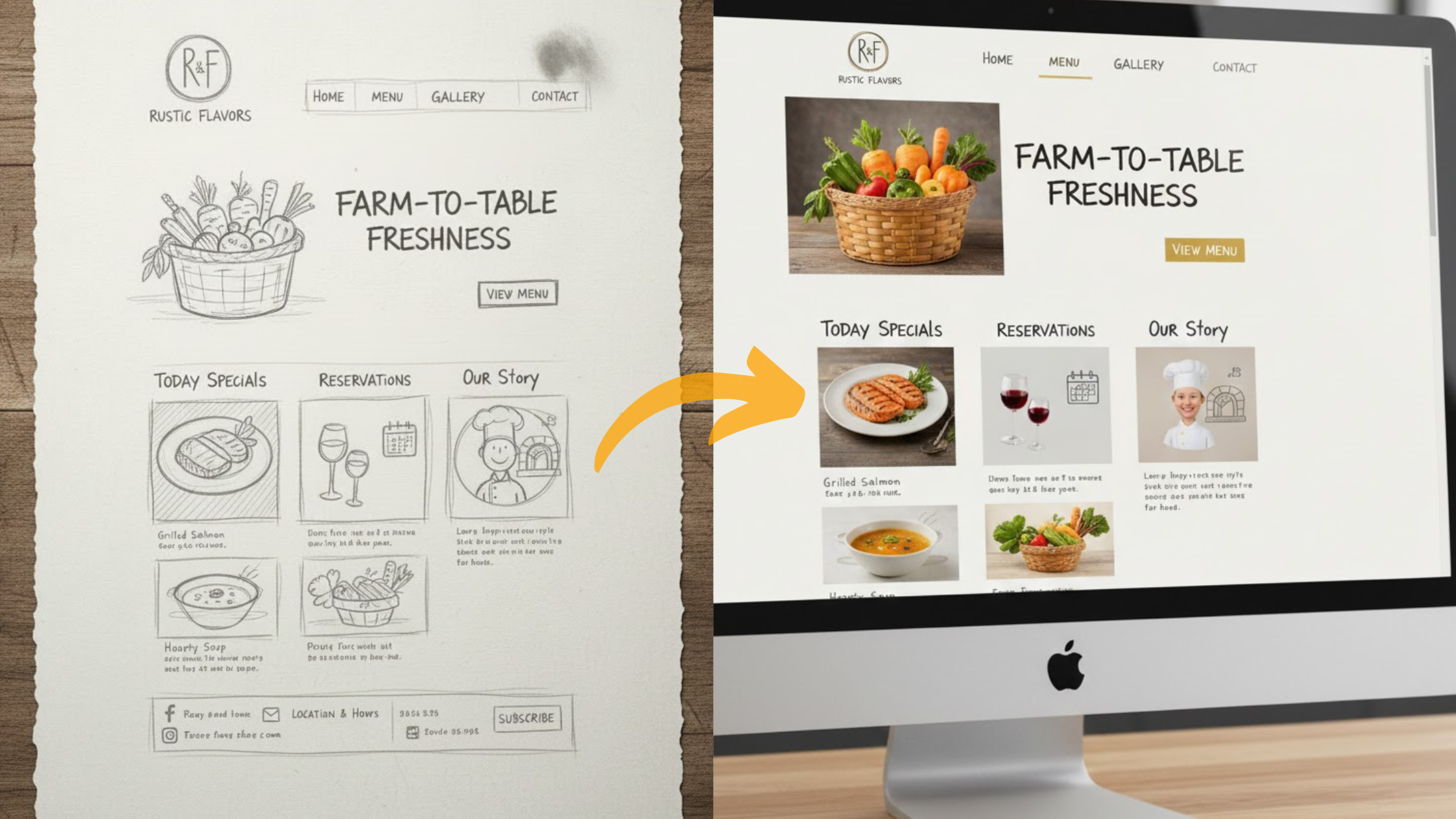
That’s where an artist website builder changes everything. Instead of wrestling with code or confusing setups, these tools let you launch a professional site in minutes. AI takes care of the heavy lifting, so you can focus on what you do best: creating.
In this guide, we’ll compare the top platforms built for artists like you, simple, affordable, and packed with features to showcase your portfolio and sell your work. Ready to turn your sketches into sales? Let’s dive in.
Why You Need an Artist Website Builder
Your art deserves more than just a passing scroll on social media.
An artist website builder gives you a professional space where your work stands out, your brand grows, and opportunities come to you.
Instead of battling social media algorithms that hide your posts, you create a home that’s fully yours.
Here are five key reasons why you need one:
1) Build a Professional Brand
Your website is your digital business card. It shows collectors, galleries, and clients that you take your craft seriously.
First impressions matter, and a polished site instantly makes you look more credible than a social media profile alone.
2) Showcase Your Work Without Limits
Social media crops images, compresses quality, and decides who sees your posts. On your own site, you control the gallery.
You can display high-resolution images, organize by series or medium, and tell the story behind each piece.
3) Sell Art and Take Commissions Directly
Think of your website as your personal online store. With built-in e-commerce tools, you can:
?️Sell prints and originals
?️Accept commission requests
?️Offer digital downloads or tutorials
This means buyers can support you directly, no middlemen, no platform cuts.
4) Connect With Collectors and Fans
An artist’s website lets people reach out without getting lost in DMs.
Contact forms, mailing lists, and booking options make it simple to stay in touch. It becomes the central hub where your audience always knows where to find you.
5) Save Time With AI-Powered Tools
Traditional websites used to take weeks (and lots of coding) to build. Now, AI-powered website builders do the heavy lifting:
?️Generate layouts personalized to your style
?️Write starter text for your bio and artwork descriptions
?️Suggest images and color themes that fit your brand
In just hours, you can go from idea to a live gallery, no tech headaches required.
Key Features to Look For in an Artist Website Builder
Not every website builder is created equal. As an artist, you need a platform that highlights your work and makes it easy for fans, collectors, and clients to engage with you.
When choosing, focus on the features that matter most to creatives:
1) Portfolio Galleries That Do Your Art Justice
Your portfolio is the heart of your site. Look for:
?️Drag-and-drop editors so you can arrange images without coding.
?️High-resolution display to showcase every detail without compression or distortion.
?️Flexible layouts (grids, slideshows, or full-screen views) to match your artistic style.
A strong gallery feature ensures your work shines online just like it does in person.
2) E-Commerce Tools for Selling Art and Merch
Your website isn’t just for display. It can be a shop, too. Essential e-commerce basics include:
?️Secure checkout with multiple payment options.
?️Inventory management (helpful if you sell limited prints).
?️Options for physical items (paintings, merch) and digital downloads.
This turns your site into a revenue stream, not just a portfolio.
3) Mobile Optimization for Fans on the Go
Most of your visitors will browse from their phones. If your site isn’t mobile-friendly, you risk losing them. A good builder should:
?️Automatically resize images for small screens.
?️Keep menus easy to tap and use.
?️Ensure checkout works smoothly on mobile.
Think of it as designing for the pocket-sized gallery in your audience’s hands.
4) SEO Tools to Get Discovered
What’s the point of a stunning site if no one finds it? Built-in SEO tools help you rank when people search terms like “abstract painter near me” or “custom portrait artist.”
Look for features like:
?️Editable titles, meta descriptions, and image alt text.
?️Automatic sitemaps for search engines.
?️Speed optimization so pages load quickly.
With these tools, your site doesn’t just exist; it gets seen.
5) AI Smarts to Save Time
AI-powered builders cut down the work of building your site. With a few prompts, they can:
?️Generate starter text for your artist bio or artwork descriptions.
?️Suggest layouts and color palettes based on your style.
?️Auto-fill sections like FAQs or contact info.
This means you spend less time on tech and more time creating art.
Red Flags to Avoid
❌Clunky editors that make every change a struggle.
❌Hidden fees for basics like hosting, SSL certificates, or storage.
❌Limited free trials that don’t show you the real features.
Top 7 AI Artist Website Builders in 2025
We tested the most popular AI website builders based on ease of use, design quality, e-commerce options, and artist-focused features.
Each shines in its own way, whether you want a quick portfolio, a gallery-style showcase, or a full-fledged online art store.
Let’s go deeper into each option.
1) Olitt AI

Best for: fast, budget-friendly artist websites
Olitt AI is built for speed and simplicity. You don’t need tech skills; type a prompt like “gallery site for a modern oil painter with shop” and the AI instantly generates pages, text, and layouts. From there, you drag and drop to refine.
Strengths:
✔Affordable: Free plan + low-cost hosting included (no surprise fees).
✔SEO-ready: Sites load fast and are optimized for search engines.
✔Built-in shop: Sell prints, merch, or commissions with simple checkout.
✔Beginner-friendly: Very little learning curve compared to complex editors.
Limitations:
▪️Limited advanced animations or visual effects.
▪️Smaller app marketplace compared to Wix or Shopify.
Best fit: artists, illustrators, or photographers who want to launch a professional-looking portfolio with a store in hours, not weeks.
If you’re just starting, Olitt AI gives you the lowest barrier to entry without sacrificing professionalism.
2) Squarespace

Best for: polished, gallery-style portfolios
Squarespace is known for its refined design templates that make your work look like it belongs in an art book.
With Blueprint AI, it goes further; you describe your vision, and the AI builds a customized template that highlights your work.
Strengths:
✔Design flexibility: Professional-grade templates with grid systems, custom fonts, and color palettes.
✔Built-in blog & storytelling tools: Perfect for sharing your artistic journey.
✔Strong mobile optimization: Your galleries look clean across devices.
✔Credibility boost: Polished sites help when applying for exhibitions or grants.
Limitations:
?️More expensive than beginner-friendly tools.
?️Slightly steeper learning curve if you want deep customization.
Best fit: artists aiming for a gallery-level online presence, particularly those planning exhibitions, working with collectors, or applying to residencies.
3) Wix

Best for: artists who want maximum control
Wix offers two paths:
✔Wix ADI (Artificial Design Intelligence): builds your site after a quick Q&A.
✔Advanced Editor: lets you tweak every detail with drag-and-drop freedom.
AI also helps generate bios, resize photos, and suggest layouts.
Strengths:
▫️Huge template library: 800+ options, many designed for creatives.
▫️App marketplace: Add booking forms, email lists, event calendars, and more.
▫️Flexible plans: Free tier available for testing before upgrading.
Limitations:
◾Storage limits on cheaper plans (watch out if uploading many high-res images).
◾Can feel overwhelming with so many features.
Best fit: artists who love experimenting, blending portfolios with events, bookings, or email marketing campaigns.
4) Hostinger Website Builder

Best for: beginners who want value
Hostinger balances affordability and speed. It comes bundled with hosting, and the AI tools help refine your site quickly.
Features include AI heatmaps (to see which parts of your site visitors click most), content suggestions, and automatic image optimization.
Strengths:
?️Low cost: One of the cheapest ways to launch.
?️Free domain (1st year): Great perk for new artists.
?️Reliable hosting: Known for fast speeds and uptime.
?️Beginner-friendly setup: Clean drag-and-drop interface.
Limitations:
❌Lacks the depth of design control that Squarespace or Wix offer.
❌Templates are more generic compared to artist-first platforms.
Best fit: side-hustle artists or students testing online sales for the first time.
5) Shopify

Best for: professional artists focused on sales
Shopify is less about showcasing art and more about selling it at scale. If your art practice is also your main business, this is the tool for you.
AI helps by suggesting store themes, writing product descriptions, and optimizing for conversions.
Strengths:
▫️Handles heavy traffic: Reliable checkout even during high sales.
▫️Inventory tools: Track limited editions, custom sizes, or print runs.
▫️Multichannel sales: Sync your store with Instagram, TikTok, or Etsy.
▫️Print-on-demand: Connect to partners for merch or apparel.
Limitations:
▫️Overkill (and costly) if you just want a small portfolio.
▫️Fewer art-specific design templates compared to Squarespace or Wix.
Best fit: established artists, printmakers, or studios turning art into a serious e-commerce business.
6) Pixpa
Best for: photographers & illustrators who prioritize showcasing
Pixpa was designed with creatives in mind. Its AI tools automatically build galleries from your uploads and provide client proofing features that let buyers or collaborators approve work securely.
Strengths:
?️Artist-focused features: watermarking, download protection, and proofing galleries.
?️All-in-one platform: Blog, portfolio, and store bundled together.
?️Video support: Great for multimedia artists.
Limitations:
?️E-commerce is less advanced than Shopify or Wix.
?️Templates feel more rigid compared to Squarespace.
Best fit: photographers, illustrators, and multimedia artists who value showcasing over selling.
7) Format

Best for: freelancers and niche artists
Format is a simplified builder built specifically for creatives. Its AI gently refines layouts while keeping your art front and center.
Strengths:
?️Proofing workflows: Smooth for commissions and client projects.
?️Minimalist templates: Keep the focus on your work, not the site.
?️Affordable custom domains: Easier branding without heavy costs.
Limitations:
?️Smaller ecosystem, fewer add-ons compared to Wix or Shopify.
?️Limited blogging tools.
Best fit: freelancers and independent artists juggling multiple client projects who want a no-fuss, artist-first platform.
Launch a Simple Artist Website in 4 Steps
Building your own artist website doesn’t have to be overwhelming. With today’s AI-powered tools, you can go from “idea” to “live gallery” in less than a day. Here’s how to do it right:
Step 1: Choose the Right Website Builder
Pick a builder designed for speed and simplicity. If you want the fastest setup, Olitt AI is a top choice.
You just type a short prompt, something like “portfolio site for a digital painter with an online shop”, and the AI generates the layout, pages, and even sample text.
Other builders (Squarespace, Wix, Pixpa) work too, but if time and budget are tight, go for one that bundles hosting, SEO, and ecommerce in one package.
Step 2: Prep Your Artwork for the Web
Before you upload, curate your gallery. Aim for 20–30 strong images that reflect your best work:
▫️Save web-resolution files (smaller size, faster loading) for your site.
▫️Keep original high-res versions for print sales or client requests.
▫️Organize by series, theme, or medium so your site feels like a gallery, not just a photo dump.
Think of it as setting the stage; your art should look as professional online as it does in person.
Step 3: Let AI Do the Heavy Lifting
This is where AI shines. Use your builder’s smart tools to:
?️Generate a layout that matches your style (minimalist, vibrant, edgy).
?️Draft copy for your homepage, bio, and artwork descriptions.
?️Suggest design themes, colors, fonts, and page structures that match your vibe.
Even if you’re not a “tech” person, AI turns a blank page into a ready-to-edit site in minutes.
Step 4: Refine, Price, and Publish
Now add the personal touches that make your site truly yours:
▪️Arrange your gallery order (start with your strongest work)
▪️Add titles, years, and short captions for context.
▪️Set prices if you’re selling prints, originals, or digital downloads.
▪️Double-check mobile previews, most fans will view your site on their phone.
Once everything feels right, hit publish. Congrats, your art is now live in its own 24/7 gallery, ready to attract collectors, clients, and fans while you focus on creating.
Conclusion
Building an online home for your art doesn’t have to be complicated or expensive. With the right artist website builder, you can showcase your portfolio, sell your work, and connect with fans, all in one place.
If speed and simplicity matter most, Olitt AI is your best bet. In just minutes, you can turn a simple idea into a professional website tailored to your style.
? Ready to put your art in the spotlight?
Try Olitt’s Artist Website Builder Today