
Why do some websites seem to earn Google’s trust faster than others?
What makes one site look established and reliable, while another feels brand new and invisible?
And how can you tell how long a website has really been around?
The answers aren’t always obvious, but one clue is often overlooked: domain age.
Every website has a history, even if it looks new on the surface. A domain age checker helps you uncover that history by showing exactly when a domain was first registered and how long it has existed online. It’s like checking the “birth date” of a website.
This isn’t just for curiosity’s sake. Knowing a domain’s age can shape smarter SEO decisions, help you judge a website’s credibility, and guide you when buying or competing against other sites online.
In this article, you’ll learn what domain age checkers are, how they work, why domain age matters, and how to check how old a website really is, so you can make confident, informed decisions every time you evaluate a domain.
What Is Domain Age?
Domain age refers to the length of time a domain name has been registered online.
It starts counting from the exact day the domain was first registered.
For example, a domain registered in 2010 is now over 15 years old, even if the website was redesigned or updated recently. Domain age is usually measured in years, months, and days.

It’s important not to confuse domain age with website age. A domain can be registered and left unused for years before any content is published. In that case, the domain is old, but the website itself is new.
Why Check a Website’s Age?
Before you trust a website, work with it, or compete against it, one simple check can tell you a lot: how old is it?
That’s where a domain age checker becomes useful.
Here are the key reasons why checking a website’s age matters.
a) Trust and credibility
Older websites often feel more reliable. They’ve been around, survived updates, and built a track record.
For online stores, payment platforms, or service websites, a newly registered domain can be a warning sign, especially if it’s requesting personal or financial details.
b) Better SEO understanding
Domain age can offer valuable SEO clues. Older domains usually have more time to build content, backlinks, and authority. While age alone doesn’t guarantee rankings, it often explains why certain websites perform better in search results.
c) Smarter domain buying decisions
If you’re considering buying an expired or existing domain, age matters.
An older domain may already have backlinks and search visibility. Checking its age, along with its history, helps you avoid bad investments.
d) Competitor insights
Want to know why a competitor is ahead of you? Checking how long their domain has existed gives you context.
A site that’s been active for 10 years has had more time to grow than one launched last year.
e) Spotting potential scams
Many fake or scam websites use brand-new domains. If a site looks professional but the domain is only a few days or weeks old, that’s a red flag worth paying attention to.
In just seconds, a domain age check can reveal insights that would otherwise take hours to uncover, helping you make safer and smarter online decisions.
How to Check Domain Age (Step by Step)
Checking domain age is quick and free.
Step 1: Choose a Domain Age Checker
Pick a reliable tool (we’ll list the best ones below).
Step 2: Enter the Domain Name

Type the full domain:
- example.com
- not https:// or extra paths
Step 3: Click “Check” or “Search”
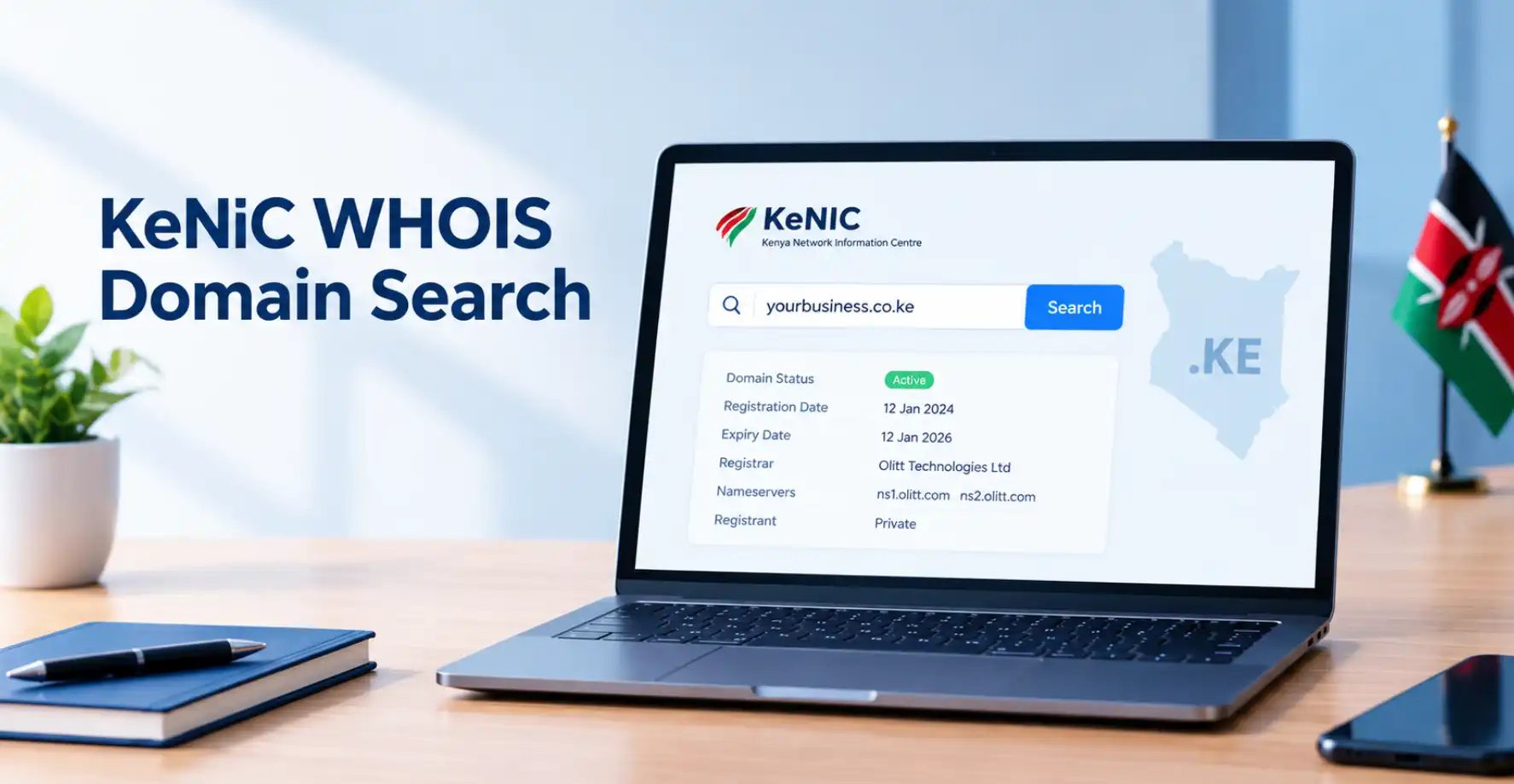
The tool will fetch domain records.
Step 4: Review the Results
Look for:
- Creation date
- Domain age
- Registrar info
That’s it, no signup required.
Best Free Domain Age Checker Tools
You don’t need paid software or technical skills to check how old a website is. Several free tools can give you accurate domain age details in seconds. The best one for you depends on what kind of information you need.
Below are some reliable domain age checker tools you can use right away.
1) DupliChecker Domain Age Checker

If you want fast results with a clean interface, this tool does the job well.
It provides:
- Domain creation date
- Expiry date
- Server and hosting details
It’s ideal for quick checks without extra clutter.
2) WhoisXML API Domain Age Checker
This tool focuses on accuracy and detailed domain data.
You can see:
- Exact domain age
- Registration and expiry dates
- Domain status information
It’s useful if you want precise data without paying.
3) SE Ranking Domain Age Checker
SE Ranking’s checker is especially helpful if you’re analyzing multiple websites.
Key benefits include:
- Bulk domain checks
- Clear age breakdown
- SEO-friendly interface
Perfect for marketers and competitor research.
The Difference Between Domain Age and Website Age
It is a common mistake to think these are the same thing. They are actually quite different.
- Domain Age: The time since the URL (e.g., yourname.com) was first registered.
- Website Age: The time since Google first indexed content on that domain.
A domain could be 15 years old, but if it sat empty with no content for 14 of those years, it won’t have the same SEO “juice” as a 5-year-old site that was active every single day.
Does Domain Age Affect SEO Directly?
This is a common question.
Short answer: No, not directly.
Google has stated that domain age alone is not a ranking factor.
However, indirect benefits make older domains stronger.
Older domains often have:
- Quality backlinks
- Indexed pages
- Search history
So while age isn’t magic, experience matters.
Common Myths About Domain Age
Let’s clear up some confusion.
- Myth: Older domains always rank better.
Fact: No direct boost. Quality matters more. - Myth: New domains can’t rank.
Fact: Many new sites rank fast with good SEO. - Myth: A long registration period helps SEO.
Fact: Google doesn’t care about how many years you pay upfront. - Myth: Buying old domains guarantees success.
Fact: Risky. They might have penalties or bad links.
Focus on building a strong site instead
Conclusion
Domain age matters, but it shouldn’t become your only focus.
A domain age checker works best as a research tool, not a deciding factor on its own. It helps you understand trust signals, SEO potential, and whether a domain is worth buying or building on. Used the right way, it gives you clarity instead of guesses.
Still, domain age can’t replace strong content, a good user experience, or consistent effort. It supports growth, but it doesn’t create it.
If you’re planning to register, transfer, or build on a domain, start with the basics. Check the age, look into the history, and then move forward with confidence.
At Olitt, you can:
- Register a new domain easily
- Launch your website fast
- Build authority over time
In the long run, consistency beats age. Show up, publish quality content, and keep improving; the results will follow.