
You let your domain expire. Your website’s down. Your emails stopped working.
And now you’re staring at a redemption fee that’s 10x your normal renewal cost.
That’s the reality for thousands of domain owners every year.
And it’s completely avoidable.
I’ll tell you this for free, renewing an org domain isn’t complicated. But mess it up, and you’ll pay the price. Literally.
TL;DR: How to Renew a .ORG Domain in 2026
Renew your org domain before it expires to avoid losing your website, email, and brand. Standard org domain renewal costs $10 to $20 per year at most registrars. If you miss the expiration date, you get a 30-day grace period to renew at the normal rate. Miss that, and you enter a 30-day redemption period where recovery costs $80 to $175 plus renewal fees. After 60 days total, your domain gets deleted and anyone can register it.
This is what you should do:
- Log into your domain registrar, find your org domain, click renew, select 1 to 10 years, and pay.
- Enable auto-renewal immediately.
- If already expired, check your status via WHOIS and act within the grace period.
What Is .ORG Domain Renewal and Why It Matters
Administered by the Public Interest Registry, a nonprofit subsidiary of the Internet Society, the org domain extension has been the go-to choice for nonprofits, charities, and mission-driven organizations since 1985.
When you register any domain name, you’re essentially renting it for a specific period, typically one to ten years.
Domain renewal is the process of extending that rental period so you maintain control over your org domain name.
Here’s what happens when you don’t renew:
- Your website goes offline. Visitors see error messages instead of your content.
- Your email stops working. Every address at yourdomain.org becomes useless.
- Your brand becomes vulnerable. Domain brokers monitor expiring domains and will snap up valuable names the moment they become available.
- You lose search rankings. Google drops dead domains from search results fast.
The org domain renewal process isn’t optional. It’s the lifeline that keeps your entire online presence alive.
How Much Does It Cost to Renew an .ORG Domain?
Standard renewal costs range from $10 to $20 per year for most org domains, though pricing varies significantly by registrar.
Here’s what you’ll actually pay at major domain registrars:
Budget Registrars:
- Dynadot: $10.53 renewal
- Namecheap: $6 to $15 range (plus $0.20 ICANN fee)
Mid-Tier Registrars:
- GoDaddy: $19.99 renewal
- Bluehost: Similar pricing with hosting bundle discounts
Premium Options:
- Squarespace: $25 per year
- Network Solutions: Higher rates but extended renewal options
The Cost Breakdown:
Base renewal fee + ICANN fee (approximately $0.18 to $0.20) = Total annual cost
Most registrars also offer multi-year discounts. Registering for periods from 1 to 10 years often provides cost savings and reduces the risk of accidentally losing your domain.
Hidden Costs to Watch:
WHOIS privacy protection (some registrars charge extra, others include it free)
Domain transfer fees if switching registrars ($8 to $15, usually includes one year renewal)
Auto-renewal failure fees (none, but you lose the domain if payment methods fail)
The org domain renewal price is straightforward. What kills you is the redemption fee if you’re late.
The .ORG Domain Grace Period

ORG domains feature a 30-day Renewal Grace Period beginning as of the domain expiration date, during which the domain can be renewed through the normal renewal process without penalty.
Think of this as your mulligan. You forgot to renew. You missed the deadline.
But you are not screwed yet.
Here’s exactly what happens:
Day 0 (Expiration Date): Your domain technically expires but nothing breaks yet.
Days 1 through 30 (Grace Period): Your website and email continue working. You can log into your registrar and renew at the standard rate. No extra fees. No penalties. Just pay the normal renewal cost and you’re back in business.
Important Details About the Grace Period:
- Your domain remains in your control during this time
- DNS settings stay active (though some registrars may park your domain)
- You can still transfer the domain to another registrar
- No redemption fees apply if you renew during this window
Some registrars extend the grace period to 34 or even 45 days, but don’t count on it.
For org domains, the standard is 30 days grace followed by 40 days redemption at most registrars.
Pro Tip: The grace period isn’t permission to be lazy. It’s a backup plan. If you’re relying on it regularly, you’re playing Russian roulette with your domain.
The Redemption Period (This Is Where Things Get Expensive?)
Miss the grace period and you enter the org domain redemption phase. This is where renewal gets painful.
The domain redemption period typically lasts approximately 30 days after the initial grace period ends, and the domain is not functional during this time.
What Happens During Redemption:
- Your website goes offline completely
- Email stops working immediately
- The domain is suspended at the registry level
- Your registrar can still recover it, but it costs significantly more
The Real Cost of .ORG Redemption:
Standard redemption fees range from $80 to $175 depending on your registrar.
And that’s on top of your normal renewal fee.
Some registrars charge $80 for redemption, while others like Hover charge $175 plus renewal cost.
Let’s do the math:
- Normal renewal: $15
- Redemption scenario: $150 redemption fee + $15 renewal = $165 total
- You just paid 11x more because you waited too long.
The Redemption Process:
- Log into your domain registrar account
- Contact support immediately (most registrars require manual intervention)
- Submit a redemption request
- Pay the redemption fee plus renewal cost
- Wait for the registry to process (can take several days)
After Redemption Ends:
If you don’t act within the 30-day redemption period, your domain enters “pending delete” status for 5 days. During this time, absolutely nothing can be done. No recovery. No redemption. The domain is locked.
After pending delete, the domain gets released back to the public. Anyone can register it.
Domain brokers and competitors will be watching.
How to Renew Your .ORG Domain (Step-by-Step)
The actual renewal process takes about two minutes if you know where to look. Here’s exactly how to renew org domain registration at major providers:
Universal Process (Works for Most Registrars):
Step 1: Log into your domain registrar account where you originally purchased the domain. Can’t remember your registrar? Conduct a WHOIS search to determine your current registrar of record.
Step 2: Navigate to your domain management dashboard (usually labeled “Domains,” “My Domains,” or “Domain Portfolio”).
Step 3: Locate your org domain in the list of registered domains. Look for the expiration date.
Step 4: Click the “Renew” or “Renew Domain” button next to your org domain name.
Step 5: Select your renewal period. You can typically choose 1 to 10 years. Longer periods often come with slight discounts and protect you from future price increases.
Step 6: Review the renewal summary, including total cost and new expiration date.
Step 7: Enter payment information or use your saved payment method.
Step 8: Complete the transaction. You’ll receive a confirmation email immediately.
Step 9 (Critical): Enable auto-renewal to prevent this situation from happening again.
Registrar-Specific Instructions:
GoDaddy: Sign in, go to Domain Portfolio, select your domain, click Renew, choose duration, and checkout.
Namecheap: Dashboard > Domain List > Select domain > Renew Domain > Select years > Pay.
Dynadot: Account Manager > Domains > Select domain > Renew button > Choose term > Complete purchase.
Bluehost: Control panel > Domains > Renewal Center > Select domain > Renew Now.
The process is nearly identical everywhere. If you can’t find the renewal button, use the search function in your account or contact support.
Can’t Access Your Registrar Account?
Use the password recovery option on your registrar’s login page. If that fails, contact customer support with proof of ownership (purchase receipts, WHOIS admin contact info matching your identity).
How to Check Your .ORG Domain Expiration Date
Not sure when your domain expires? Here are three ways to find out:
Method 1: Check Your Registrar Dashboard
Log into your domain registrar account. The expiration date appears next to each domain in your portfolio. This is the fastest method if you remember where you registered.
Method 2: WHOIS Lookup
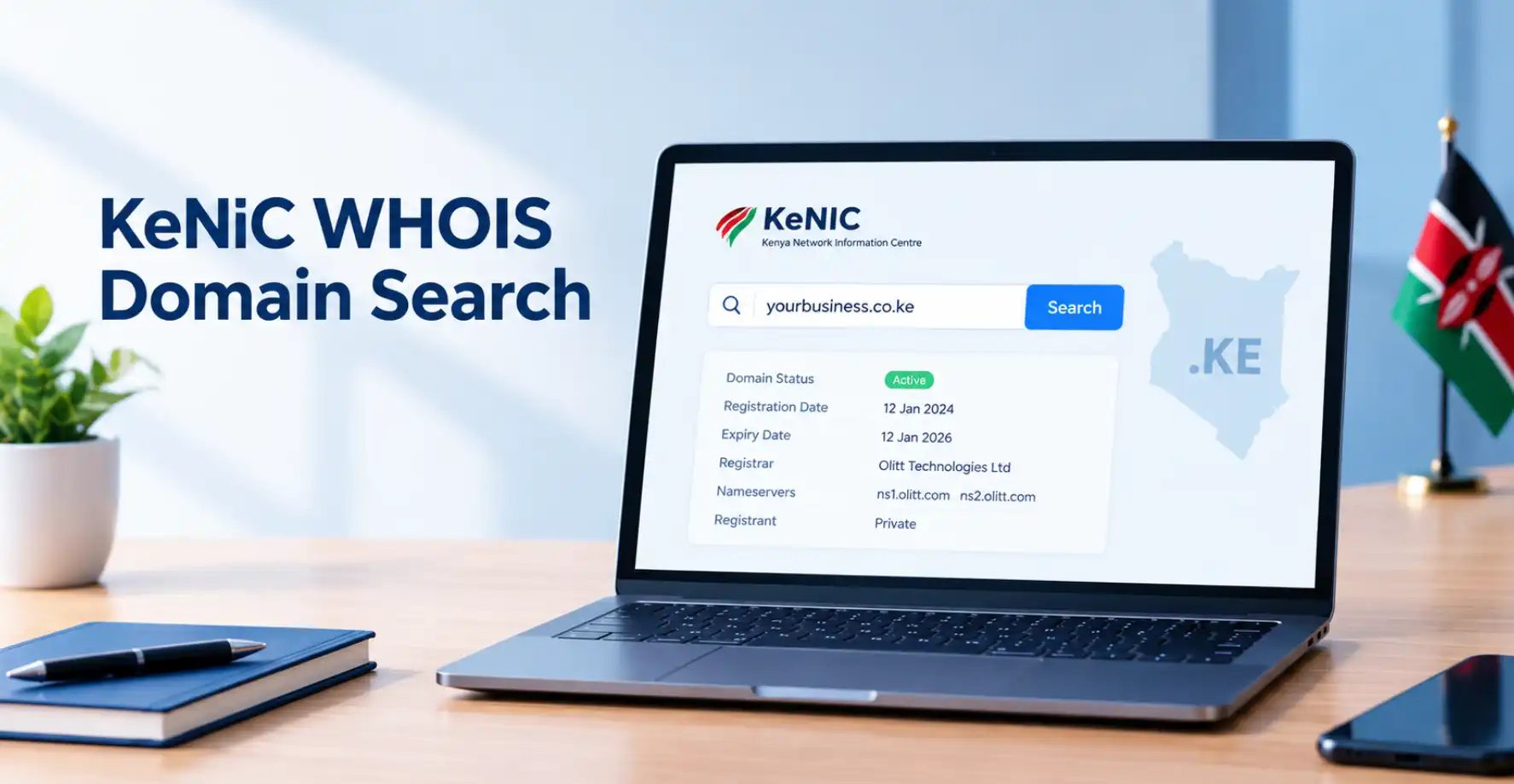
Go to any WHOIS lookup tool (ICANN offers one at whois.icann.org). Enter your org domain name. Look for “Registry Expiry Date” or “Expiration Date” in the results. This is public information for most domains.
Method 3: Email Records
Search your inbox for emails from your registrar. They typically send renewal reminders 90, 60, 30, and 7 days before expiration, plus follow-ups after expiration.
What the Expiration Date Actually Means:
The date shown is the last day your registration is active.
At 11:59 PM on that date, your domain enters the grace period. Your services may continue working, but you’re no longer in full control.
Set calendar reminders for 60 days, 30 days, and 7 days before your expiration date.
Don’t rely solely on registrar emails.
Payment method changes, spam filters, and email migrations can cause you to miss critical notifications.
.ORG Domain Auto-Renewal

Most registrars offer auto-renewal options for domain name registrations that automatically extend your domain each year.
This is the single most effective way to avoid domain expiration disasters.
How Auto-Renewal Works:
You enable the feature in your registrar settings. When your domain approaches expiration (usually 30 days before), the registrar automatically charges your payment method on file and extends the registration for another term.
The Benefits:
- Never worry about forgetting renewal dates
- Maintain continuous service without interruptions
- Protect against domain loss while traveling or during busy periods
- Prevent competitors or squatters from grabbing your expired domain
The Risks (and How to Manage Them):
Outdated payment methods cause auto-renewal to fail.
Solution: Update credit card info proactively, especially before expiration dates.
Price increases surprise you with higher charges.
Solution: Set price alerts or review registrar pricing annually.
You forget about domains you no longer need and keep paying.
Solution: Audit your domain portfolio quarterly.
Setting Up Auto-Renewal:
- Log into your registrar account
- Go to domain settings for your org domain
- Find “Auto-Renewal” or “Automatic Renewal” toggle
- Enable it
- Verify your payment method is current
- Confirm you receive email notifications about auto-renewal charges
Important: Auto-renewal doesn’t work if your account has insufficient funds, your credit card expires, or your account gets suspended. Keep payment information up to date to ensure successful auto-renewal.
What Happens If You Don’t Renew Your .ORG Domain
Let’s play the tape forward. You ignore the renewal. What actually happens?
The Timeline of Domain Death:
Expiration Day: Domain technically expires but may still function.
Days 1-30 (Grace Period): Services work, renewal available at standard rates.
Days 31-60 (Redemption): Website and email offline, expensive recovery required.
Days 61-65 (Pending Delete): Complete lockout, no recovery possible.
Day 66+: Domain released to public, available for anyone to register.
The Real Consequences:
Lost Revenue: Every day your website is down, you lose donations, membership signups, or sales.
Damaged Reputation: Visitors see error messages and question your professionalism.
Email Chaos: Communications with donors, members, and partners completely stop.
SEO Catastrophe: Search engines drop dead domains quickly. Rebuilding rankings takes months or years.
Brand Hijacking: Domain squatters specifically target expired nonprofit domains, knowing you’ll pay premium prices to get them back.
Data Loss Risk: If someone else registers your expired domain, they can potentially access emails sent to your old addresses.
The Recovery Options:
If someone else registers your expired org domain name, you have limited options:
Contact the new owner and negotiate a buyback (expect to pay $500 to $50,000+ depending on domain value)
File a UDRP complaint through ICANN if you have trademark rights (costs $1,500+ and takes months)
Accept the loss and rebrand with a new domain (expensive and time-consuming)
None of these options are good. All are preventable.
How to Transfer and Renew Your .ORG Domain
Sometimes the best renewal strategy is switching to a better registrar with lower prices or better service.

When to Consider Transferring:
- Your current registrar has high org domain renewal prices
- Poor customer service or unreliable uptime
- Better features available elsewhere (free WHOIS privacy, better DNS management)
- Bulk discount opportunities at another registrar
The Transfer Process:
You have the right to transfer an expired domain, and registrars are not allowed to deny a transfer due to expiration unless you haven’t paid for a previous registration period.
Step 1: Unlock your domain at your current registrar (domain settings usually have a “registrar lock” toggle).
Step 2: Obtain your EPP authorization code (also called transfer code or auth code) from your current registrar.
Step 3: Ensure your domain is at least 60 days old and not within 60 days of a previous transfer.
Step 4: Verify the administrative contact email in WHOIS is accessible (you’ll need to approve the transfer via email).
Step 5: Initiate the transfer at your new registrar by providing your domain name and auth code.
Step 6: Approve the transfer via the authorization email sent to your admin contact.
Step 7: Wait 5 to 7 days for the transfer to complete.
Transfer Costs and Benefits:
Transferring a domain usually costs $8 to $15 and typically includes a one-year renewal. This means you’re essentially getting a discounted renewal by switching registrars.
Critical Transfer Timing:
If your domain is already in redemption status, it must be restored by your current registrar before it can be transferred, which may result in an additional redemption fee.
Don’t wait until the last minute to transfer. Start the process at least 2 weeks before expiration.
Domain Registrar Comparison for .ORG Renewal
Not all registrars treat org domain renewal equally. Here’s what matters:
Pricing Comparison (Annual Renewal):
- Budget tier: $6.99 to $10.53
- Standard tier: $10 to $20
- Premium tier: $20 to $25
The cheapest isn’t always best. Factor in support quality, DNS performance, and feature sets.
Features That Matter:
- Free WHOIS privacy protection (protects your personal information from public databases)
- DNS management quality (faster propagation, better uptime)
- Customer support responsiveness (critical during redemption emergencies)
- Bulk renewal discounts for multiple domains
- Account security features (two-factor authentication, security alerts)
Red Flags to Avoid:
- Registrars that make it difficult to obtain auth codes for transfers
- Hidden fees during checkout
- Poor reviews regarding domain recovery and support
- Aggressive upselling of unnecessary services
- Unclear redemption policies
Top Choices for Nonprofits:
- Namecheap (competitive pricing, nonprofit discounts available)
- Google Domains (simple interface, integrated with Google Workspace)
- Hover (straightforward pricing, no upsells)
- Cloudflare (at-cost pricing for domains, excellent security)
Final Thoughts
Public Interest Registry manages over 11 million org domain names worldwide, making org one of the most recognized and trusted domain extensions for nonprofits and mission-driven organizations.
Don’t let yours become a statistic in domain loss horror stories.
Renewal costs $10 to $20 per year. Redemption costs $150+. Complete loss costs you your entire online presence, your brand, your audience, and years of built-up credibility.
The math isn’t complicated.
Log into your registrar. Check your expiration date. Enable auto-renewal. Set reminders.
Don’t wait until your domain is in redemption to care about it.
Your org domain is the foundation of everything you do online. Treat it that way.
Read also: