
You are ready to build a website.
Maybe it is for your business. Maybe a blog. Maybe something personal you care about.
Then confusion hits.
People keep saying you need a domain name, you need hosting, so you are left confused about what they mean, where to get them, and how to use them.
You are unsure what to do first. Many beginners get stuck not knowing difference between domain name. Some even give up before their website goes live.
This confusion costs real money and real opportunities. Websites stay offline. Customers cannot find you. Ideas never get a chance to grow.
Knowing the difference between a domain name and hosting fixes this problem fast.
Once it clicks, everything feels lighter. You know what to buy, why you need it, and how both parts work together to put your website online.
In this guide, you will learn:
- What a domain name is in simple words
- What web hosting actually does
- Why you need both to run a website
- How to choose the right option without stress
What Is a Domain Name?
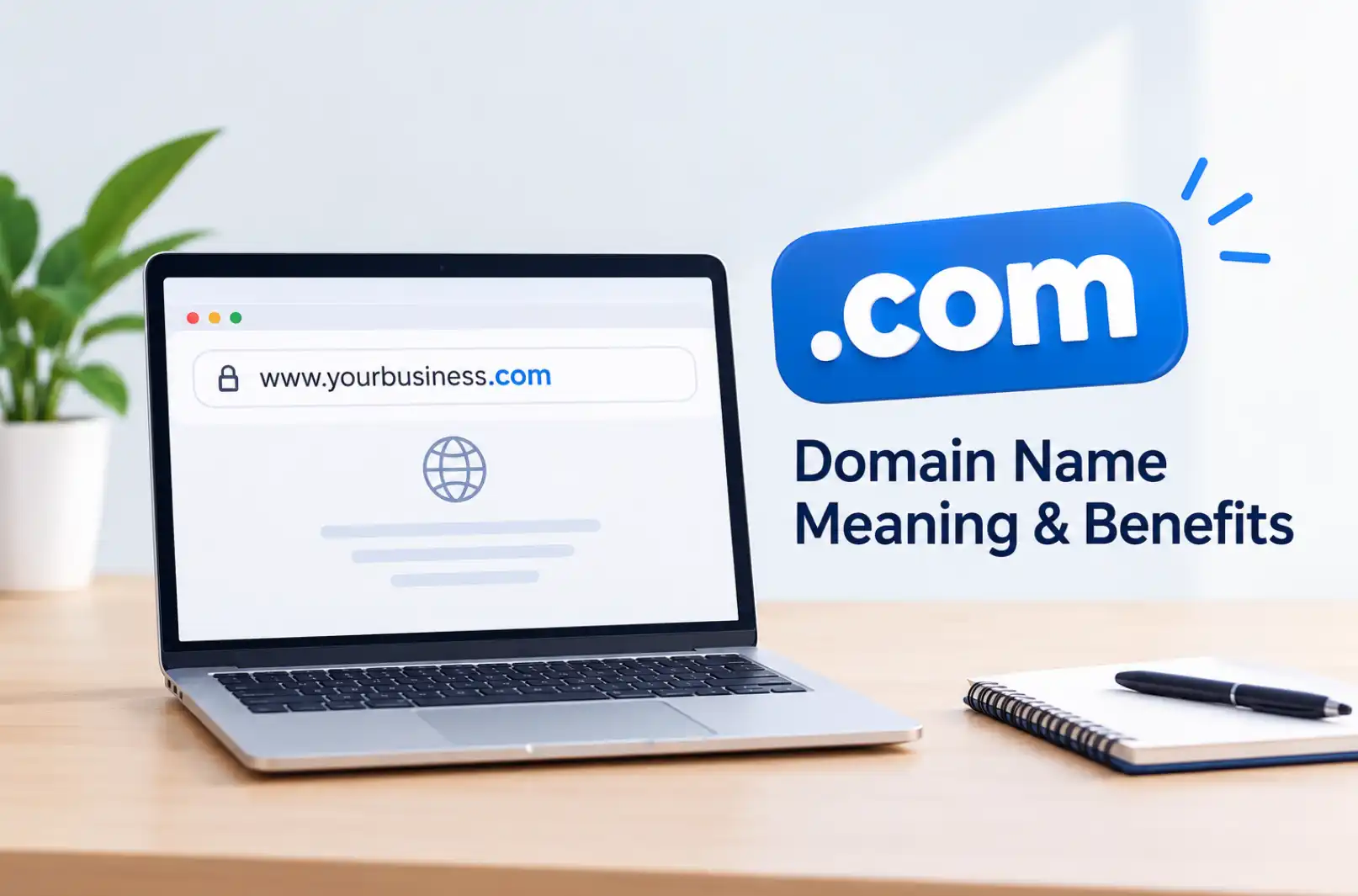
A domain name is your website’s address.
It is what people type into a browser to find you, like yourwebsite.com. Without it, your website has no clear place on the internet.
People do not remember long numbers or codes. They remember names.
A domain name turns your website into something easy to find and easy to share.
If someone wants to visit your site and cannot remember the name, they will not come back. That is why your domain name matters.
Why a Domain Name Is Important
Your domain name helps people:
- Find your website quickly
- Remember your brand
- Trust your website
Websites with clear, simple names feel more real. They feel safer to visit. This is why most businesses protect their domain names early.
A good domain name also helps your website show up in search results. Short names are easier for search engines and users.
Parts of a Domain Name
A domain name has three main parts.
Example: www.mysmallshop.com
- www
This part is optional. It points to the web version of your site. - mysmallshop
This is the name you choose. It should match your business or idea. - .com
This is the ending. It shows the type of website.
The middle part is the most important. That is your identity online.
Short names work best. People type them faster and remember them longer.
Checking Domain Availability
Before you register a domain, you need to make sure it is available. Someone else might have already taken your perfect name.

How to Check on Olitt
- Use Olitt’s search tool
Go to Olitt’s domain search page and type your desired name. If it is available, you can register it immediately. - Explore alternatives
If your first choice is taken, Olitt suggests similar names automatically. You can try small changes, like adding a word (freshbakes → bakefreshly) or using numbers sparingly (freshbakes2025.com).
Quick Tips
- Keep it under 15 characters. Short domains are easier to type and remember.
- Stick with simple spelling to avoid confusion.
- Check multiple extensions (.com, .net, .org) on Olitt to protect your brand.
Using Olitt to check availability saves time and ensures you can grab your ideal domain before someone else does.
How to Register a Domain Name
Registering a domain name is simple and fast. You do not need technical skills.
Here is how it works:
- Choose a name that matches your idea or business
- Search for the name on a domain website
- If it is available, pay and register it
The whole process takes only a few minutes.
Once registered, the domain name is yours as long as you renew it each year.
Where Domain Names Come From
Domain names are sold by companies called domain registrars.
These companies are approved by a global organization called ICANN. ICANN makes sure domain names are fair, secure, and not duplicated.
You do not buy a domain name forever. You rent it yearly. Most domains cost between $10 and $15 per year.
Tips for Choosing a Good Domain Name
A good domain name should be:
- Short and easy to spell
- Easy to say out loud
- Close to your brand name
Avoid long names and confusing spellings. If people have to ask how to spell it, they will forget it.
If your first choice is taken, try small changes. Add a word or switch the order, but keep it clean.
Domain Extensions and Pricing
A domain extension is the ending of your domain name.
It comes after the dot.
Examples:
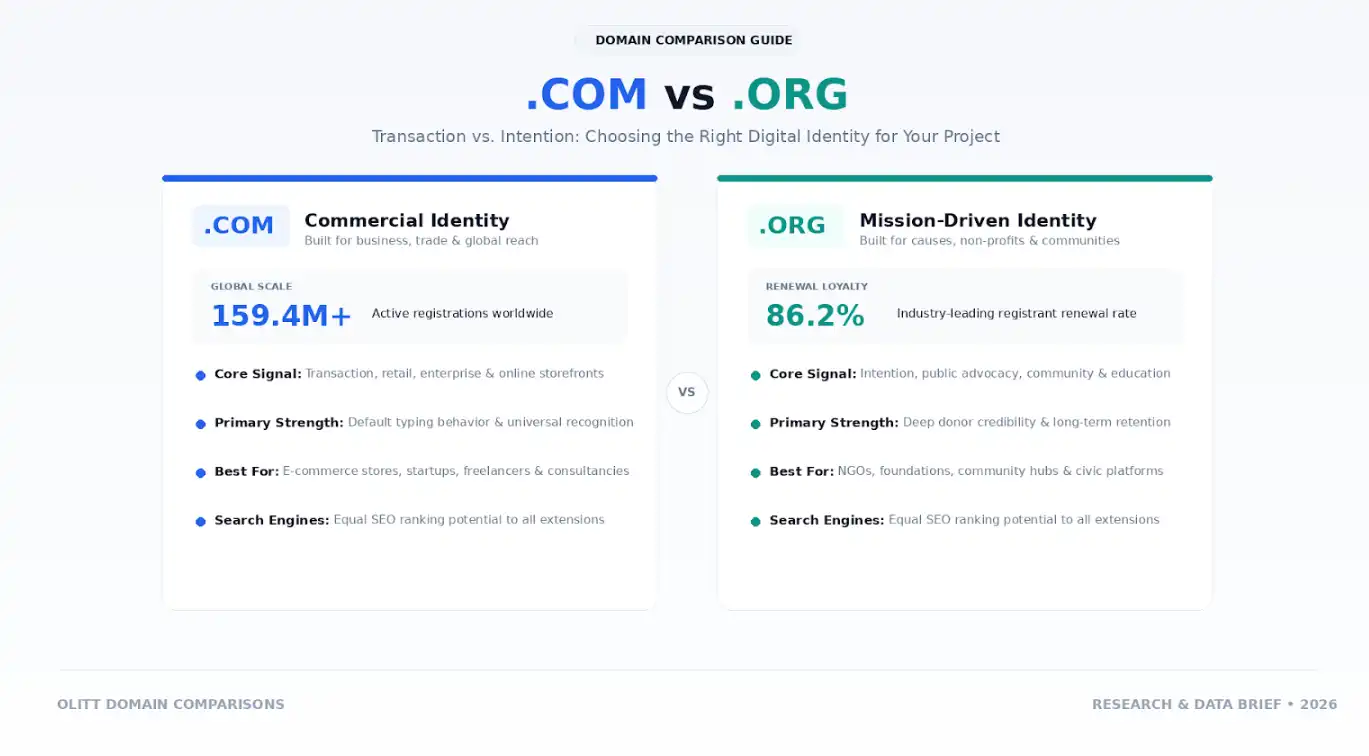
- .com
- .net
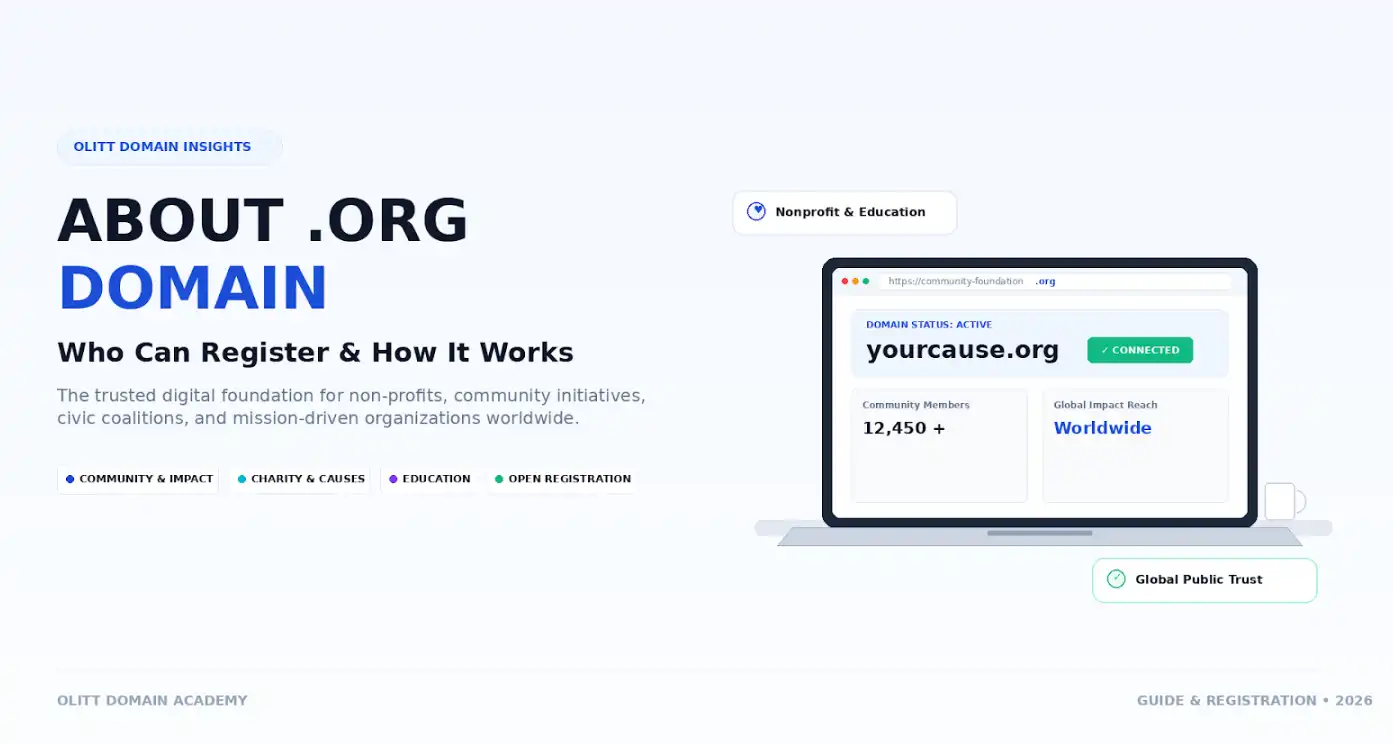
- .org
The extension helps people understand what your website is about.
Common Domain Extensions
Some extensions are used more than others. People trust the ones they see often.
| Extension | Best For | Yearly Cost |
| .com | Businesses and blogs | $10–$15 |
| .net | Tech and online services | $12–$18 |
| .org | Groups and charities | $8–$14 |
.com is the most popular. Most people type it without thinking. If it is available, it is usually the best choice.
New Domain Extensions
You may also see newer endings like:
- .shop
- .online
- .site
These can work, but some visitors may not trust them right away. If your goal is credibility, stick with what people already know.
Premium Domain Names
Some domain names cost more. These are called premium domains.
They are usually:
- Very short
- Easy to remember
- Based on popular words
These can cost hundreds or even thousands of dollars. For beginners, a regular domain works just fine.
What Is Web Hosting?
Web hosting is where your website lives.
Your domain name is the address.
Web hosting is the place that holds your website files.
These files include:
- Text
- Images
- Videos
- Pages
When someone visits your domain name, the hosting server sends these files to their screen. That is how a website shows up.
Without web hosting, your domain name leads to nothing. Visitors see a blank page or an error message, and they leave.
Why Web Hosting Is Important
A good hosting service keeps your website:
- Online all the time
- Fast to load
- Safe from attacks
People do not wait for slow websites. If a page takes too long, they close it. That means lost visitors and lost trust.
Hosting also protects your site. It saves backups and blocks harmful traffic, so your work does not disappear.
In short, hosting keeps your website running while you focus on your content or business.
What Web Hosting Provides
Web hosting gives you more than just storage. It is like renting a ready-to-use house instead of building from scratch.
Here are the main things hosting provides:
- Storage
Space to keep all your website files, images, and videos. Some plans offer unlimited storage. - Speed
Fast servers make your pages load quickly. Slow sites lose visitors over 40% leave if a page takes more than 3 seconds. - Security
Hosting includes SSL certificates, firewalls, and backups. This protects your site from hackers and accidents. - Uptime
Most hosts promise 99.9% uptime. That means your website is almost always online. Downtime costs money and trust.
A good hosting service handles the technical parts so you can focus on your content, design, or business without stress.
Types of Web Hosting
Not all hosting is the same. Different types fit different websites. Choosing the right one makes your life easier.
| Hosting Type | Best For | Average Monthly Cost |
| Shared | Small websites or blogs | $2–$20 |
| VPS | Growing websites | $20–$100 |
| Dedicated | Large businesses or high-traffic sites | $80+ |
Quick Explanation
- Shared Hosting
Your site shares a server with others. Affordable, simple, and good for beginners. - VPS Hosting
A virtual private server gives more power and control. Ideal when your site starts getting more visitors. - Dedicated Hosting
You get an entire server for your website. Fast and secure, but expensive.
Most beginners start with shared hosting. You can upgrade later as your website grows.
Many hosting plans also include a free domain, which makes setup easier.
Domain Name vs Hosting: The Real Difference
This is the heart of the matter. Many beginners confuse these two, but they do very different jobs.
| Feature | Domain Name | Web Hosting |
| Purpose | Website address (e.g., yoursite.com) | Stores and delivers your website files |
| Cost | Yearly ($10–$50) | Monthly or yearly ($2–$300) |
| Without It | People cannot find your site | Your site shows nothing online |
In Simple Words
- Domain name = the street address
- Hosting = the house that holds everything inside
You need both to have a live, functioning website.
For example: Sarah starts a bakery website. She buys sarahsweets.com (domain) and pairs it with shared hosting.
When people type the domain, they see her site instantly.
Mix them up, and your website stays invisible.
How Domain Names and Hosting Work Together
Domain names and hosting work as a team. One tells people where to go, the other shows them what to see.
When someone types your domain into a browser, the DNS (Domain Name System) connects the domain to your hosting server.
The server then delivers your website files to the visitor’s screen.
What Happens If One Is Missing
- Domain without hosting: Visitors see nothing or an error page. Your site feels invisible.
- Hosting without domain: People can access it only through numbers called IP addresses. Hard to remember and share.
Together, they make your website real and accessible. Your domain points the way, and your hosting shows your content.
Quick Setup Steps
- Register your domain
- Log into your registrar account
- Point the domain to your hosting nameservers
- Upload your website files to the host
- Wait 24–48 hours for the connection to fully work
Once done, typing your domain brings your website to life.
Common Misconceptions About Domain and Hosting
Many beginners get confused about how domains and hosting work. Let’s clear up the most common myths:
- “Hosting automatically includes a domain.”
Sometimes it does, but not always. Buying hosting does not mean you own a domain. - “A domain stores my website.”
Wrong. A domain only points to your website. Your files live on a hosting server. - “Switching hosting or domains is hard.”
Not with a reliable provider. Transfers usually take a few days and do not affect your site’s availability.
Knowing the truth about these myths saves time, money, and frustration. Many beginners waste weeks learning what they could have understood in minutes.
How to Choose the Right Domain and Hosting
Picking the right domain and hosting doesn’t have to be confusing. Follow these simple steps:
- Pick a short, clear domain name
Make it easy to spell, easy to remember, and close to your brand. - Choose the right extension
.com is the most trusted. Newer endings like .shop or .online are okay but may feel less familiar. - Start with the right hosting
Beginners usually do well with shared hosting. Upgrade later as traffic grows. - Check support and uptime
Make sure the host offers 24/7 support and guarantees at least 99.9% uptime. - Bundle when possible
Many hosts include a free domain when you buy hosting. This keeps setup simple and avoids extra steps. - Set a budget
Domain names cost $10–$15 per year. Hosting can start at $2–$20 per month. Plan accordingly.
By following these steps, you avoid mistakes, save money, and get your website live faster.
Where to Buy Domain and Hosting
Buying your domain and hosting from one provider is easier and faster. You avoid extra steps and potential mistakes.
Benefits of a Single Provider
- No DNS setup confusion
- Free domain with hosting on many plans
- Easy support for any issues
We make this simple at Olitt. Our dashboard is beginner-friendly, our hosting is reliable with 99.9% uptime, and migrating from other hosts is completely stress-free.
You get everything in one place without extra fees or middlemen. Your website goes live faster, and you can focus on your content or business.
Conclusion
Now you know the key difference:
- Domain name = your website’s address
- Hosting = the house where your website lives
Separately, they are half a website. Together, they make your site real and accessible.
Knowing this gives you control. You stop guessing, avoid mistakes, and save money. You can launch your website with confidence, connect with visitors, and grow your idea online.
The web is expanding fast. By securing your domain and hosting now, you claim your space before someone else does.
Your website will be findable, fast, and professional. You are ready to turn your idea into reality.